



























Inflammation is a normal part of the body’s response to injury or infection. Problems arise when inflammatory activity continues for longer than it should or appears alongside an underlying health condition.
People often associate inflammation with fatigue, digestive discomfort, skin changes, disturbed sleep or joint stiffness. However, these symptoms can have many causes. They should not be used to diagnose inflammation without medical assessment.
Ayurveda offers a traditional framework for thinking about food, digestion, sleep, stress and daily routine. It does not provide one universal “anti-inflammatory” plan. The appropriate approach depends on the individual, their health history and the cause of their symptoms.
How Ayurveda frames inflammation
Ayurveda does not use inflammation as one single diagnostic category.
A practitioner may instead assess the person’s digestion, appetite, bowel habits, sleep, energy, environment and current symptoms. The concepts of agni, āma and doṣa may help organise this assessment.
Agni refers to digestive and metabolic capacity.
Āma is a traditional Ayurvedic concept used to describe material that has not been properly processed by the body.
The three doṣas — Vata, Pitta and Kapha — are functional principles used in Ayurvedic assessment. A practitioner may consider whether qualities such as heat, heaviness, dryness, irregularity or stagnation are prominent.
These concepts should not be treated as direct equivalents of modern biomarkers or biomedical diagnoses. Ayurveda and modern medicine use different explanatory systems.
Food: begin with regularity
Ayurvedic food guidance is often highly individual. Still, one broad principle appears consistently: meals should be suited to the person’s digestion, appetite, season and daily routine.
For many people, the first step is not adding herbs or following a complicated eating plan. It is bringing greater regularity to meals.
This may involve:
- eating at reasonably consistent times;
- choosing freshly prepared food when possible;
- avoiding very heavy meals late at night;
- noticing which foods repeatedly cause discomfort;
- adjusting portions according to appetite;
- allowing enough time to digest one meal before the next.
The aim is not perfection. It is to make eating more predictable and easier to observe.
There is no universal anti-inflammatory plate
Foods such as vegetables, pulses, grains and spices are often described as anti-inflammatory. That language can be too broad.
A food that suits one person may not suit another. Digestive tolerance, allergies, medication use, medical conditions and cultural eating patterns all matter.
Ayurveda also considers the qualities of food.
A meal may be:
- light or heavy;
- warming or cooling;
- dry or oily;
- soft or dense;
- freshly prepared or stored.
The important question is not whether one ingredient is universally beneficial. It is whether the whole meal is appropriate for the person eating it.
The role of spices
Turmeric, cumin, coriander, fennel, ginger and black pepper are commonly used in Ayurvedic and Indian cooking.
They should be understood as ingredients within a meal, not as standalone treatments.
The amount and combination matter. A spice that feels comfortable for one person may be too strong for another. More is not always better.
Using familiar culinary amounts in food is different from taking concentrated extracts or supplements. Anyone considering herbal products should first discuss them with a qualified practitioner, particularly if they take medication or have a diagnosed condition.
Sleep and the daily rhythm
Poor sleep can affect mood, appetite, concentration and energy.
Ayurveda places strong emphasis on dinacaryā, or daily routine. A consistent rhythm can help make sleep and waking patterns more stable.
A practical evening routine may include:
- eating dinner at a regular time;
- allowing a gap between dinner and sleep;
- lowering stimulation later in the evening;
- keeping the bedroom quiet and dark;
- following a similar bedtime on most days;
- reducing work activity close to sleep.
These steps are not treatments for insomnia or inflammatory disease. They are general habits that may support a steadier routine.
Persistent sleep problems should be discussed with a healthcare professional.
Stress is part of the wider picture
Stress may affect sleep, appetite, digestion and daily habits.
Ayurveda does not view stress as a single isolated issue. A practitioner may ask how long the problem has been present, what has changed in the person’s life and whether the symptoms vary with food, travel, work or sleep.
Gentle practices may be included as part of a broader routine, such as:
- walking;
- light stretching;
- breathing exercises;
- guided relaxation;
- time outdoors;
- reduced screen exposure;
- regular pauses during work.
These practices should not be presented as cures. Their value lies in helping create structure and reducing unnecessary strain.
Movement should match the individual
Exercise is important, but intensity should be appropriate to the person’s health and energy.
Someone who is exhausted, recovering from illness or experiencing pain may need a different approach from someone who is active and symptom-free.
Ayurveda often favours consistency over extremes.
Gentle walking, mobility work or restorative yoga may be suitable for some people. Others may require medical or physiotherapy guidance before beginning a new routine.
The goal is not to follow a fixed online plan. It is to choose movement that can be done safely and repeated regularly.
When home routines are not enough
General lifestyle changes have limits.
Fatigue, bloating, skin changes, pain, poor sleep and reduced concentration may have many causes. They can also appear alongside anaemia, thyroid disorders, autoimmune conditions, infection, medication effects, mental-health concerns or other medical problems.
Professional assessment is important when symptoms are:
- persistent;
- severe;
- getting worse;
- affecting daily function;
- accompanied by unexplained weight change;
- associated with fever, bleeding or marked pain;
- present alongside a known medical condition.
Ayurvedic care should complement appropriate medical investigation rather than delay it.
What physician-led Ayurvedic care may involve
At a physician-led Ayurvedic centre, the process should begin with assessment.
The practitioner may review:
- medical history;
- current medication;
- digestive patterns;
- sleep;
- appetite;
- daily routine;
- constitution;
- current symptoms;
- suitability for therapies.
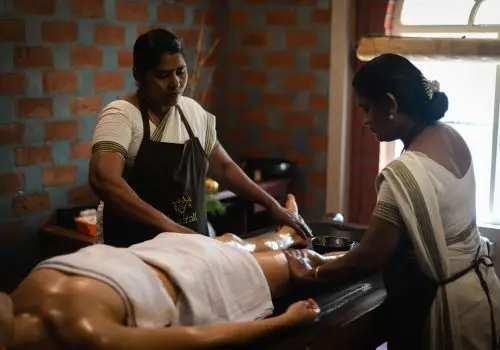
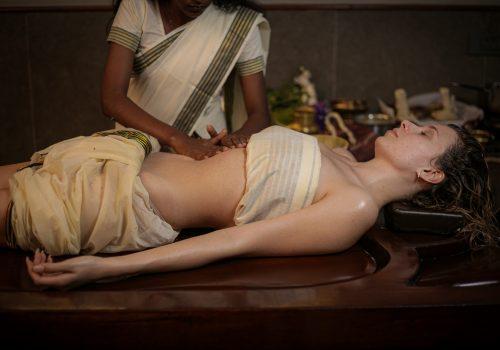
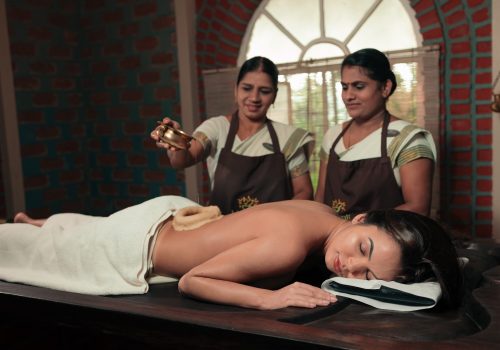
The plan may include food, rest, yoga, breathing practices, supervised treatments or follow-up guidance.
Not every person requires Panchakarma. Not every symptom calls for purification or cleansing procedures. A responsible practitioner decides what is appropriate and what should be avoided.
Panchakarma is not a general home routine
Panchakarma refers to a structured group of supervised Ayurvedic procedures.
It should not be reduced to a general detox package or attempted through online instructions. The sequence and duration depend on the person’s age, strength, medical history and clinical needs.
Procedures such as basti or virecana require practitioner assessment and supervision.
The same applies to herbs. The choice of formulation and dose depends on the individual and may be affected by medication use, pregnancy, allergies and diagnosed conditions.
Kairali’s approach in Palakkad
Kairali, The Ayurvedic Healing Village is an NABH-accredited Ayurvedic hospital in Palakkad, Kerala.
Its programmes are physician-led and individually planned. Food, rest, yoga and selected therapies may be included according to the person’s assessment and suitability.
The purpose of a supervised stay is not to guarantee that inflammation will be reduced or symptoms will disappear. It is to provide a structured setting in which the physician can review the individual, observe their response and adjust the programme where needed.
This is different from following a generic home protocol.
A more realistic starting point
There is no single diet, bedtime or breathing practice that suits everyone.
A useful starting point is to observe patterns:
- Which meals feel comfortable?
- Does eating late affect sleep?
- Are symptoms worse after irregular days?
- Does stress change appetite or digestion?
- Is the routine realistic enough to continue?
These questions can make a consultation more productive. They can also help people identify which habits are stable and which may need review.
Routine matters more than perfection
Food, sleep and stress management are not quick fixes.
They are parts of a wider pattern of care. Small, consistent changes are usually more practical than rigid 28-day plans or aggressive resets.
Ayurveda can offer a useful language for examining that pattern. Its value lies in individual assessment, careful observation and routines that match the person’s needs.
It should not replace diagnosis, prescribed treatment or medical care.
The most responsible approach is often the simplest: eat regularly, sleep consistently, move appropriately, reduce avoidable strain and seek professional guidance when symptoms persist.
Website: www.ktahv.com
Call: +91-9555156156