





Kerala Ayurveda for Solo Women—The Only Seasonal Planner You Need

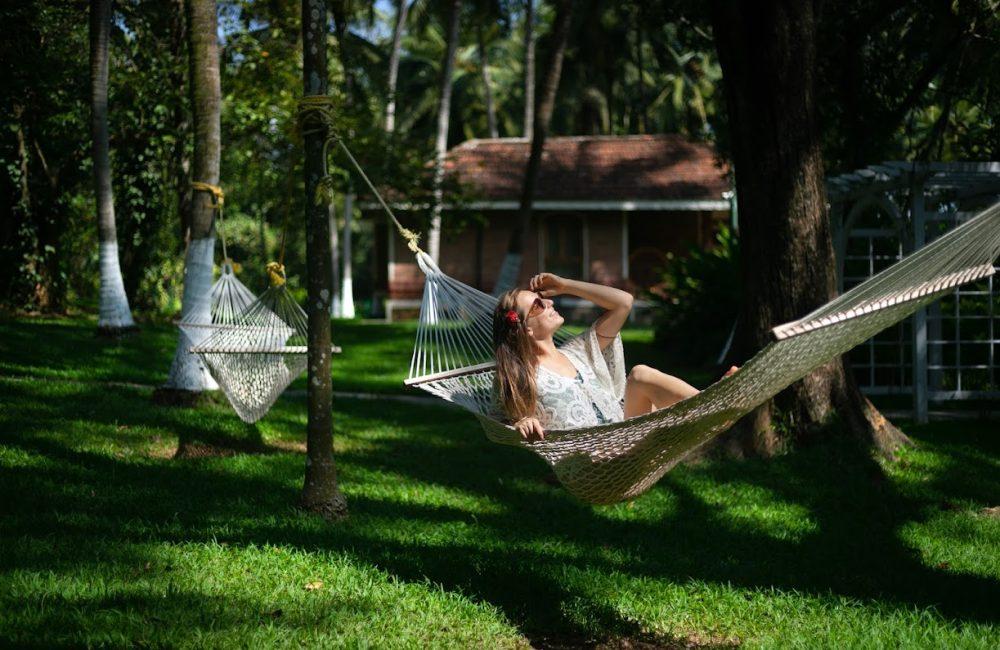
Solo female traveler relaxing on a hammock beneath palm trees at Kairali – The Ayurvedic Healing Village, Kerala, India.
0 Shares

Planning an Ayurveda getaway to Kerala as a solo woman can feel exciting—and a little overwhelming. You want the best ayurvedic retreat in Kerala, the right climate for authentic therapies, and a setting that feels safe, respectful, and restorative. This guide gives you a clear, season‑by‑season answer to the question, “What’s the best time to visit Kerala for an Ayurveda retreat for women?” We’ll compare monsoon, winter, and summer for therapy outcomes, comfort, crowd levels, and value—so you can confidently plan a women’s Ayurveda retreat booking in Kerala, India that matches your goals, timeline, and budget. Whether you’re seeking a quiet women‑only Ayurveda retreat in India that balances treatments with light sightseeing, you’ll find practical tips, packing notes, and booking cues tailored to solo female travelers.

Why timing matters more for Ayurveda than a regular vacation

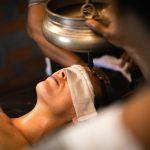
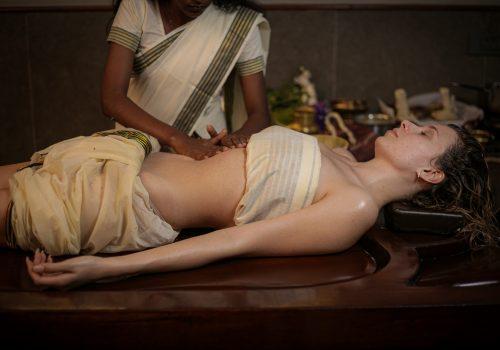
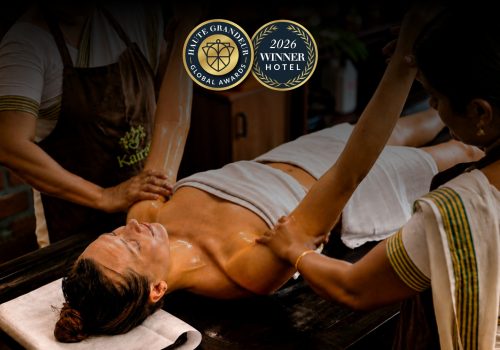
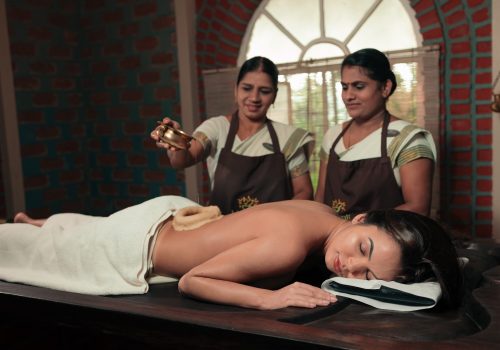
Ayurveda treatment effectiveness is influenced by climate, humidity, and your daily rhythm. Kerala’s seasons change body heat, skin receptivity, and sleep, which can make certain therapies—like Abhyanga (warm oil massage), Swedana (herbal steam), and Basti (medicated enemas)—feel markedly different across months. Picking the right window helps solo women travelers:

  • Feel safer and more comfortable (daylight hours, transport reliability, crowd density).
  • Align with women‑only preferences (women therapists, female‑only yoga, single‑occupancy cottages).
  • Maximize clinical outcomes (dosha‑specific programs respond to humidity and temperature).

Kerala through the year: weather, Ayurveda suitability & crowd levels

1) Monsoon (June–September) — The classic Ayurveda season

Weather: Frequent rain showers, high humidity, daytime highs ~25–30°C; evenings cooler.
Crowd levels: Low to moderate (except local long weekends); nature destinations are quieter.
Ayurveda fit: Excellent for detox and chronic concerns. Skin pores remain open, metabolism slows gently, and warm medicated oils penetrate deeper. Traditional Karkidaka (monsoon) regimens support gut reset, immunity and joint care.

Monsoon benefits for solo women:

  • Therapeutic ambience: The rhythm of rain improves rest; schedules are treatment‑centric rather than sightseeing‑heavy.
  • Privacy & pace: Fewer general tourists = calmer common areas, quieter dining, easier access to physicians.
  • Value: Seasonal packages and complimentary add‑ons (herbal steam, guided rain‑walks) are common.

What to expect day‑to‑day:

  • Rain bursts lasting 20–60 minutes; carry a quick‑dry poncho.
  • Transfer times may extend; choose resorts with on‑site consultation, pharmacy, yoga and meals to reduce commuting.

Women’s planning tips:

  • Confirm women therapists and women‑only steam/sauna slots.
  • Ask for evening escorts between therapy rooms and cottages if pathways get slick.
  • Pack light cottons, anti‑slip sandals, microfiber towel, and frizz‑friendly haircare.

2) Post‑monsoon / Winter (October–February) — Clear skies & peak season

Weather: Pleasant, drier air; ~22–32°C; coolest nights late Dec–Jan.
Crowd levels: High (festivals, Christmas–New Year, international tourists).
Ayurveda fit: Great for rejuvenation, stress relief and beginner-friendly schedules that mix light sightseeing with daily treatments.

Benefits:

  • Stable routines: Fewer rain disruptions = predictable therapy times.
  • Best for first‑timers: Easy acclimatization; beach evenings and backwater sunsets are comfortable.

Trade‑offs:

  • Higher prices & booking pressure—reserve 6–10 weeks ahead for women‑only rooms and synchronized therapist schedules.
  • Busier common spaces; choose resorts with staggered treatment blocks and private yoga decks.

Women’s planning tips:

  • Request single‑occupancy cottages near the treatment block to minimize after‑dark walks.
  • Pre‑book airport pickup and female chaperone on request.
  • If sensitive to crowds, avoid Dec 20–Jan 5; pick early Oct or mid‑Feb windows.

3) Pre‑monsoon Summer (March–May) — Quiet, warm and value‑friendly

Weather: Hotter afternoons ~28–35°C; humidity rising; sea breeze along the coast.
Crowd levels: Low to moderate (except Easter breaks).
Ayurveda fit: Good, especially for weight‑management and sleep‑reset programs where warmth supports sweating and deeper sleep with proper cooling.

Benefits:

  • Excellent availability for custom schedules (women therapists, rooming, early/late sessions).
  • Promotional pricing—ideal for extended 14–21‑day programs.

Women’s planning tips:

  • Book AC cottages and cooling therapies (Takra Dhara, sandalwood pastes as advised).
  • Hydration protocol: cumin‑fennel‑coriander water; carry electrolyte sachets if you’re prone to low BP.

Month‑by‑month planner (with festivals & booking cues)

  • January–February: Cool mornings, golden evenings. Peak foreign arrivals. Book 6–10 weeks ahead for women‑only yoga cohorts.
  • March: Warmer but quiet; great value for 14–21‑day Panchakarma starts.
  • April: Vishu (Malayalam New Year) cultural events; heat builds—choose forested properties.
  • May: Mango season; calm resorts; sunrise/late‑evening beach yoga.
  • June: Southwest monsoon arrives. Kickoff for Karkidaka detox planning; excellent therapist availability.
  • July: Deep monsoon—lush landscapes, fewer tourists; perfect for immunity‑focused regimens.
  • August: Onam festivities; spikes in domestic travel; book early for quieter wings.
  • September: Rains taper; green countryside; wonderful for post‑detox rejuvenation.
  • October: Clear skies, balanced temps; popular for first‑timers.
  • November: Festival run continues; coastal sunsets shine; higher occupancy.
  • December: Busiest fortnight after Dec 20; premium pricing; secure women‑only requests early.

Choosing your retreat style (for solo women)

  1. Women‑only Ayurveda retreat India (small cohorts):
    • Pros: Sisterhood vibe, synchronized schedules, private sharing circles with a senior physician.
    • Consider if: You prefer female therapists, group morning yoga, and curated cultural activities.
  2. Signature destination spa with medical Ayurveda wing:
    • Pros: Resort comforts, larger grounds, multiple cuisine counters.
    • Consider if: You want balanced vacation + treatment and optional sightseeing.
  3. Clinical Panchakarma center:
    • Pros: Deep medical focus, physician‑led daily review, therapeutic diet kitchen.
    • Consider if: You’re targeting specific conditions (e.g., joint care, skin, digestion) and okay with minimal sightseeing.

Safety & comfort checklist (solo female traveler)

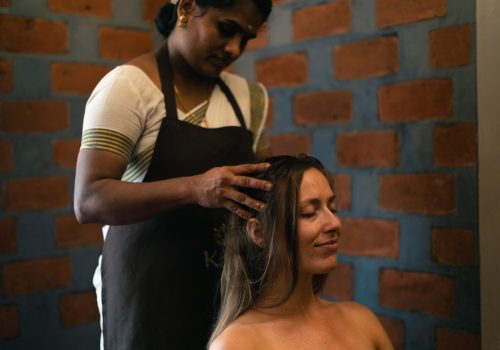
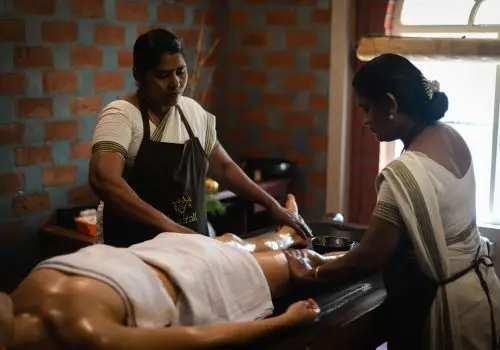
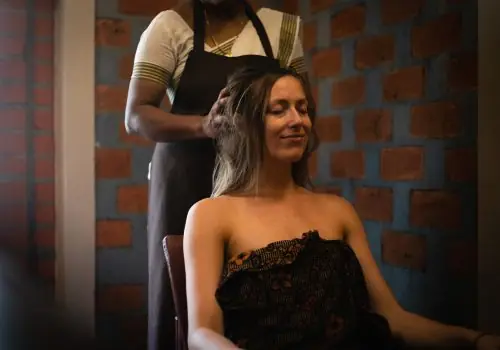
  • Therapist protocols: Confirm same‑gender therapists for all oil therapies and steam.
  • Rooming: Single cottage or women‑only wing; proximity to therapy rooms and dining.
  • Night movement: Lit pathways, on‑call buggy; request escort after evening sessions.
  • Transport: Pre‑arranged airport pickup with driver details shared in advance; WhatsApp check‑in on arrival.
  • Privacy: Private consultation room; option to schedule treatments during quieter afternoon slots.
  • Connectivity: Strong in‑room Wi‑Fi for remote check‑ins; local SIM available on arrival.
  • Cultural respect: Modest attire in common areas; carry a light shawl for temple visits.

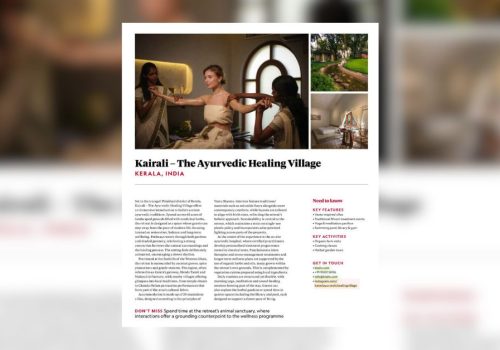
How this guide maps to Kairali – The Ayurvedic Healing Village (Palakkad, Kerala)

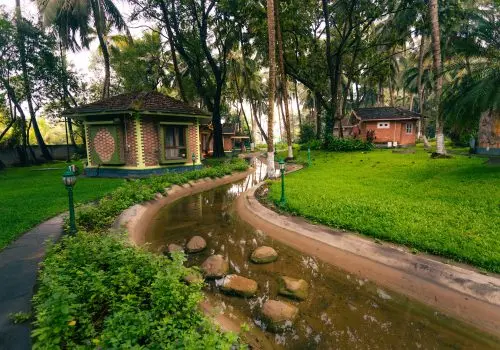
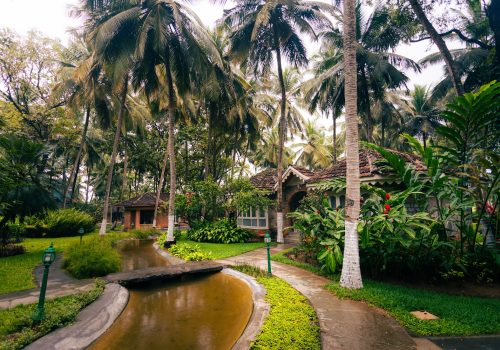
Why Kairali for solo women: A physician‑led Ayurvedic campus set amid lush greenery with same‑gender therapists, women‑centric scheduling, and end‑to‑end transfers. Treatment, pharmacy, yoga, and dining are all on site—ideal when you want maximum rest and minimal commuting.

Season‑by‑season at Kairali

  • Monsoon (Jun–Sep): Classic Kerala detox season. Quiet grounds, rain‑cooled air, and enhanced comfort for warm‑oil therapies. Ask for the Karkidaka regimen with immunity‑focused diet and guided journaling circles.
  • Post‑monsoon/Winter (Oct–Feb): Clear skies and structured treatment slots—great for first‑timers who want a touch of sightseeing (Palakkad forts, dams, handloom villages) without compromising therapy cadence.
  • Pre‑monsoon Summer (Mar–May): Value‑friendly longer stays (10–21 days). Book AC cottages, early‑morning yoga, and cooling protocols (Takra Dhara as advised by the physician).

Women‑centric safeguards

  • Guaranteed female therapists for oil therapies and steam.
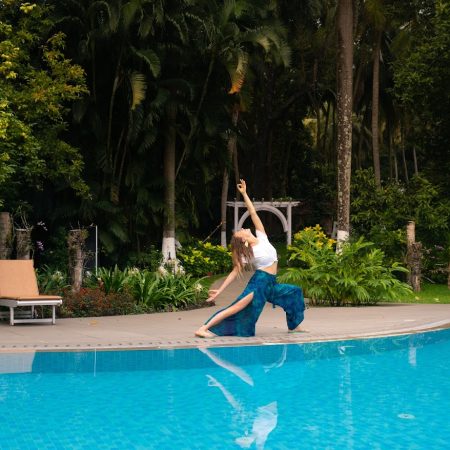
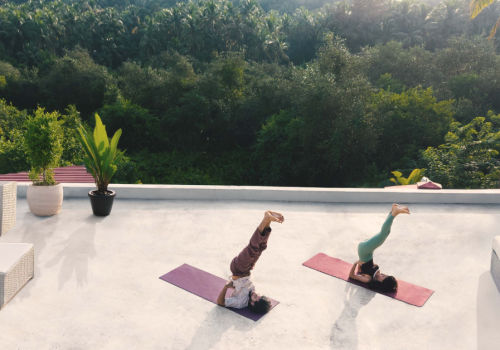
  • Women‑only yoga/meditation windows and private consultation rooms.
  • Well‑lit pathways, buggy on call, and optional evening escort between therapy block and cottage.
  • Pre‑arranged airport pickup and WhatsApp arrival check‑in.

Getting there

  • Convenient access from major South India airports; private transfers arranged on request.
  • Rail and road links from Kochi, Coimbatore, Kozhikode, and Thrissur corridors.

Who it suits best

  • \Solo women seeking authentic Panchakarma with strong physician oversight.
  • First‑timers who want a contained, nature‑rich campus.
  • Repeat guests targeting deeper detox during monsoon with quieter common areas.

Program ideas to request

  • 7‑day Rejuvenation (beginner‑friendly)
  • 10‑day Stress & Sleep Reset (with breathwork coaching)
  • 14–21‑day Detox/Panchakarma (seasonal immunity focus)

Final Thoughts

Kerala is welcoming in every season, but the best time to visit Kerala Ayurveda retreat (women) depends on your intent. Choose the monsoon (June–September) for deep, traditional detox in a calmer, greener Kerala; October–February for clear skies and first‑time comfort; and March–May for longer stays and great value. As a solo woman traveler, prioritise centers that guarantee same‑gender therapists, women‑only yoga slots, and secure transfers. When you align climate, culture, and clinical guidance, the line between “holiday” and “healing” disappears. If you’re ready to plan a women’s Ayurveda retreat booking in Kerala, India—whether a quiet women‑only Ayurveda retreat in India or a signature destination spa—share your dates and goals. We’ll curate the best Ayurveda retreat for solo women and physician‑approved timelines so you receive the best Ayurvedic treatment in Kerala for your needs.

About the Author

Abhilash K. Ramesh represents the new generation of Ayurvedic entrepreneurship. As an Executive Director at Kairali Ayurvedic Group, he has been instrumental in expanding the global footprint of Ayurveda, setting up wellness centers, franchise partnerships, and integrative healing programs across 30+ countries.

With a background in international business and a vision rooted in ancient healing wisdom, Abhilash focuses on aligning Ayurveda with modern wellness trends, tech-based health solutions, and integrative care models. His thought leadership lies in bridging the East and West—making Ayurveda relevant to contemporary global audiences.

Abhilash K.R.
Abhilash K.R.

Executive Director, Kairali Ayurvedic Group Ayurveda Futurist | Global Expansion Strategist | Wellness Industry Speaker Abhilash K. Ramesh represents the new generation of Ayurvedic entrepreneurship. As an Executive Director at Kairali Ayurvedic Group, he has been instrumental in expanding the global footprint of Ayurveda, setting up wellness centers, franchise partnerships, and integrative healing programs across 30+ countries. With a background in international business and a vision rooted in ancient healing wisdom, Abhilash focuses on aligning Ayurveda with modern wellness trends, tech-based health solutions, and integrative care models. His thought leadership lies in bridging the East and West—making Ayurveda relevant to contemporary global audiences.