

























Menopause is a natural stage of life, but the symptoms that accompany it can be difficult to ignore. Hot flashes, disturbed sleep, anxiety, dryness, mood changes and shifts in weight or energy can affect daily life in very different ways.
Ayurveda does not treat menopause as a single, uniform experience. It looks at the pattern of symptoms, the person’s constitution, digestion, sleep, stress, medical history and stage of transition before recommending any course of care.
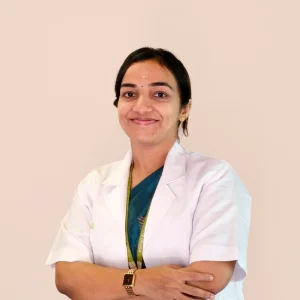
At Kairali, The Ayurvedic Healing Village in Palakkad, menopause support is planned by Ayurvedic physicians following an individual consultation. The aim is not to promise a cure or replace necessary medical treatment. It is to help women understand the changes they are experiencing and explore supportive routines in a supervised setting.
How Ayurveda Understands Menopause
In Ayurveda, menopause is often associated with the transition from the Pitta stage of life towards the Vāta stage.
This does not mean that every symptom is caused by one doṣa. Different women may present with different patterns.
A Vāta-dominant pattern may include:
- Dryness
- Poor sleep
- Anxiety
- Restlessness
- Joint discomfort
A Pitta-dominant pattern may include:
- Hot flashes
- Irritability
- A sensation of excess heat
- Heavy or irregular bleeding during the transition
A Kapha-dominant pattern may include:
- Sluggishness
- Heaviness
- Reduced motivation
- Changes in weight
These categories are not diagnoses. They are part of the framework an Ayurvedic physician may use to understand how symptoms are presenting in a particular person.
Why Individual Assessment Matters
Menopause symptoms can overlap with other health concerns, including thyroid disorders, anaemia, depression, sleep disorders and cardiovascular risk factors.
For this reason, responsible Ayurvedic care begins with assessment rather than assumption.
An Ayurvedic physician may consider:
- Menstrual history and stage of transition
- Sleep quality
- Digestion and appetite
- Stress and emotional wellbeing
- Existing medical conditions
- Current medication or hormone therapy
- Strength, mobility and daily routine
Where symptoms require further investigation, women should be referred for appropriate medical evaluation.
What a Supervised Ayurvedic Programme May Include
A residential programme may combine several elements, depending on the individual assessment.
External Ayurvedic Therapies
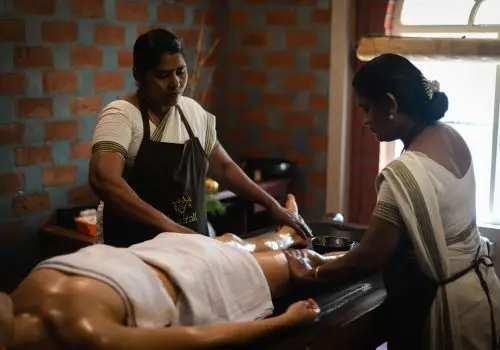
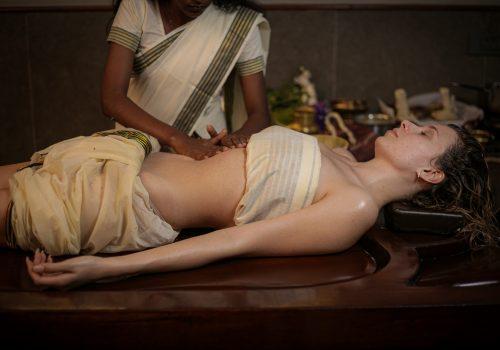
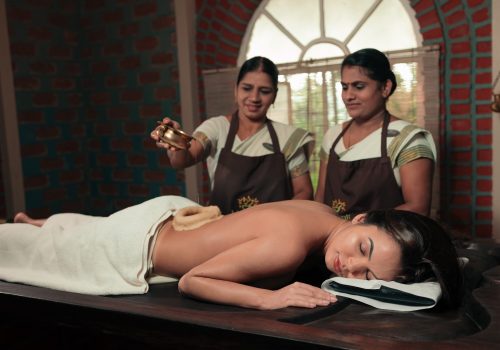
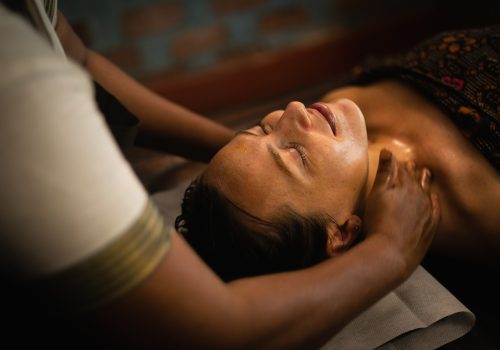
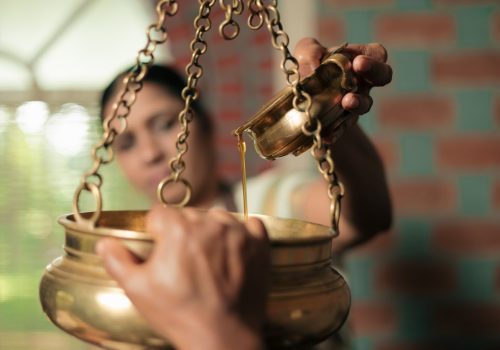
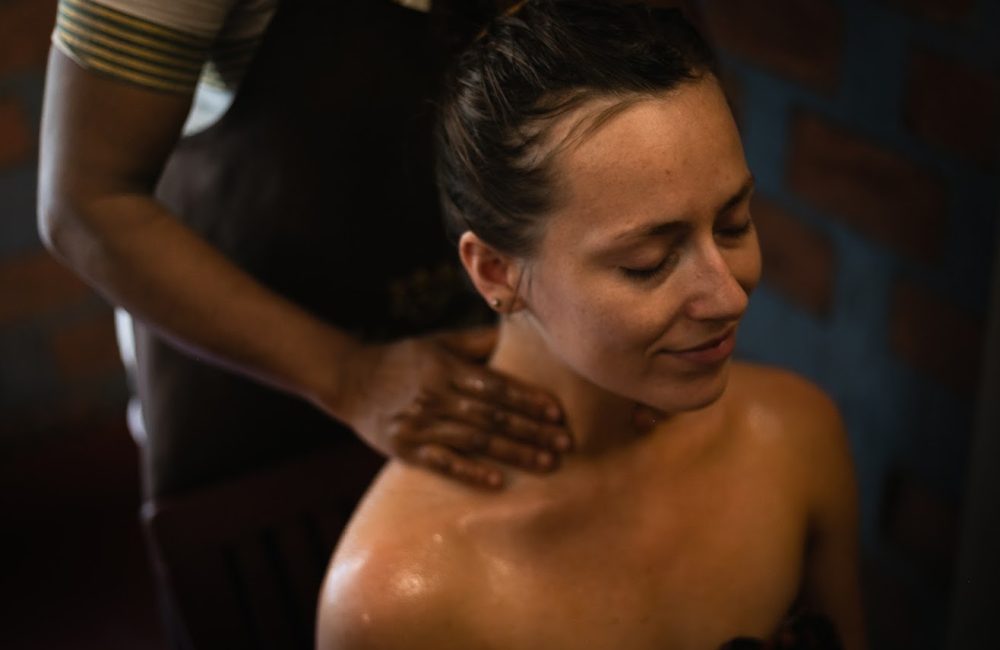
Therapies such as Abhyanga (oil application), Śirodhārā or other physician-selected procedures may be included when appropriate.
These therapies are not automatically suitable for every guest. Their use depends on the person’s symptoms, strength, medical history and response during the programme.
Selected Panchakarma Procedures
Some women may be advised to undergo selected Panchakarma procedures under clinical supervision.
Panchakarma should not be treated as a standard menopause package or a general cleansing routine. The decision to include any procedure should be made by a qualified Ayurvedic physician after assessment.
Dietary Guidance
Meals may be adjusted according to digestion, appetite, symptoms, medical needs and constitutional factors.
The focus is usually on regularity, freshly prepared food and meals that are appropriate for the individual. There is no single “menopause diet” that suits every woman.
Movement, Yoga and Rest
Gentle yoga, walking, mobility work, breathing practices or guided relaxation may be introduced according to the guest’s capacity.
The emphasis is on consistency and suitability rather than intensity.
Physician-Prescribed Herbal Support
Ayurvedic formulations may be considered only after a practitioner has reviewed the woman’s symptoms, medicines and medical history.
Herbs commonly discussed in relation to women’s health are not appropriate for everyone. Self-prescribing is especially unsuitable for women taking hormone therapy, anticoagulants, sedatives or medication for other chronic conditions.
Sleep, Stress and Daily Rhythm
Many women experience disrupted sleep or heightened anxiety during the menopausal transition.
A residential retreat can provide a more consistent daily structure, with regular meals, planned rest, reduced stimulation and supervised practices. This may help a woman observe which habits affect her sleep, energy or emotional steadiness.
The value of the retreat lies in this structure and observation. It should not be presented as proof that a particular symptom will improve within a fixed number of days.
Ayurveda Alongside Conventional Care
Ayurvedic support should remain complementary to appropriate medical care.
Women using hormone replacement therapy or other prescribed medication should not stop, reduce or alter treatment without consulting the clinician responsible for their care.
Medical evaluation is particularly important when symptoms include:
- Very heavy or unexpected bleeding
- Chest pain or breathlessness
- Severe depression or anxiety
- Sudden weight change
- Persistent pelvic pain
- New or unexplained symptoms
Ayurveda may contribute to a broader conversation about routine, digestion, rest, movement and stress. It does not remove the need for medical assessment.
What to Ask Before Choosing a Menopause Programme
Before booking an Ayurvedic retreat, women should ask:
- Will an Ayurvedic physician conduct the assessment?
- Will my current medicines and medical history be reviewed?
- Are therapies selected individually?
- How are contraindications identified?
- What follow-up guidance will I receive?
- Will the programme work alongside my existing medical care?
These questions are more useful than claims about rapid relief or guaranteed results.
A More Measured Approach to Menopause
Menopause is not a failure of the body, nor does every woman need the same intervention.
A careful Ayurvedic approach considers the whole pattern: sleep, digestion, heat, dryness, mood, strength, routine and medical history. At Kairali’s Palakkad centre, this process takes place within a physician-led residential setting where recommendations can be adapted over time.
The purpose is not to promise that every symptom will disappear. It is to offer women a structured and supervised way to understand the transition and develop routines that may be appropriate for their individual circumstances.
Website: www.ktahv.com
Call: +91-9555156156