























Many travellers plan an Ayurvedic stay around Kerala’s monsoon. Others prefer the cooler winter months. This raises a common question: What is the best season for Panchakarma?
Ayurveda does consider seasonal change important. However, the calendar alone should not decide when someone begins Panchakarma.
The right time depends on the person’s constitution, current health, strength, age, travel schedule, and the purpose of treatment. A consultation with a qualified Ayurvedic physician is therefore more important than choosing a particular month.
Is Monsoon the Best Season for Panchakarma?
Monsoon has long been associated with Ayurvedic treatment in Kerala.
From June to September, temperatures are often lower than during peak summer. The season also encourages a slower pace, which can make it easier to rest and follow a structured programme.
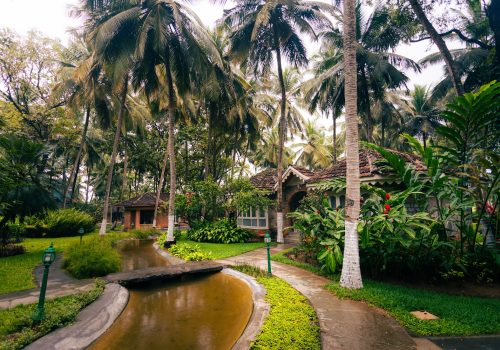
For international travellers, the rainy landscape can also create a calm setting for an extended residential stay. Daily routines tend to focus on treatments, meals, rest, Yoga, and physician consultations rather than sightseeing.
However, monsoon is not automatically the best season for every guest.
A physician may recommend a different time based on the person’s health, digestive capacity, resilience, and treatment goals. Seasonal preference should support clinical judgement, not replace it.
Why Seasons Matter in Ayurveda
Ayurveda describes seasonal living through ṛtucaryā, meaning a routine adapted to the season.
Changes in temperature, rainfall, daylight, food, and daily activity can influence appetite, sleep, digestion, and energy. Ayurvedic practitioners consider these changes when planning food, lifestyle advice, and therapies.
This does not mean that everyone needs Panchakarma whenever the weather changes.
Instead, season is one part of a wider assessment. The physician also considers the individual’s prakṛti, or natural constitution, and vikṛti, the present state of imbalance.
Panchakarma During Kerala’s Monsoon
The Kerala monsoon is traditionally valued for physician-led Ayurvedic care.
The cooler, quieter atmosphere can support the discipline required during Panchakarma. Guests may also find it easier to reduce external activity and give more time to rest.
At Kairali – The Ayurvedic Healing Village, the programme does not begin with a standard list of treatments. It begins with a medical consultation.
The physician then determines whether Panchakarma is appropriate. The treatment sequence, diet, movement, and rest periods are planned for the individual.
The weather may shape the programme, but it does not determine it on its own.
Is Winter a Good Time for Panchakarma?
Winter, from roughly November to February in Kerala, is another practical period for international travellers.
The weather is generally more comfortable for outdoor movement, gentle Yoga, and time in the grounds. This can make the stay easier for guests who are not accustomed to tropical humidity or heavy rainfall.
Some people also feel physically stronger during the cooler months. However, this varies widely.
An Ayurvedic physician may adjust oils, food, therapies, and daily routines to suit both the season and the guest. Winter can be suitable, but it is not universally better than monsoon.
Can Panchakarma Be Undertaken in Summer?
Panchakarma may also be considered during warmer months when a physician finds it appropriate.
Kerala’s heat can affect appetite, hydration, energy, and comfort. Therefore, the programme may need seasonal adjustments.
Cooling foods, suitable treatment timings, careful rest, and close observation become especially important. Guests travelling from cooler countries may also need time to adapt to the climate.
For this reason, summer planning requires an honest discussion about heat tolerance, travel fatigue, health history, and the intended programme.
The Best Month Depends on the Individual
There is no single best month for Panchakarma.
A person who is physically strong and seeking preventive care may receive different advice from someone managing fatigue, poor sleep, digestive discomfort, or a diagnosed health condition.
The physician may consider:
- Current health and medical history
- Natural constitution and present imbalance
- Age and physical strength
- Digestion and appetite
- Sleep and stress levels
- Current medicines
- Climate tolerance
- Travel demands
- The intended length of stay
This is why Panchakarma should not be selected as a fixed spa package.
It is a supervised Ayurvedic process that must be adapted to the individual.
Why a 14- to 21-Day Stay Matters
A full Panchakarma programme usually requires time.
At Kairali, guests are generally advised to allow 14 to 21 days, subject to the physician’s assessment. This period gives the medical team time to plan and monitor the different stages of the programme.
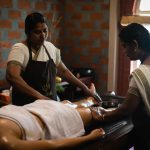
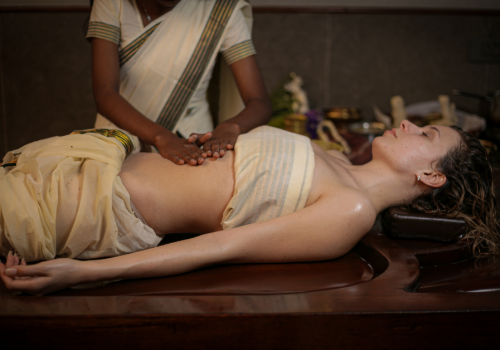
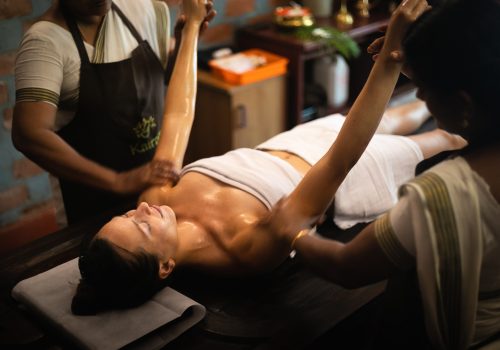
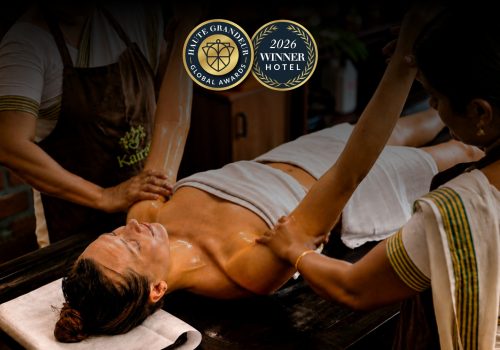
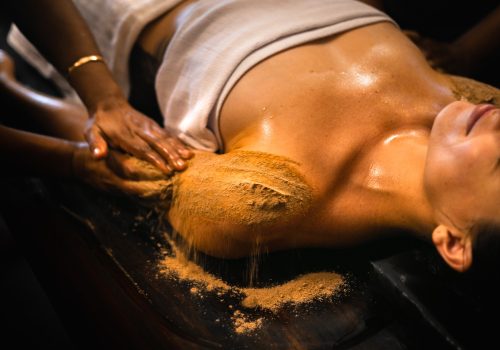
Panchakarma is not simply a series of massages. A residential programme may include preparatory measures, main procedures where indicated, rest, dietary adjustments, and a gradual transition back to a regular routine.
A shorter stay may still include selected Ayurvedic therapies. However, it should not automatically be described as complete Panchakarma.
International travellers should also allow time for arrival, adjustment, and rest before returning to a demanding schedule.
What Happens Before Treatment Begins?
At Kairali – The Ayurvedic Healing Village, each programme begins with a consultation with an Ayurvedic physician.
The consultation may review health concerns, medical history, digestion, sleep, energy, medications, and previous experience with Ayurveda. The physician then decides whether Panchakarma is suitable.
Where necessary, guests may also be advised to continue conventional medical care or obtain clearance from their treating doctor.
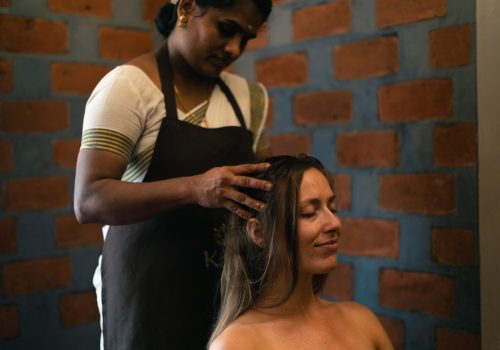
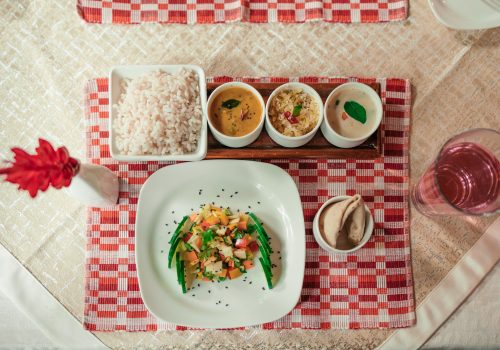
Once the assessment is complete, the team prepares a daily plan. This may include physician-prescribed therapies, Ayurvedic meals, rest, gentle Yoga, meditation, and follow-up consultations.
The schedule can change during the stay. Regular observation allows the physician to modify the programme according to the guest’s response.
Why the Setting Matters
Panchakarma requires more than a treatment room.
A suitable setting should support regular meals, quiet rest, supervised therapies, and access to qualified practitioners. It should also allow the guest to step away from work, alcohol, irregular food, late nights, and constant travel.
Kairali – The Ayurvedic Healing Village is an NABH-accredited Ayurvedic hospital-resort in Kodumbu, Palakkad. Its Panchakarma programmes are physician-led and follow a structured clinical framework rather than a spa-style menu.
This distinction matters. Panchakarma includes procedures that may not be suitable for everyone and should not be self-administered.
Planning a Panchakarma Stay from Overseas
International guests should plan beyond the treatment dates.
Long flights, time-zone changes, climate differences, and unfamiliar food can affect the first days of a stay. Arriving with a tightly packed schedule may make it harder to settle into the programme.
It is sensible to:
- Share relevant medical information before arrival
- Confirm whether the programme suits current health needs
- Discuss prescription medicines with both treating doctors
- Allow enough time for a 14- to 21-day stay
- Avoid scheduling demanding travel immediately afterwards
- Pack for Kerala’s seasonal weather
Guests should not stop prescribed medicines unless their treating medical professional advises them to do so.
When Panchakarma May Not Be Appropriate
Panchakarma is not suitable for everyone at every stage of life.
Pregnancy, acute illness, severe weakness, recovery from recent surgery, and some medical conditions may require postponement or a different approach. Individual procedures also have their own contraindications.
A qualified physician should make this decision after assessment.
Travellers should be cautious of centres that promise the same Panchakarma schedule to every guest or present it only as rapid detoxification. Good Ayurvedic care begins by asking whether the programme is appropriate at all.
So, When Should You Go?
Monsoon remains a meaningful season for Ayurvedic treatment in Kerala. Its cooler rhythm and quieter surroundings can support an extended stay.
Winter is also a comfortable choice for many international visitors. Summer may be suitable when the programme is carefully adapted.
Yet the best season is the one in which three conditions come together: the treatment is medically appropriate, the guest has enough time, and the stay can be completed without unnecessary pressure.
In Panchakarma, timing is personal.
The calendar matters, but the physician’s assessment matters more.
Website: www.ktahv.com
Call: +91-9555156156