























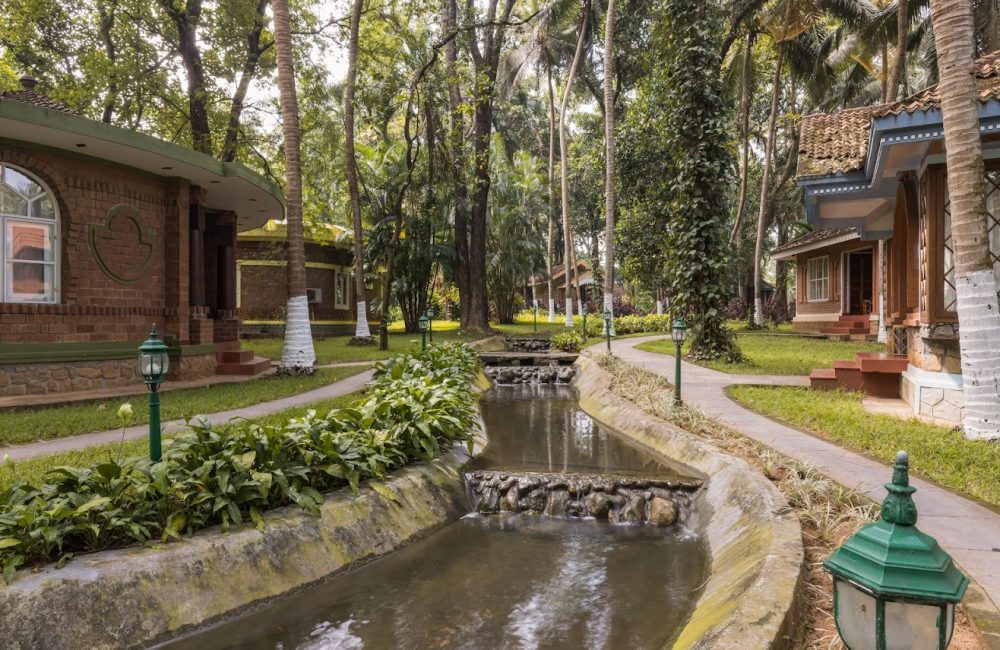

A Kerala healing village can mean very different things to different people.
For some, it is a quiet place to step away from routine. For others, it is a structured environment where food, rest, therapies, and daily rhythm are all treated as part of healing. That is why outcomes can vary so much from one guest to another. The setting may be the same, but the person arriving there is not.
This is especially true in places such as Kairali – The Ayurvedic Healing Village, where the experience is built around traditional Ayurvedic principles rather than a conventional holiday model. Some guests respond well to that structure. Others may find that they need a different kind of support before such a stay becomes useful.
For readers comparing the best wellness retreats, researching a famous ayurvedic hospital in india, or exploring ayurvedic treatment packages in kerala, the more helpful question is not “Which place is best?” but “Which kind of experience is actually right for me?”
What a healing village is really designed for
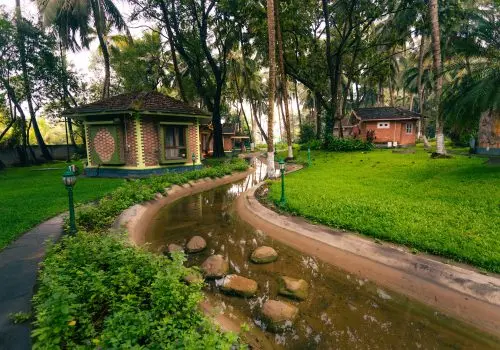
A healing village is usually not meant for sightseeing-heavy travel or a packed social schedule. Its purpose is different. It creates conditions where the body can settle into routine, where digestion and sleep are given attention, and where treatment happens within a quieter and more contained environment.
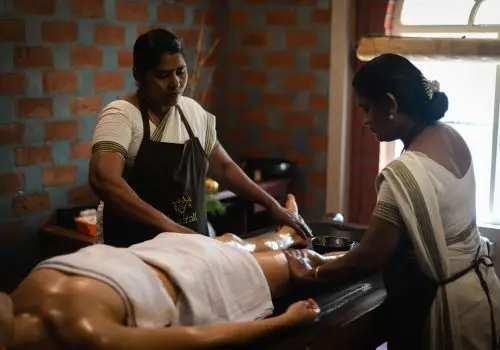
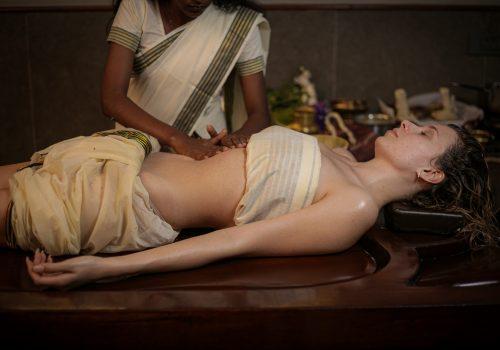
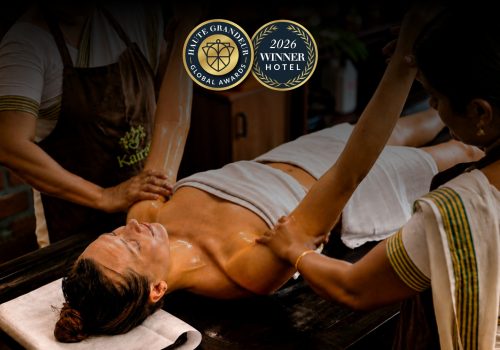
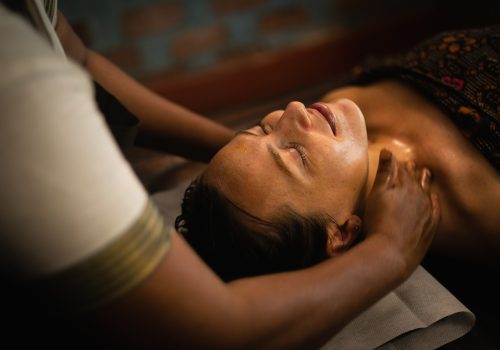
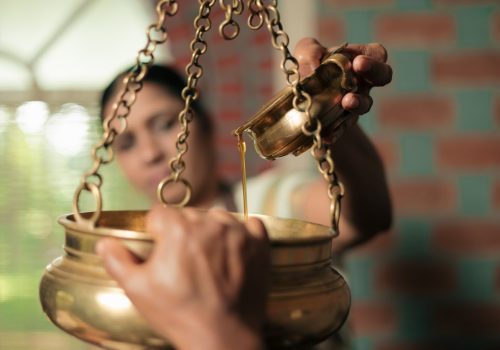
In a place like Kairali, that often means physician guidance, individualized therapies, simple meals, regular timings, and fewer distractions. For some people, that combination can feel deeply supportive. For others, it can feel too disciplined or mistimed.
So who usually does well in this kind of setting?
1. Guests who are willing to slow down
This is often the biggest factor.
People who benefit most from a healing village are usually ready to stop treating rest as wasted time. They may still be busy people in ordinary life, but during their stay they are willing to follow a quieter pace, eat on time, sleep better, and give the body a chance to reset.
Without that willingness, even the most carefully planned program can feel ineffective. Healing environments tend to work best when the guest stops resisting the rhythm.
2. Guests dealing with stress-related imbalance
Many people who seek Ayurveda are not necessarily in a medical crisis. Instead, they are dealing with chronic overload: poor sleep, irritability, fatigue, digestive discomfort, difficulty concentrating, or a general sense of being depleted.
A Kerala healing village can be particularly helpful for this kind of guest because the environment itself reduces stimulation. The treatment is not only in the therapy room. It is also in the absence of constant noise, irregular eating, late nights, and overwork.
For people who feel worn down rather than acutely unwell, this can be one of the most meaningful aspects of the experience.
3. Guests who want a structured healing environment, not just relaxation
Some travelers look for massages, comfort, and temporary escape. Others are looking for something more methodical.
The second group is usually better suited to a healing village. In traditional Ayurvedic settings, the experience often involves guidance, observation, dietary discipline, and a routine that may feel simple but intentional. It is less about indulgence and more about creating the conditions for recovery.
This is one reason why people comparing the best wellness retreats sometimes find that an Ayurvedic healing village belongs in a different category altogether.
4. Guests who are open to lifestyle correction
Ayurveda rarely treats symptoms in isolation. It often looks at sleep, digestion, food habits, daily rhythm, stress load, and personal constitution together.
Because of that, guests who do well are usually those who do not expect treatment to happen only through oils, therapies, or herbal support. They are also open to adjusting how they eat, when they rest, and how they manage everyday life.
A healing village can introduce these changes in a practical way. But the guest has to be willing to engage with them.
5. Guests who can stay long enough to settle in
One common misunderstanding is that every wellness stay delivers the same result regardless of duration. In reality, some people need time simply to arrive mentally and physically before any deeper benefit becomes noticeable.
Guests who tend to report better outcomes are often those who stay long enough for their bodies to adjust to the environment. This does not mean every stay must be long, but it does mean that realistic expectations matter.
That is also worth remembering when browsing ayurvedic treatment packages in kerala. The most suitable program is not always the one with the most therapies. Sometimes it is the one with the right pace and duration for the person.
6. Guests who prefer preventive care over last-minute intervention
Some of the best candidates for a healing village are not waiting until their health feels unmanageable. They come earlier, when warning signs appear: low energy, digestive irregularity, poor sleep, emotional fatigue, or a recurring sense that the body is no longer recovering well from daily life.
These guests often do well because the aim is not immediate rescue but recalibration. They are using the stay as a preventive and restorative measure rather than expecting a dramatic overnight fix.
7. Guests who value an immersive setting rooted in Ayurveda
A place such as Kairali – The Ayurvedic Healing Village appeals most to guests who are specifically interested in an Ayurvedic environment, not just a beautiful property in Kerala.
That distinction matters. Some people want a luxury retreat that happens to offer Ayurveda. Others want a place where Ayurveda shapes the daily structure itself. The latter group is usually more satisfied because their expectations match the setting.
This is also why readers looking for a famous ayurvedic hospital in india sometimes end up comparing hospitals, retreat centers, and healing villages without realizing that these are not identical models of care.
3 Types of Guests Who May Need a Different First Step
A healing village is not the right starting point for everyone. That is not a criticism of the guest or the place. It is simply a question of fit.
1. Guests looking for immediate results without changing routine
Some people want the benefits of healing without interrupting the habits that may be contributing to imbalance. They may hope for quick relief while continuing irregular sleep, heavy food, nonstop work, or constant digital engagement.
In these cases, a healing village may feel disappointing, not because the setting lacks value, but because meaningful benefit usually depends on participation. A shorter consultation-led approach or gradual lifestyle support may be more realistic at first.
2. Guests with urgent or unstable medical concerns
A healing village is not a substitute for emergency care or specialist intervention where needed.
Anyone with severe symptoms, rapidly changing health conditions, or urgent medical needs should first seek appropriate conventional medical evaluation. Ayurveda may still have a role later, but not every stage of illness is suited to a retreat or village-based format.
3. Guests who are not mentally available for rest
Sometimes a person books a healing stay but remains completely tied to work, decision-making, family obligations, or emotional overwhelm. Even in a quiet environment, the nervous system may remain highly activated.
In such cases, the issue is not motivation but readiness. The stay may still be valuable later, but only once the person has enough mental space to actually receive it.
How to think about Kairali in this context
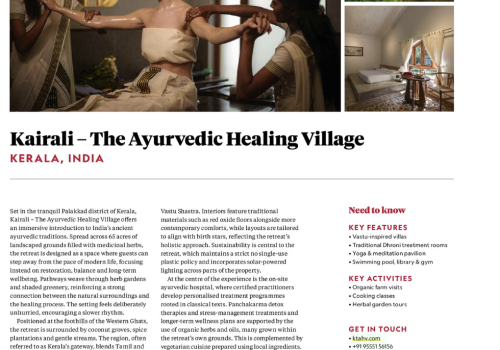
Kairali can be understood as one example of the Kerala healing village model: a place where Ayurveda is not offered as a single treatment, but as part of a broader therapeutic routine. Mentioning it here is useful not because every reader should choose it, but because it helps clarify what this category of experience often involves.
For a reader trying to make sense of options, that may be more useful than broad marketing language.
A hospital, a retreat, and a healing village may all offer Ayurvedic care, but they are not designed for exactly the same purpose. Someone looking for intensive medical supervision may need a different setting from someone looking for restorative structure and guided lifestyle reset.
A more useful question to ask
Rather than asking whether a healing village is “the best,” it may help to ask:
Am I at a stage where rest, routine, therapeutic support, and a quieter environment are likely to help me?
That question usually leads to a better decision than comparing properties on appearance or package inclusions alone.
Conclusion
Kerala healing villages tend to work best for guests who are ready for structure, open to slowing down, and looking for something deeper than a short-term escape. They are often less suitable for people needing urgent medical care, unwilling to adapt routine, or too mentally overextended to benefit from rest.
Seen this way, the real issue is not whether one destination is among the best wellness retreats. It is whether the healing-village model matches the person’s present condition, expectations, and capacity.
That is what determines whether the experience feels meaningful.
Website: www.ktahv.com
Call:+91-9555156156
About the Author
Gita Ramesh is a globally respected figure in the world of Ayurveda, known for her groundbreaking work in Ayurvedic spa therapies, wellness hospitality, and diet-based healing. As the Co-Founder and Joint Managing Director of Kairali Ayurvedic Group, she has played a pivotal role in shaping Kairali’s unique blend of traditional Ayurvedic healing with modern wellness sensibilities.
A passionate advocate of holistic living, Mrs. Ramesh is also the celebrated author of “The Ayurvedic Cookbook”, which reintroduces food as medicine through Ayurvedic nutrition. Her deep knowledge of Panchakarma, therapeutic wellness, and women’s health has inspired global audiences to embrace Ayurveda as a sustainable lifestyle practice.