









A slipped disc, also called a herniated disc or prolapsed disc, is a common cause of back pain. It occurs when part of an intervertebral disc presses against nearby nerves, which may lead to pain, numbness, tingling, or weakness in the back or limbs.
Many people recover with conservative treatment, while others may require specialist medical care. Alongside conventional management, some people explore Ayurveda as a complementary approach to support mobility, comfort, and overall wellbeing.
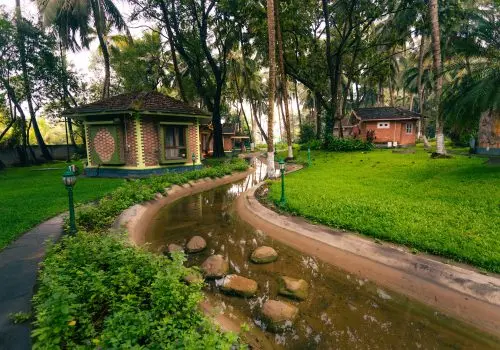
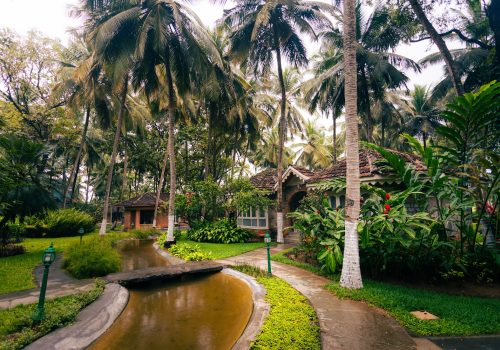
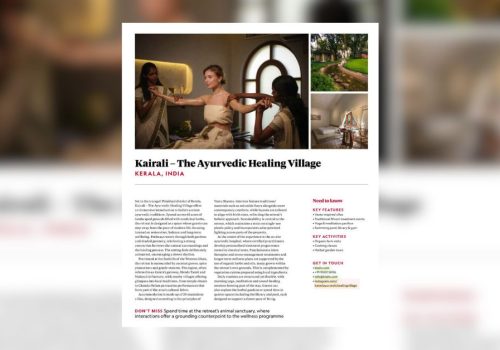
At Kairali – The Ayurvedic Healing Village, physician-led Ayurvedic programmes are designed to complement conventional medical care. Every programme begins with an individual consultation before any therapies are recommended.
What Is a Slipped Disc?
The spine is made up of vertebrae separated by soft discs that act as cushions.
When the outer layer of a disc weakens or tears, the inner material may bulge or protrude. If this presses on nearby nerves, symptoms can develop.
Common symptoms include:
- Lower back or neck pain
- Pain that travels into the arms or legs
- Tingling or numbness
- Muscle weakness
- Reduced mobility
Anyone with severe weakness, loss of bladder or bowel control, or sudden worsening symptoms should seek urgent medical attention.
How Does Ayurveda View Back Pain?
Ayurveda does not describe a slipped disc in exactly the same way as modern medicine.
Instead, symptoms such as back pain, stiffness, restricted movement, and radiating discomfort may be understood through the concept of Vāta (Vāta Doṣa), the principle associated with movement and nervous system functions.
When Vāta is considered disturbed, Ayurvedic physicians assess the individual’s overall health before recommending diet, lifestyle changes, or therapies.
Treatment is personalised rather than based on a single diagnosis.
Why Individual Assessment Matters
Back pain can have many causes.
A slipped disc is only one possibility. Muscle strain, arthritis, spinal stenosis, osteoporosis, and other conditions may produce similar symptoms.
For this reason, an Ayurvedic physician should review the person’s medical history, imaging reports where available, current symptoms, and overall health before planning a programme.
At Kairali, physician consultation is the first step in developing an individual wellness plan.
Panchakarma and Back Care
Pañcakarma (five cleansing procedures) is a physician-supervised Ayurvedic treatment programme.
Not everyone with back pain requires Panchakarma, and the programme should only be recommended after clinical assessment.
Depending on the individual’s condition, the physician may include selected therapies within a broader treatment plan.
Kati Basti
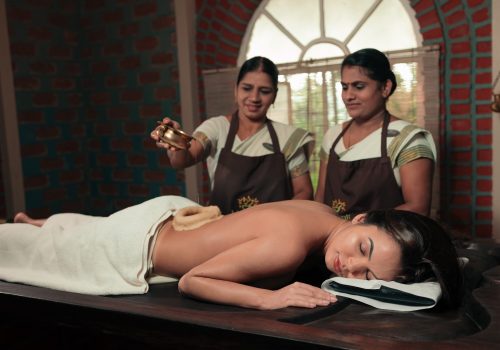
Kati Basti is a traditional Ayurvedic therapy in which warm medicated oil is retained over the lower back within a specially prepared dough ring.
Traditionally, it is used as part of Ayurvedic management for lower back discomfort and stiffness.
Whether this therapy is appropriate depends on the individual’s diagnosis, symptoms, and physician assessment.
Basti Therapy
Basti is one of the principal procedures in Panchakarma.
In classical Ayurveda, it is traditionally used as part of physician-guided approaches for Vāta-related conditions.
Because it is a supervised clinical procedure, it should only be performed under the guidance of qualified Ayurvedic practitioners.
Abhyangam
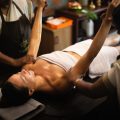
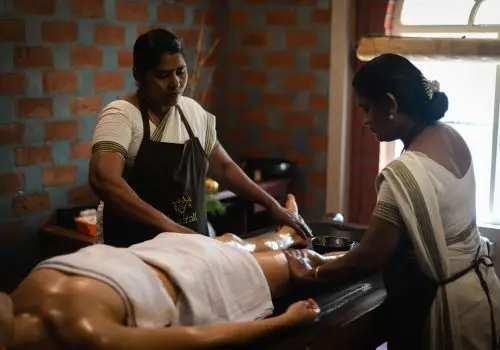
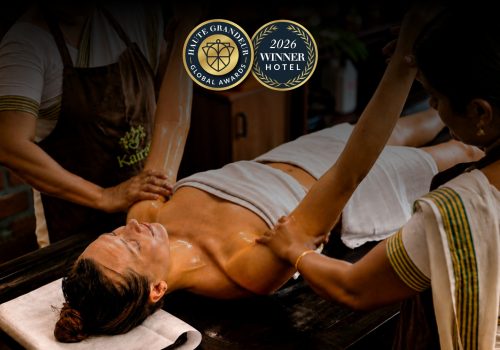
Abhyangam is a full-body Ayurvedic oil massage.
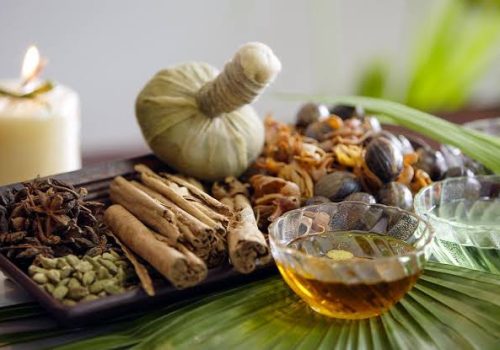
The physician selects medicated oils according to the individual’s constitution and treatment goals.
Traditionally, Abhyangam is used to promote relaxation, improve comfort, and support overall wellbeing as part of a comprehensive programme.
Pizhichil
Pizhichil combines the continuous application of warm medicated oil with gentle massage.
In Ayurvedic practice, it is used in selected physician-directed wellness programmes to support comfort and relaxation.
Its suitability depends on the individual’s condition and overall health.
Elakizhi
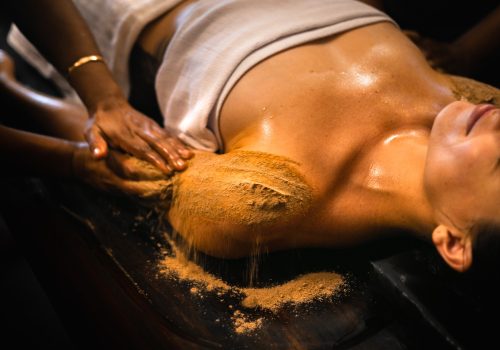
Elakizhi involves applying warm herbal poultices to specific areas of the body.
This traditional therapy may be included within an Ayurvedic programme designed for musculoskeletal comfort, depending on the physician’s assessment.
Yoga and Movement
Movement is an important part of recovery from many back conditions.
However, not every exercise is appropriate for every person.
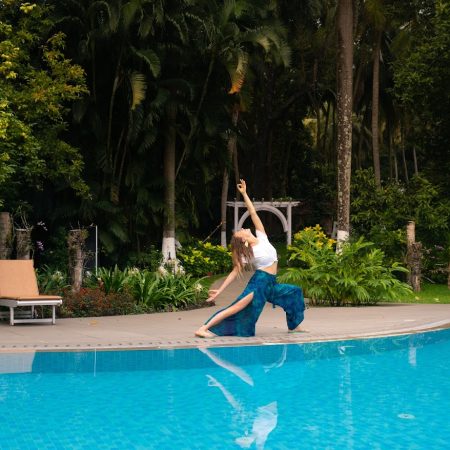
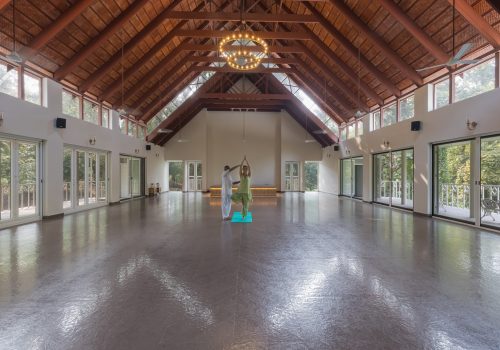
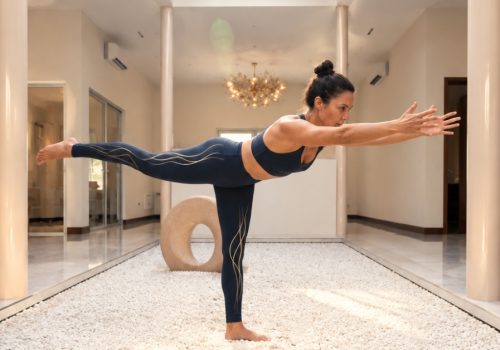
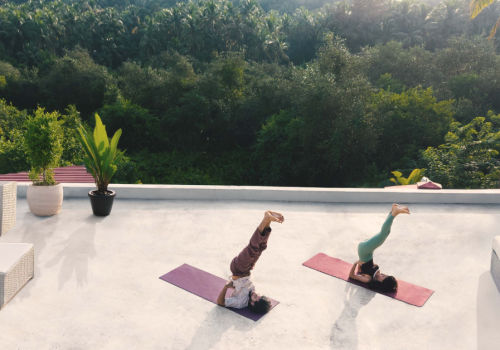
At Kairali, Yoga practices are introduced only after assessment and are adapted to the individual’s mobility and medical condition. The emphasis is on gentle movement, posture awareness, breathing, and relaxation.
The Role of Lifestyle
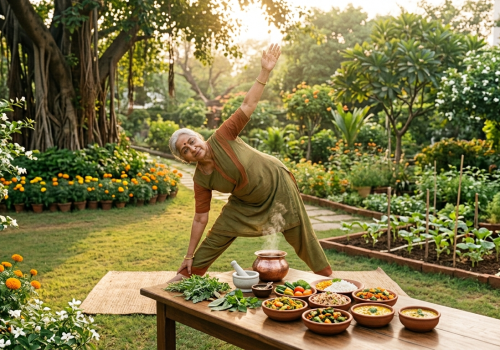
Ayurveda places considerable importance on daily habits.
For people living with recurrent back discomfort, physicians may recommend:
- Maintaining healthy posture
- Regular gentle movement
- Adequate rest
- Balanced nutrition
- Weight management where appropriate
- Stress management techniques
- Good sleep habits
These recommendations are personalised rather than identical for every guest.
When Is Medical Care Essential?
Persistent back pain should always be assessed by a qualified healthcare professional.
People should seek immediate medical attention if they develop:
- Severe or worsening weakness
- Loss of bladder or bowel control
- Numbness around the groin
- Sudden inability to walk
- Severe pain following significant injury
Ayurveda should complement, not replace, appropriate medical evaluation and treatment.
Back Care at Kairali
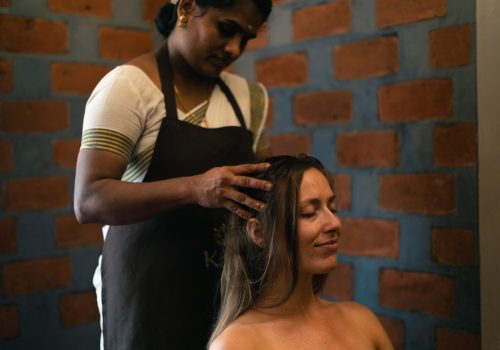
At Kairali – The Ayurvedic Healing Village, every musculoskeletal wellness programme begins with a consultation with an Ayurvedic physician.
Depending on the individual’s assessment, the programme may include:
- Physician-guided Ayurvedic therapies
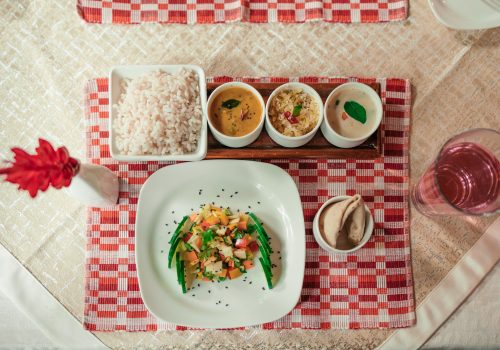
- Personalised dietary guidance
- Lifestyle recommendations
- Gentle Yoga and breathing practices
- Follow-up consultations
The focus is on supporting overall wellbeing through an individualised approach rather than providing the same treatment for every guest.
A Holistic Perspective
Living with a slipped disc can affect movement, work, sleep, and daily activities.
Ayurveda approaches these challenges by considering the individual as a whole rather than focusing only on the affected area.
When integrated with appropriate medical care, physician-guided Ayurvedic wellness programmes may help support comfort, mobility, and healthy lifestyle practices for some individuals.
Website: www.ktahv.com
Call: +91-9555156156