
















Ageing is a natural part of life. Ayurveda does not claim to stop it or make someone look ten years younger.
What it can offer is a structured way to support health as the body changes. This may include better sleep, suitable food, gentle movement, supervised therapies, and a more consistent daily routine.
In Ayurveda, this area of care is often linked to rasāyana, which means rejuvenative care.
How Ayurveda views ageing
Ayurveda uses the term jarā for ageing.
As people grow older, they may notice changes in sleep, digestion, strength, mobility, and energy. Ayurveda looks at these changes as part of a wider pattern.
Vata, one of the three doṣas or functional principles, is often associated with ageing. Its qualities include dryness, lightness, and movement.
This does not mean that every age-related concern is caused by Vata. New or persistent symptoms should always be assessed by a qualified healthcare professional.
What is Rasayana?
Rasāyana is a traditional Ayurvedic approach to maintaining strength and resilience.
It is not one treatment. It may include:
- regular sleep;
- freshly prepared food;
- suitable exercise;
- breathing practices;
- supervised herbs;
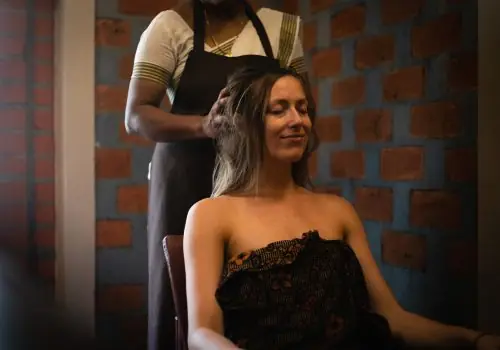
- oil-based therapies;
- seasonal routines;
- rest and follow-up care.
The aim is not to reverse age. It is to support the person’s health over time.
Why stress matters
Long-term stress can affect sleep, appetite, digestion, and concentration.
Ayurveda does not treat stress as an isolated problem. A practitioner may also ask about:
- work patterns;
- travel;
- medication;
- energy levels;
- emotional strain;
- digestion;
- sleep quality.
The care plan may then include rest, food changes, gentle yoga, breathing practices, or supervised therapies.
No single treatment can guarantee that stress-related effects will be reversed.
Panchakarma is not for everyone
Panchakarma is often promoted as an anti-ageing treatment. That is too broad.
In Ayurveda, Panchakarma is a group of supervised clinical procedures. It should only be recommended after a physician has assessed the individual.
The programme may include preparation, a selected main procedure, and a recovery period.
The exact plan depends on:
- age;
- strength;
- constitution;
- medical history;
- current symptoms;
- medication use.
A responsible centre will not offer the same Panchakarma plan to every guest.
Common therapies used in Ayurvedic care
Some therapies may be included in a rejuvenative programme.
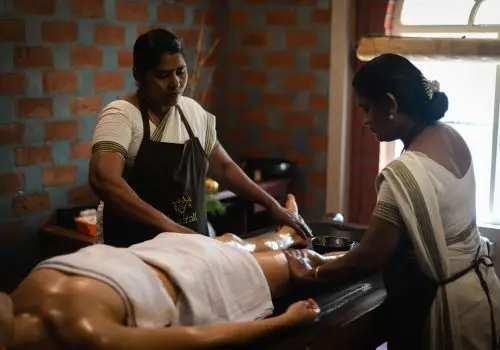
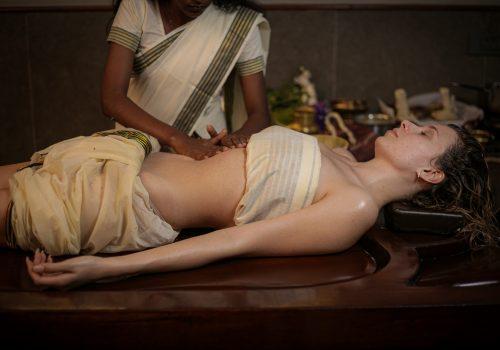
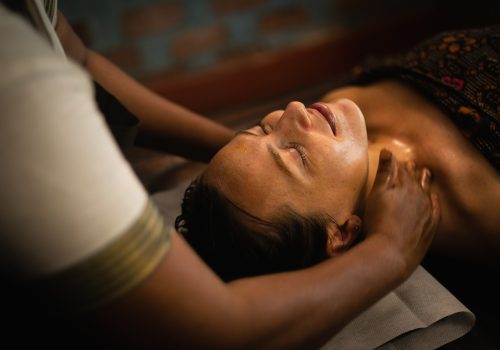
Abhyanga
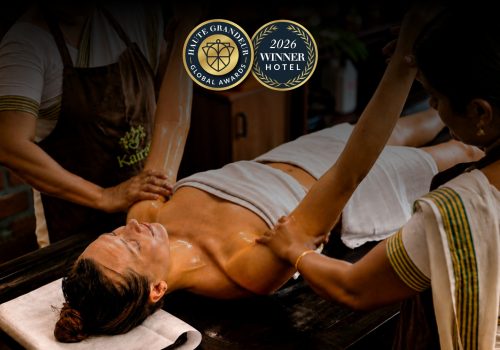
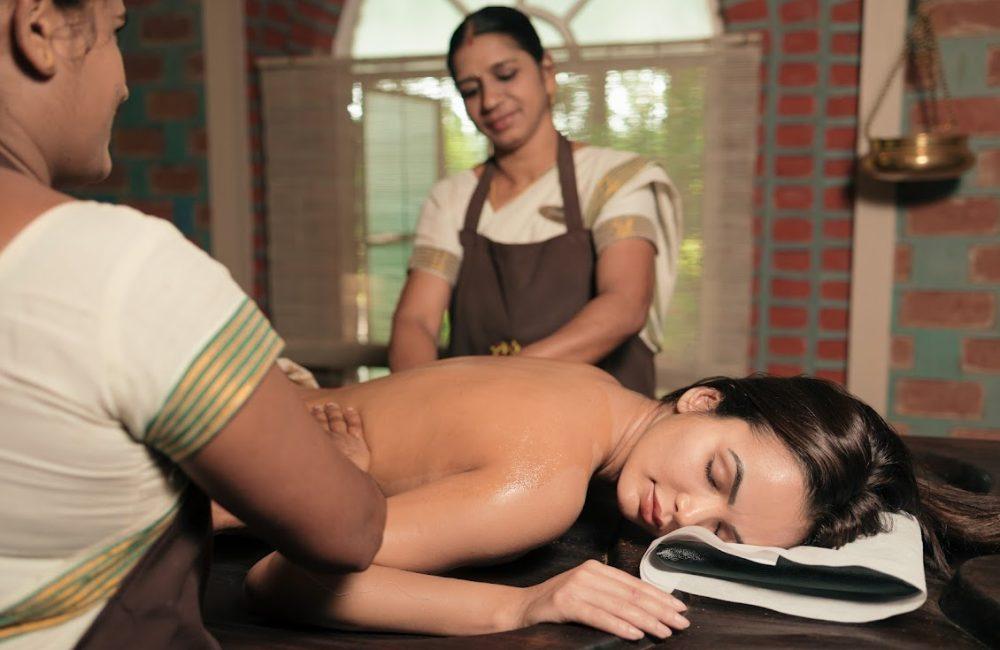
Abhyanga is the application of warm oil to the body.
The oil and pressure should be chosen according to the individual. It may be used to support rest, comfort, and daily routine.
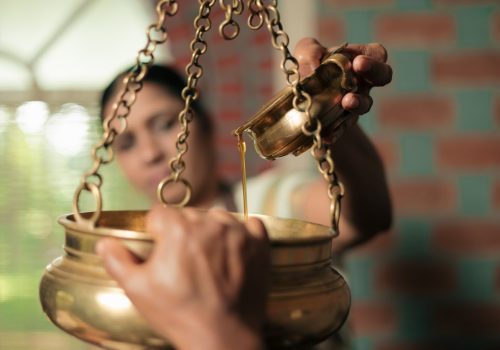
Shirodhara
Śirodhārā involves the steady flow of liquid over the forehead.
It is often included in relaxation-focused care. It should not be presented as a guaranteed treatment for insomnia, anxiety, or hormonal concerns.
Nasya
Nasya is the supervised administration of substances through the nasal route.
It is a clinical procedure and should not be attempted without professional guidance.
Basti
Basti is a specialised Ayurvedic procedure.
It must be carried out under medical supervision and is not suitable for everyone.
Food is part of the programme
Ayurveda gives food an important role in health.
A practitioner may consider:
- appetite;
- digestion;
- age;
- season;
- constitution;
- current imbalance;
- treatment stage.
There is no single anti-ageing diet.
At Kairali, meals may be planned according to the guest’s digestive capacity and Ayurvedic assessment. The food is generally fresh, vegetarian, and prepared as part of the wider programme.
Useful principles may include:
- eating at regular times;
- choosing food suited to the season;
- avoiding extreme diets;
- adjusting portions;
- allowing time for digestion.
Food can support health, but it cannot be described as reversing ageing or curing disease.
Daily routine also matters
Ayurveda uses the term dinacaryā for daily routine.
A steady routine can help bring structure to sleep, meals, movement, and rest.
A simple plan may include:
- waking at a regular time;
- eating at consistent hours;
- taking suitable exercise;
- reducing stimulation before sleep;
- using oil application where appropriate;
- including quiet breathing or relaxation.
The routine should be practical. It should also be realistic enough to continue after the retreat.
Yoga should be gentle and individual
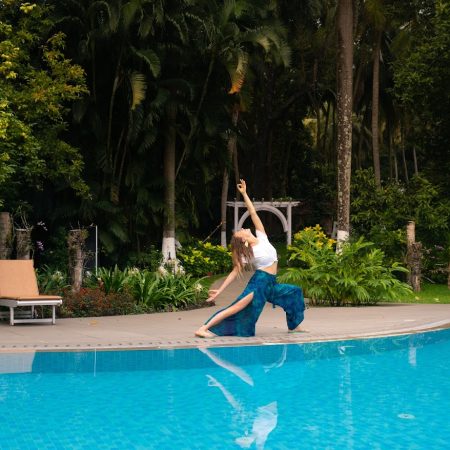
Yoga within an Ayurvedic programme should match the person’s strength and treatment plan.
For some guests, this may mean gentle movement, breathing exercises, and guided relaxation.
The team should consider:
- age;
- mobility;
- fatigue;
- treatment schedule;
- recent illness or injury;
- balance;
- cardiovascular health.
Rest may sometimes be more useful than attending every session.
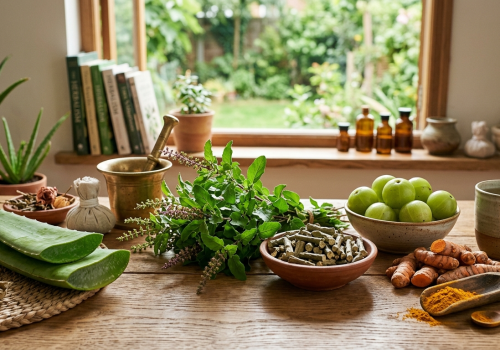
What about Ayurvedic herbs?
Herbs such as Ashwagandha, Amalaki, and Brahmi are often linked with rasayana.
However, they are not suitable for everyone.
The right herb and formulation depend on:
- constitution;
- digestion;
- medication use;
- pregnancy or lactation;
- diagnosed medical conditions.
Herbs may also interact with medicines. They should be recommended by a qualified practitioner rather than chosen from general online advice.
Marma therapy
Marma refers to vital points described in Ayurveda.
Some programmes include gentle marma-based techniques. These may form part of a wider practitioner-led plan.
Claims that marma therapy regenerates cells or reverses ageing are not supported strongly enough to be used as guarantees.
It is more accurate to describe marma therapy as a traditional Ayurvedic practice with a limited modern evidence base.
How Kairali approaches rejuvenative care
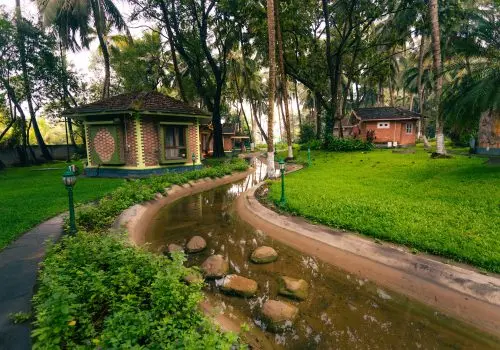
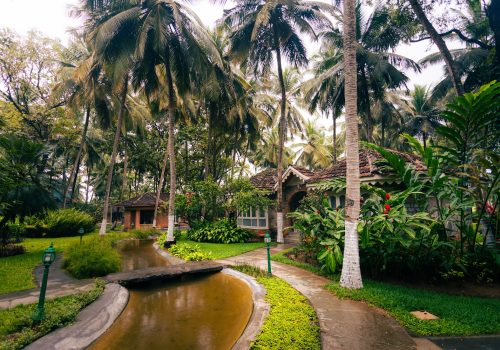
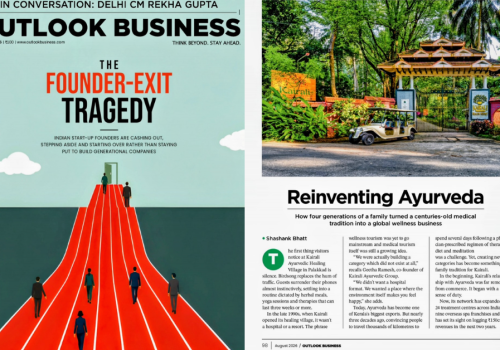
Kairali, The Ayurvedic Healing Village is an NABH-accredited Ayurvedic hospital in Palakkad, Kerala.
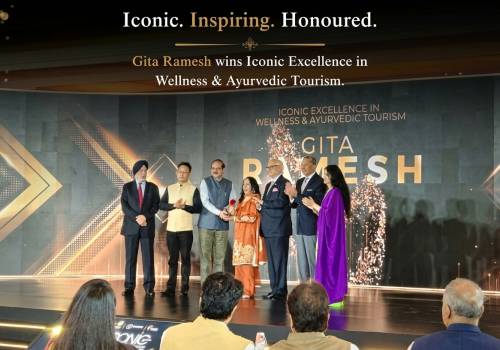
Kairali Ayurvedic Group was founded in 1989 by K.V. Ramesh and Gita Ramesh. It draws on four generations of Ayurvedic practice in the founders’ family.
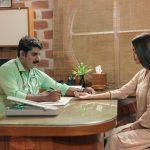
At the Healing Village, programmes are physician-led and individually planned.
The physician team may consider:
- medical history;
- age and strength;
- current symptoms;
- digestion;
- medication use;
- sleep;
- daily routine;
- suitability for therapy.
The aim is to decide what is appropriate for the individual and what should be avoided.
What realistic expectations look like
A responsible rejuvenation programme does not promise a younger face or a reversed biological age.
It may help a person build:
- a more regular routine;
- better rest habits;
- suitable meal patterns;
- realistic movement practices;
- a clearer plan for daily care.
Individual experiences vary. No retreat can guarantee changes in sleep, weight, pain, appearance, or energy.
The most useful result may be a better understanding of what supports health over time.
Healthy ageing is not one ritual
There is no single therapy, herb, or treatment that controls how a person ages.
Genetics, medical care, food, movement, sleep, social support, and existing health conditions all play a role.
Ayurveda can contribute an individualised approach to healthy ageing. Its value lies in careful assessment, suitable routines, and supervised care.
The goal is not to become younger.
It is to age with greater support, structure, and awareness.