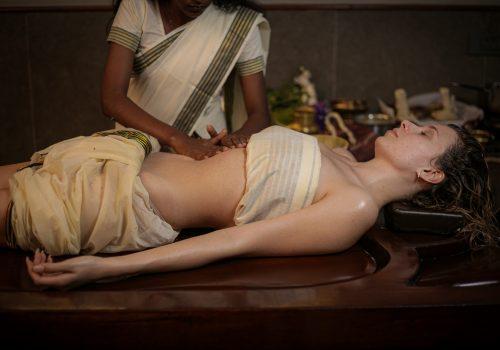
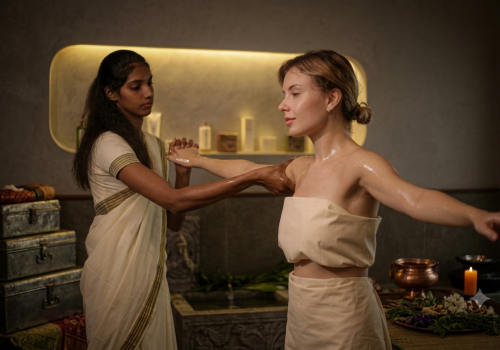





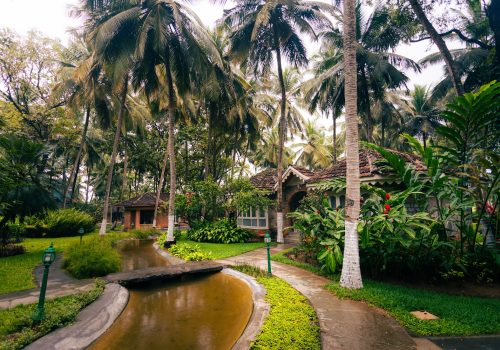












Panchakarma is not defined by age alone. In Ayurveda, suitability depends on strength, health status, constitution, the therapy being considered, and the quality of medical supervision.
Panchakarma is often described in wellness media as an Ayurvedic detox. That description is convenient, but incomplete.
In classical Ayurveda, Panchakarma refers to a group of physician-led procedures used within a wider treatment plan. These may include vamana (therapeutic emesis), virechana (therapeutic purgation), basti (medicated enema therapy), nasya (nasal administration) and raktamokṣaṇa (therapeutic bloodletting in selected contexts).
Not every patient receives all five procedures. In many cases, only one or two may be considered. Preparation, recovery, diet, rest and observation are also part of the process.
This is why the question “What is the age limit for Panchakarma?” does not have a single numerical answer.
Age matters, but it is only one part of the assessment.
Panchakarma is based on capacity, not age alone
Ayurvedic physicians assess whether a person has the physical and mental capacity to undergo a particular procedure.
This includes looking at:
- General strength and stamina
- Digestive capacity
- Current symptoms
- Existing medical conditions
- Medication use
- Body constitution, or prakṛti
- Present imbalance, or vikṛti
- Recovery capacity
- The intensity of the proposed therapy
Two people of the same age may therefore receive very different recommendations.
A healthy 65-year-old may tolerate certain supervised procedures better than a 40-year-old recovering from illness, surgery or severe exhaustion. Similarly, a teenager may be considered for a limited, modified intervention but not for an intensive programme designed for a healthy adult.
The correct question is not simply, “How old is the patient?”
It is, “What can this person safely tolerate, and what is clinically necessary?”
Can children undergo Panchakarma?
Children are not treated as smaller versions of adults.
Their tissues, digestion, hydration needs and tolerance for intensive procedures differ. For this reason, strong cleansing therapies are generally approached with considerable caution.
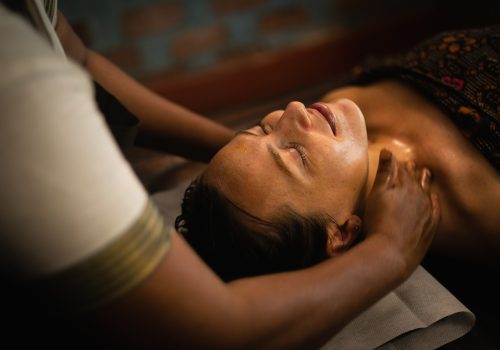
In selected cases, a qualified Ayurvedic physician may recommend mild, age-appropriate interventions. These may include external oil applications, gentle massage or carefully supervised nasal therapies, depending on the child’s condition and clinical need.
This should not be interpreted as support for routine Panchakarma in children.
Procedures involving strong purgation, emesis or other intensive cleansing are not suitable for casual or preventive use. They require specialist assessment and must be considered only where the expected benefit justifies the risk.
Parents should also inform the Ayurvedic physician about the child’s medical history, allergies, current medicines and any ongoing treatment from a paediatrician.
What about adolescents and young adults?
Adolescents may have greater physical tolerance than younger children, but age alone does not make intensive Panchakarma appropriate.
Growth, hormonal changes, nutritional status, menstrual health, emotional wellbeing and any underlying condition must be considered.
For healthy young adults, selected Panchakarma procedures may be considered when there is a clear clinical reason. Even then, the programme should be individualised.
A standard package based only on duration or age is not a substitute for a medical assessment.
Adults may tolerate more, but not everyone needs full Panchakarma
Adults are often described as the “ideal” age group for Panchakarma because they may have greater physiological reserve.
That does not mean every adult is suitable for all five procedures.
Someone with good strength, stable health and a clear therapeutic indication may be considered for a more structured programme. Another person of the same age may need only supportive therapies, dietary adjustment, rest and mild external treatments.
Panchakarma is also not automatically appropriate for people who are acutely unwell, severely depleted, dehydrated or recovering from a major medical event.
The aim is not to make the programme as intensive as possible.
The aim is to choose the least burdensome intervention that is clinically appropriate.
Can older adults undergo Panchakarma?
Older adults may undergo selected Ayurvedic therapies, but the approach usually needs greater restraint.
Ageing can affect strength, mobility, hydration, digestion, sleep and recovery. Older adults are also more likely to be taking multiple medicines or managing several health conditions at the same time.
For these reasons, gentler therapies may be more suitable than intensive cleansing.
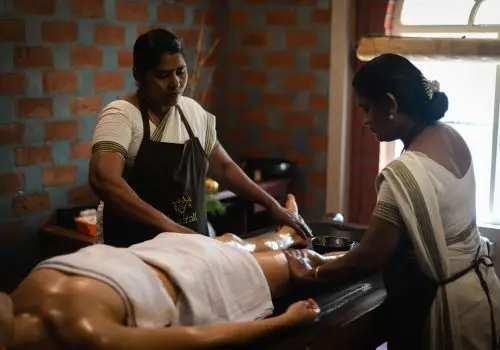
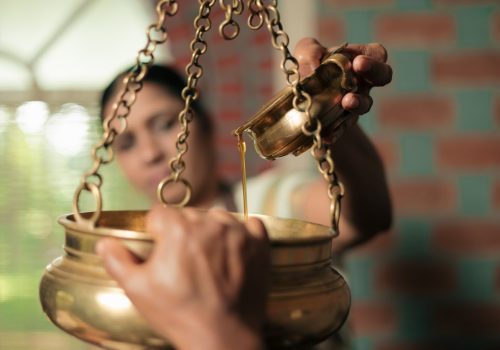
A physician may consider external oil application, mild basti, śirodhārā or other supportive procedures. The choice depends on the person’s condition, mobility, cardiovascular status, digestive capacity and overall resilience.
The word “gentle” should not be confused with “risk-free”. Even mild procedures can be unsuitable in certain circumstances.
Coordination with the person’s treating physician may also be necessary, particularly when there are concerns involving blood pressure, diabetes, heart disease, kidney function, anticoagulant use or recent surgery.
When Panchakarma may not be appropriate
Panchakarma should not be treated as a routine wellness activity for everyone.
A qualified practitioner may postpone, modify or avoid certain procedures in people who are:
- Acutely ill or feverish
- Severely weak or undernourished
- Dehydrated
- Pregnant
- Recovering from surgery
- Living with unstable cardiovascular disease
- Managing significant liver or kidney concerns
- Taking medicines that may affect hydration, blood pressure, bleeding or bowel function
This list is not complete. Suitability must be assessed individually.
The same principle applies to people travelling to Kerala for treatment. Long flights, jet lag, unfamiliar food, climate changes and recent illness can all affect readiness for an intensive programme.
A responsible centre should assess these factors before treatment begins.
What a proper Panchakarma assessment should include
Before a Panchakarma programme, the physician should take a detailed history.
This usually includes:
- Present symptoms and treatment goals
- Previous diagnoses
- Current medicines and supplements
- Past surgery or hospitalisation
- Digestion and bowel habits
- Sleep and energy
- Menstrual or reproductive health where relevant
- Previous experience with Ayurvedic therapies
- Physical strength and tolerance
The physician should also explain which procedures are being recommended, why they are being considered, what preparation is required and when the programme may need to be changed.
Consent matters. So does the patient’s ability to understand what the treatment involves.
Why supervised care matters
Panchakarma is sometimes marketed as though it were a fixed sequence of massages followed by a cleansing treatment.
That is not an adequate clinical model.
The procedures can affect digestion, bowel function, hydration, energy and recovery. They therefore require monitoring. The response to treatment should be reviewed daily, not assumed in advance.
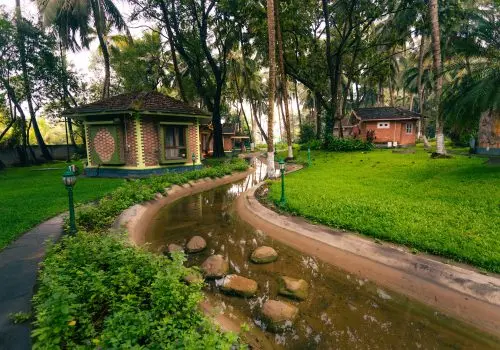
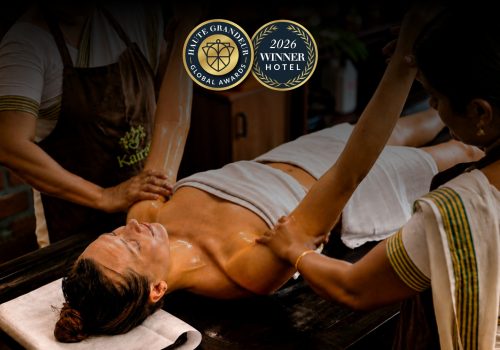
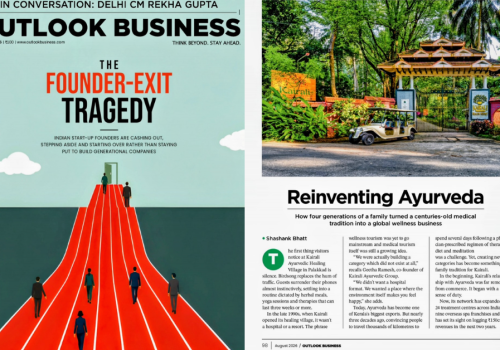
At Kairali -The Ayurvedic Healing Village in Palakkad, Panchakarma programmes are physician-led and conducted within an NABH-accredited Ayurvedic hospital setting.
That does not mean every guest receives an intensive cleansing programme. It means the programme can be modified according to age, strength, medical history and response.
For older guests, children and people with complex health needs, that ability to reduce, postpone or stop a procedure is especially important.
Panchakarma is not a standard detox package
The word “detox” suggests that the same process is suitable for anyone who wants to feel lighter or more energetic.
Ayurveda is more specific than that.
A person may need nourishment rather than cleansing. Another may need rest before any active procedure. A third may not be suitable for Panchakarma at all.
This is why age limits should not be turned into simple rules such as “under 16”, “16 to 60” and “over 60”. These categories may be useful for broad discussion, but they cannot replace clinical judgement.
The safest approach is personalised, conservative and supervised.
The practical answer
There is no universal age limit for Panchakarma.
Children, adults and older people may all be considered for selected Ayurvedic therapies, but the type and intensity must change according to the person’s strength, health status and clinical need.
Younger patients require greater caution. Healthy adults may tolerate more intensive procedures, but only when they are indicated. Older adults often need gentler, shorter and more closely monitored care.
The quality of the assessment matters more than the number on the birth certificate.
Website: www.ktahv.com
Call: +91- 9555156156
No. Suitability depends on health, strength, medical history and the specific therapy being considered, not age alone.
Only selected, mild therapies may be considered for children, and only under qualified medical supervision. Intensive cleansing procedures are not suitable for routine use.
It may be suitable for some older adults, but treatments often need to be gentler and more closely monitored. Existing conditions and regular medicines must be reviewed first.
No. Even healthy adults may not need all five procedures. The programme should be based on clinical need, strength and tolerance.
Panchakarma can affect digestion, hydration, energy and recovery. A proper assessment helps the physician choose the safest type and intensity of treatment.