















Travelling alone to an Ayurvedic retreat can sound appealing until one practical question appears: will the quiet feel restorative, or simply lonely?
For many solo travellers, the answer depends less on the number of people at the retreat and more on how the day is organised. Private consultations and therapies provide time alone, while meals, yoga sessions and shared spaces can create opportunities for conversation.
At Kairali, The Ayurvedic Healing Village in Palakkad, a solo stay is structured around an individual Ayurvedic programme. This naturally creates periods of privacy. It does not necessarily require complete isolation.
The most comfortable approach is usually to decide how much interaction you want and to ask about the current retreat schedule before you arrive.
Solitude and Isolation Are Not the Same
Ayurvedic residential care follows a regular daily rhythm.
The principle of dinacaryā (daily routine) places importance on consistent times for waking, eating, movement, rest and sleep. During a retreat, this structure can reduce the number of decisions a guest needs to make each day.
For a solo traveller, that rhythm can be reassuring. You know when consultations, therapies and meals are likely to take place, while the periods between them remain your own.
Solitude is chosen and restorative. Isolation feels imposed.
A well-planned solo retreat should leave room for both privacy and voluntary contact with other guests.
What a Solo Day May Look Like
The exact schedule depends on the programme prescribed by the Ayurvedic physician and on the activities available during the stay.
A typical day may include several kinds of experience.
Private Time
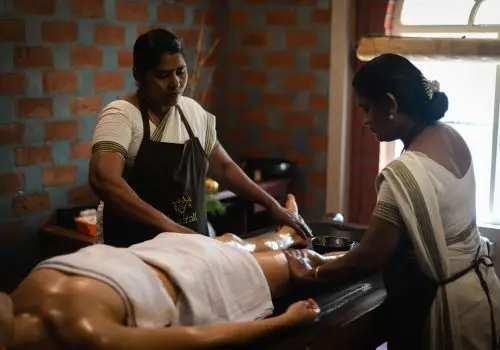
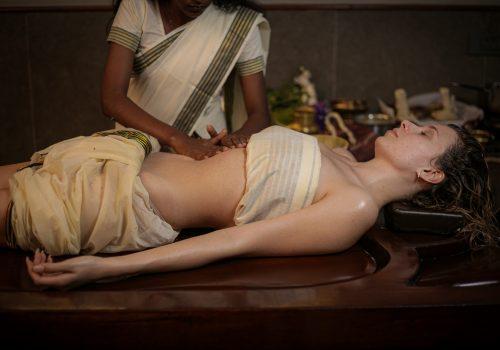
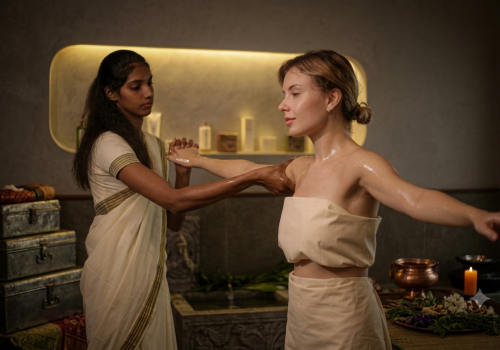
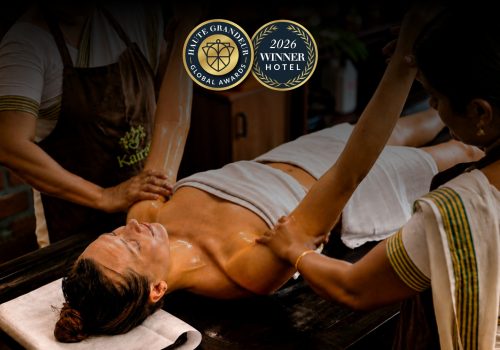
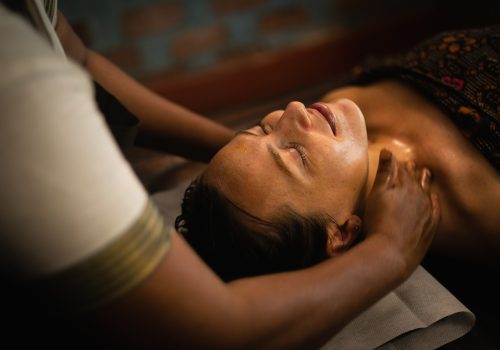
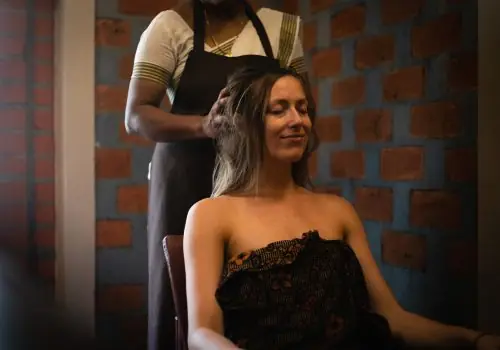
Physician consultations and most Ayurvedic therapies are conducted individually. Rest periods after treatment also give guests time to sleep, read or sit quietly.
This privacy can be useful for someone arriving after a demanding period of work, travel or family responsibility.
Shared Activities
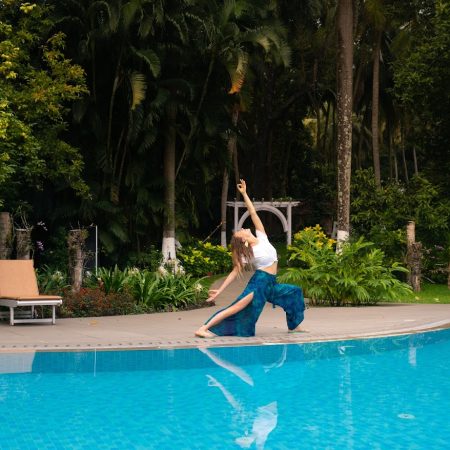
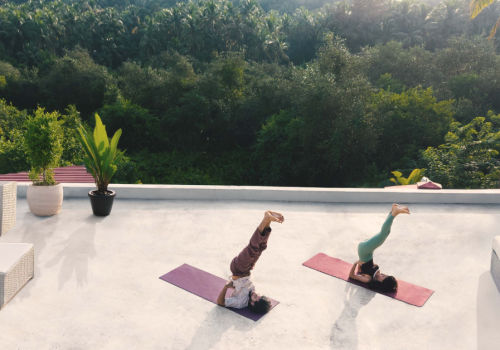
Depending on the retreat calendar, guests may have opportunities to join yoga, breathing sessions, talks, demonstrations or guided walks.
These settings tend to make conversation easier because there is already a shared activity. You do not have to enter a room and introduce yourself without context.
Mealtimes and Common Areas
Meals and common spaces may offer informal opportunities to meet other guests.
Some travellers enjoy communal tables. Others prefer to eat quietly or begin with a smaller table until they feel comfortable.
Prospective guests should ask the reservations team about current dining arrangements rather than assume that all meals are communal.
Choose One Social Anchor Each Day
Solo travellers do not need to make every part of the day social.
A simple approach is to choose one shared activity as the day’s social anchor. This might be a morning yoga session, a group walk or an evening talk.
The rest of the day can remain private.
This avoids two common problems. A completely empty schedule may begin to feel isolating, while joining every available activity can make a restorative stay feel unexpectedly demanding.
One point of connection is often enough to give the day some social shape.
How Conversation Develops Naturally
Retreat conversations rarely need elaborate introductions.
People already have several neutral subjects in common:
- The day’s yoga or movement session
- A dish served at lunch
- The climate in Palakkad
- A plant or spice noticed during a walk
- The experience of adapting to an earlier routine
Simple questions work better than personal ones.
You might ask:
“Have you tried the morning session?”
“Which dish did you enjoy today?”
“Is this your first visit to Kerala?”
These questions allow the other person to decide how much they want to share.
Solo Travel for Introverts
Introverts may enjoy the privacy of an Ayurvedic retreat but still worry about being placed in highly social settings.
It helps to make the experience manageable rather than forcing yourself to become more outgoing.
You might:
- Attend one shared activity each day
- Choose a seat at the edge of a group
- Allow quiet time after meals or therapies
- Keep evenings free for reading or rest
- Tell the guest-relations team that you prefer a quieter schedule
Being alone does not mean you are using the retreat incorrectly. A residential Ayurvedic programme is not a group holiday, and social participation should not be treated as compulsory.
Solo Travel for Extroverts
More social travellers may need to make a little more effort because much of an Ayurvedic programme is individual.
Ask which shared activities are scheduled during your stay. Attend meals or sessions at consistent times, since familiarity often makes conversation easier.
You can also ask whether there are talks, cooking demonstrations, garden visits or other group activities available.
The important point is to confirm what actually appears on the current programme. Retreat schedules can change according to season, occupancy and clinical priorities.
Safety and Comfort Questions to Ask
No retreat should be described as completely risk-free. Solo women should make practical checks before travelling, just as they would for any accommodation or medical-wellness stay.
Ask the property about:
- Room security
- Reception availability
- Lighting between rooms and common areas
- Transport from the airport or railway station
- Therapist assignment and privacy procedures
- Who to contact outside normal treatment hours
- Whether assistance is available when moving around the property after dark
Kairali follows therapist gender-matching procedures. Guests with specific preferences or concerns should still communicate them clearly before arrival and repeat them during the physician consultation or treatment briefing.
Any therapy should be explained beforehand, with appropriate draping, privacy and consent.
A Simple Three-Day Rhythm
The following is not a fixed Kairali schedule. It is one way a solo traveller might balance rest and contact, subject to the physician’s programme and the activities available.
Day One: Settle In
Begin with the consultation and orientation.
Keep the first day relatively quiet. Join one gentle shared activity only when you have the energy. Use the rest of the time to understand the property and establish your routine.
Day Two: Make One Connection
Choose one group session or shared meal.
You do not need to spend the entire day with another guest. A brief conversation can make the surroundings feel more familiar without reducing your privacy.
Day Three: Adjust the Balance
Notice how the previous day felt.
Join another activity when you want more company. Choose additional rest when you feel overstimulated. The balance can change from one day to the next.
Questions to Ask Before Booking a Solo Female Wellness Retreat in Kerala
The phrase “solo-friendly” can mean many things. Specific questions provide more useful information than a general assurance.
Before booking, ask:
- What shared activities are currently available?
- Are activities optional?
- What are the dining arrangements?
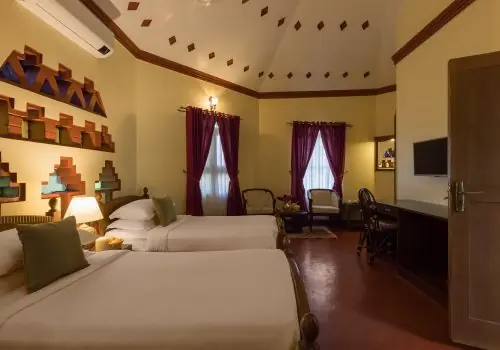
- Can I request a quieter room location?
- How is transport arranged?
- Can I request a female therapist?
- Who can I contact during the evening?
- Is there an orientation for first-time guests?
- How much unstructured time is included in the programme?
The answers will help you decide whether the retreat offers the right balance for you.
Will You Feel Lonely?
You may experience moments of loneliness. That is possible during any solo trip, and a responsible retreat should not promise otherwise.
But quiet does not automatically become isolation.
At a structured Ayurvedic retreat, consultations, meals, staff contact and optional activities can provide regular points of connection. Private therapies and rest periods then allow you to return to your own space.
The more useful question is not whether you will be alone. You will be alone for parts of the day.
The question is whether you will have enough choice.
For solo women considering a wellness retreat in Kerala, the strongest signs are clear schedules, responsive staff, practical safety information and shared spaces that can be entered or left without pressure.
That balance allows solitude to remain what it should be: time that belongs to you.
Website: www.ktahv.com
Call: +91-9555156156