










Planning a solo trip to India is equal parts exhilaration and decision‑making—especially when you’re comparing Kerala, Rajasthan, Delhi and Goa. Your first filter is usually safety: Where will I feel calm, confident and free to explore on my own? This guide answers that question with a clear, data‑aware comparison and practical, ground‑tested steps that make solo travel feel easier day to day.
Kerala often feels safer for solo women because of its literacy‑led civic culture, strong public health systems, visible tourist support, and a mature Ayurveda‑first travel ecosystem that naturally keeps most activities in daylight, structured settings. By contrast, Delhi rewards guided, corridor‑based exploration; Rajasthan shines with heritage but needs crowd‑aware planning; Goa is relaxed yet demands nightlife‑specific vigilance.
The Safety Picture in Plain Language
What the numbers say: Official crime rates are not a perfect mirror of lived experience, yet they’re a useful compass. Kerala consistently reports strong charge‑sheeting efficiency (cases progressed to chargesheet), robust tourist support systems, and ongoing women’s safety initiatives. Meanwhile, Delhi and certain Rajasthan districts show higher rates in specific categories; Goa’s nightlife zones shape risk patterns more than day travel.
Fast Data Snapshot (to orient your planning)
| Indicator (latest official sets) | Kerala | Delhi (NCT) | Rajasthan | Goa |
|---|---|---|---|---|
| Crimes against women — rate per lakh women (recent NCRB sets) | ~86 | ~134 | ~115 | lower absolute numbers; concentrated by district |
| Chargesheeting rate (IPC, indicative of follow‑through) | High (90%+ in leading cities) | Mixed | Mixed | High |
| Public transport women‑friendly features | Kochi Metro women‑friendly compartments, ferry network, buses | Extensive metro; choose routes/times wisely | Intercity rail excellent; intra‑city varies | Buses/taxis; plan night rides |
| Tourism Police presence | Visible at key sites | Major hubs | Major hubs | Major hubs |
| Wellness infrastructure | Deep Ayurveda ecosystem | Excellent hospitals; spa‑centric | Resort spas widely available | Spa + beach wellness |
What the ground feels like: In Kerala, public spaces skew more community‑used (families, local walkers), with early mornings dominated by fitness groups and temple/mosque/church goers. Women frequently use buses and metro (Kochi) in daylight. Vendors and homestays are used to international guests year‑round.
Why Kerala Often Feels Safer for Solo Women
1) Culture of Education & Public Health
Kerala’s near‑universal literacy and strong primary healthcare culture foster everyday helpfulness: people read signage, respond to helplines, and are comfortable guiding travellers. This shows up in everything from clear bus‑stop instructions to hotel registration norms.
2) Tourism Infrastructure That Acknowledges Women Travellers
- Tourism Police & Help Desks: Kerala posts trained tourism police at major sites, transit nodes and select beaches; many speak multiple languages.
- Woman‑Friendly Tourism Interventions: Gender & safety audits at tourist locations, better lighting, clearer way‑finding, and vetted vendor networks.
- Kochi Metro & Ferries: Predictable schedules, CCTV coverage, and women‑friendly compartments in busy hours create a smoother urban day.
3) Predictable Rhythms, Nature‑First Itineraries
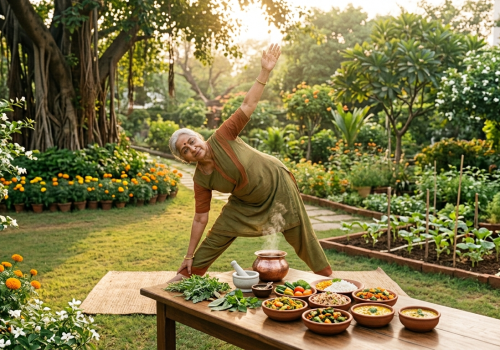
Backwaters, hill stations, heritage towns and Ayurveda centres set a slower cadence. When your daily plan revolves around yoga, therapies, nature walks and clean food, late‑night exposure is naturally limited.
4) The Ayurveda Advantage
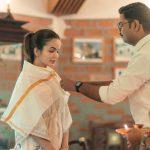
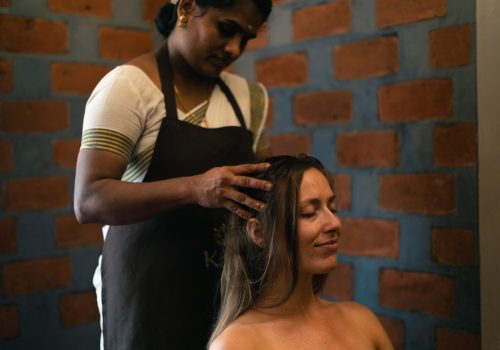
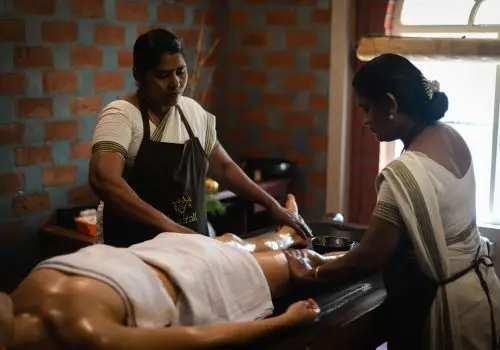
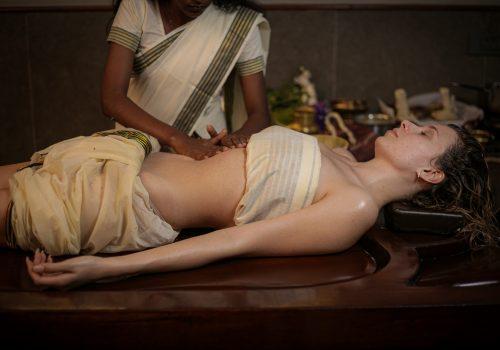
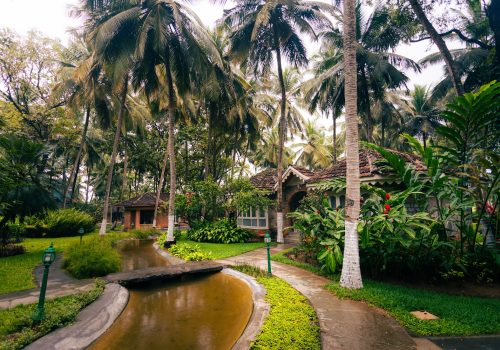
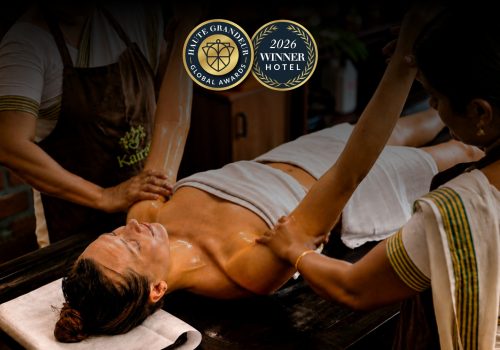
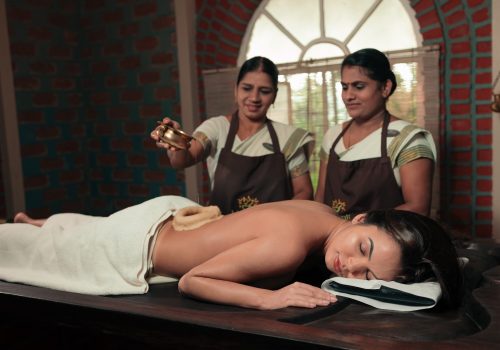
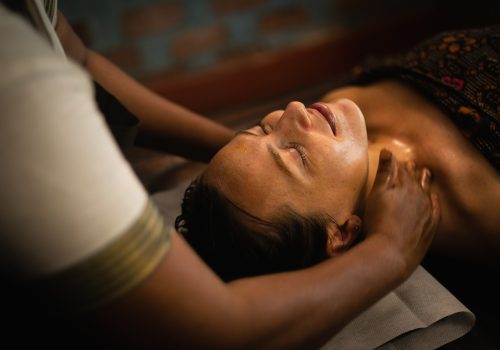
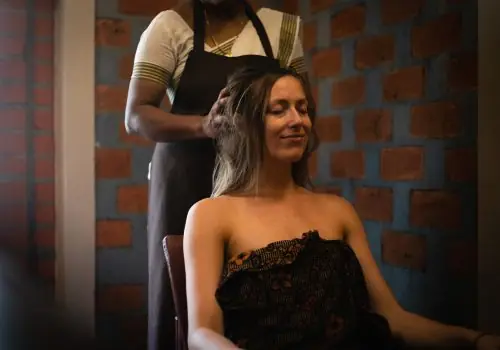
Kerala is the cradle of classical Ayurveda practice. Reputable centres operate like healthcare facilities with intake forms, doctor consults, daily vitals, and women‑first protocols (lady therapists, chaperoned transfers, privacy‑forward rooming). A solo female digital detox retreat in Kerala isn’t just spa‑time—it’s structured rest with accountability.
State‑by‑State: How Kerala Compares
Kerala
Best for: Wellness‑led itineraries, nature, culture, marine backwaters; slow travel.
What’s different:
- Visible tourist police presence at popular sites and beaches.
- Mature Ayurveda ecosystem with medical oversight; many centres have on‑call doctors and 24/7 front desks.
- Community spaces open early; daylight sightseeing fits naturally.
- Strong homestay network vetted by Kerala Tourism; family‑run stays are common.
Solo moves that work:
- Base yourself in two hubs (e.g., Palakkad/Kottayam for Ayurveda + Kochi/Kumarakom for culture/backwaters).
- Use pre‑booked transfers from reputable operators; lean on hotel/retreat travel desks for verified drivers.
Delhi (National Capital Territory)
Best for: Museums, food tours, bazaars, monuments, craft walks.
Safety reality:
- Risk varies sharply by neighbourhood and hour. Daylight, guided experiences and metro‑linked corridors are your friends.
- After dark, rely on hotel cars or rideshares you can track and share; confirm driver plate before boarding.
- Consider women‑only group walks and heritage experiences to keep the social buffer.
Kerala vs Delhi in one line: Delhi is superb for curated culture with a guide; Kerala lets you linger, solo, without always needing one.
Rajasthan
Best for: Forts, palaces, stepwells, desert camps, textiles, folk music.
Safety reality:
- Tourist economies are well‑oiled in Jaipur, Udaipur and Jodhpur; however, festival surges and monument throngs can invite petty harassment.
- Desert trips are magical—book with operators that use documented staff, registered vehicles, and gender‑sensitive camp protocols.
- Dress for sun and respect; carry a scarf or light dupatta in conservative pockets.
Kerala vs Rajasthan in one line: Rajasthan is unforgettable heritage; Kerala is heritage plus healthcare‑grade wellness that quietly reduces night exposure.
Goa
Best for: Beaches, creative cafés, Indo‑Portuguese architecture, slow cafés, music.
Safety reality:
- Most issues concentrate around nightlife strips. Beach walks are best at sunrise and early evenings; avoid isolated stretches after dusk.
- Verify cocktails and keep drinks in sight; pre‑book rides for late hours; favour well‑reviewed stays with CCTV and 24/7 staff.
- South Goa is generally calmer than crowded North beach belts; inland villages can be wonderfully serene.
Kerala vs Goa in one line: Goa is a great beach holiday with a party option; Kerala is a nature‑wellness immersion with calmer nights and more uniform support services.
Planning a Safe & Restorative Solo Itinerary in Kerala (7–10 Days)
Option A: Ayurveda‑First Reset (Digital Detox)
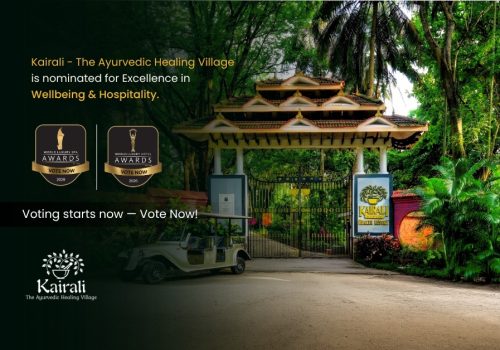
Where: Kairali – The Ayurvedic Healing Village, Kerala (Palakkad)
Flow (7 nights):
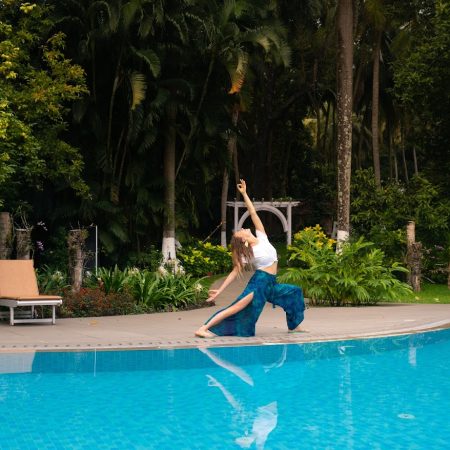
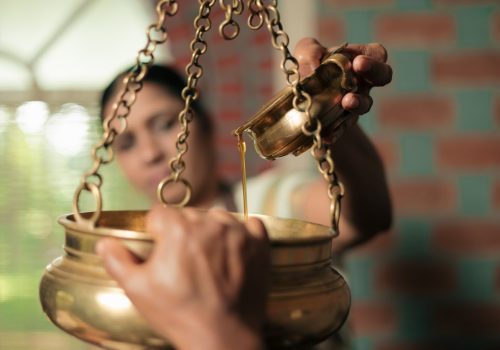
- Day 1–2: Doctor consultation; dosha‑based meals; gentle Abhyanga (oil massage) and Shirodhara to down‑shift; unpack screens with guided digital boundaries.
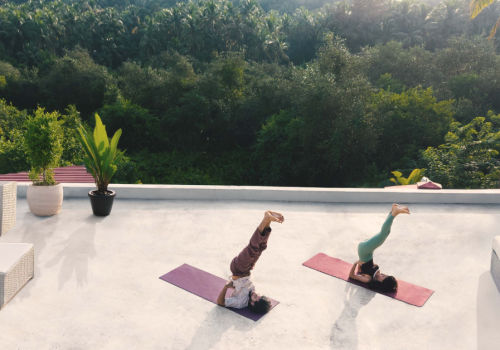
- Day 3–4: Morning yoga; nature walks within the property; afternoon steam and localized therapies; mindful journaling.
- Day 5–6: Forest‑bath style walks; optional cooking demo on sattvic food; evening yoga nidra; early lights‑out.
- Day 7: Exit consult + home routine; airport drop with verified driver.
Who it suits: First‑time India visitors seeking a solo female digital detox retreat Kerala with clinical oversight.
Option B: Balanced Wellness + Culture (10 days)
- Days 1–5: Kairali – The Ayurvedic Healing Village Kerala for preventive therapies; optional women‑only yoga classes.
- Days 6–8: Kumarakom or Alleppey backwaters (houseboat by day, resort stay by night for security); village canoe at sunrise; responsible craft visits.
- Days 9–10: Fort Kochi heritage and café walks; Kochi Metro day‑use; sunset ferry, early dinner.
Add‑ons: Munnar tea trails (daylight returns), Athirappilly waterfalls (avoid late solo hikes).
How We Operationalise Safety at Kairali (So You Can Relax)
- Verified pickups: Pre‑shared driver details; route tracking; helpline pre‑brief.
- Women‑first scheduling: Doctor consults in daylight; night‑time quiet hours; lady therapists by default unless you request otherwise.
- On‑site security & CCTV: 24/7 front desk, controlled access, and campus lighting.
- Cultural briefings: Dress norms, festival timings, and local etiquette covered at check‑in.
- Medical governance: AYUSH‑registered physicians; documented consent; daily vitals for therapeutic plans.
- Digital detox protocols: Wi‑Fi “quiet windows,” journaling prompts, and optional phone vaulting for a genuine reset.
Practical Safety Checklist (Save/Share)
Documents & Money:
- Passport copy + e‑visa print; local SIM or eSIM with data pack.
- Split payment methods: one card in day pouch, one in hotel safe.
- Enable device tracking; set up emergency SOS on your phone.
Daily rhythms:
- Start early; wind down by 9–10 pm.
- Prefer busy, well‑lit streets; avoid isolated beachfronts after dusk.
- Dress breathable and modest in rural/faith sites (scarf helps).
Transport:
- Pre‑book airport/station transfers; share live location with a contact.
- Use metro/rail in daylight where possible; at night, hotel cars or well‑rated app cabs only.
- Sit behind the driver, keep a door unlocked, and know the route basics.
Stays & Therapies:
- Choose properties with 24/7 staffed reception, CCTV, and women‑friendly policies.
- For Ayurveda, verify medical registration, intake process and daily review.
- Confirm lady therapists and therapy room privacy.
On the go:
- Keep drink in sight; say a firm “no” to unsolicited help.
- Learn one local emergency phrase (Malayalam/Hindi); store 181 (women), 112 (emergency), and your property’s number.
- Use a cross‑body pouch; carry a small torch after dusk.
Bonus packing list:
- Light scarf/dupattah; quick‑dry layers; temple socks; refillable bottle; small first‑aid; laminated ID copy; power bank.
What Makes Kerala Different — Beyond Numbers
- Everyday civility: Queueing norms, patient bus lines, and staff trained to escalate issues promptly.
- Faith‑dense landscape with early‑morning public life; empty streets at midnight are rarer outside nightlife zones.
- Responsible Tourism Mission: Community‑run experiences that keep visitors embedded in village life—safer, more authentic, more women‑led micro‑enterprises.
- Food that supports rest: Light, seasonally spiced meals reduce travel fatigue and improve sleep quality.
- Language comfort: High English proficiency in tourism belts; signage at major nodes in English + Malayalam.
FAQs Solo Women Ask Us (Real Questions)
Q. Can I go completely solo without a guide?
Yes—especially in Kerala—if you stick to daylight sightseeing, vetted vendors and wellness‑first routines. For Delhi or crowded Rajasthan monuments, guided half‑days reduce friction.
Q. Is Goa unsafe for solo women?
No blanket labels. Daylight in villages and heritage quarters feels relaxed; extra care is needed around nightlife strips. Choose calm beaches and wrap evenings early.
Q. I’m new to Ayurveda. Will I be pressured into “heavy detox”?
Never at a reputable centre. At Kairali, doctors calibrate plans around your energy, menstrual cycle, and travel schedule. Restorative therapies first; deeper detox only if/when you want it.
Q. Can I work remotely during a retreat?
You can, but for a solo female wellness retreat Kerala experience that actually resets you, we recommend scheduled “Wi‑Fi windows” or a full solo female digital detox retreat Kerala approach for 5–7 days.
How to Choose the Best Ayurveda Retreat for Solo Women (Anywhere in India)
- Medical credibility: AYUSH registration, on‑site doctors, documented consent.
- Women‑first SOPs: Lady therapists; chaperoned late transfers; secure campus.
- Transparent itineraries: Daylight activities; realistic therapy load; nutrition support.
- Community integration: Responsible village experiences; women‑led craft visits.
- Reviews that mention safety: Look for praise of staff responsiveness and night protocols.
Shortlist: For many travellers, the best ayurvedic retreat in kerala is the one that feels medically grounded and emotionally safe. That’s our north star at Kairali Ayurvedic Health Village Kerala.
Sample Day at Kairali Ayurvedic Health Village Kerala (Solo Edition)
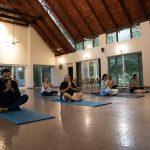
- 6:30 am: Gentle yoga + breathwork
- 7:30 am: Herbal tea; guided journaling
- 8:30 am: Doctor check‑in; personalized therapies
- 12:30 pm: Dosha‑aligned lunch
- 2:00 pm: Forest walk/reading time (digital‑free)
- 4:30 pm: Shirodhara or Abhyanga
- 6:00 pm: Sunset meditation
- 8:00 pm: Early dinner; lights‑out hygiene
Ready for Your Kerala Solo Reset?
Kerala is where solo travel turns into self‑trust in motion—calm mornings, structured wellness, and a community that quietly looks out for you. If you’re weighing Rajasthan, Delhi, or Goa, begin in a state designed to support women on the move: verified airport pickups, lady therapists, doctor‑led routines, and daylight‑first itineraries. Reserve 7–10 nights at Kairali – The Ayurvedic Health Village Kerala—widely regarded among the best ayurvedic retreat in kerala for solo women—and we’ll align therapies, transfers, and culture days to your comfort zone. Book a free doctor consultation call now and let us craft a safe, nourishing solo female wellness retreat Kerala that fits your pace, your goals, and your independence.
Website: www.ktahv.com
Call: +91-9555156156