














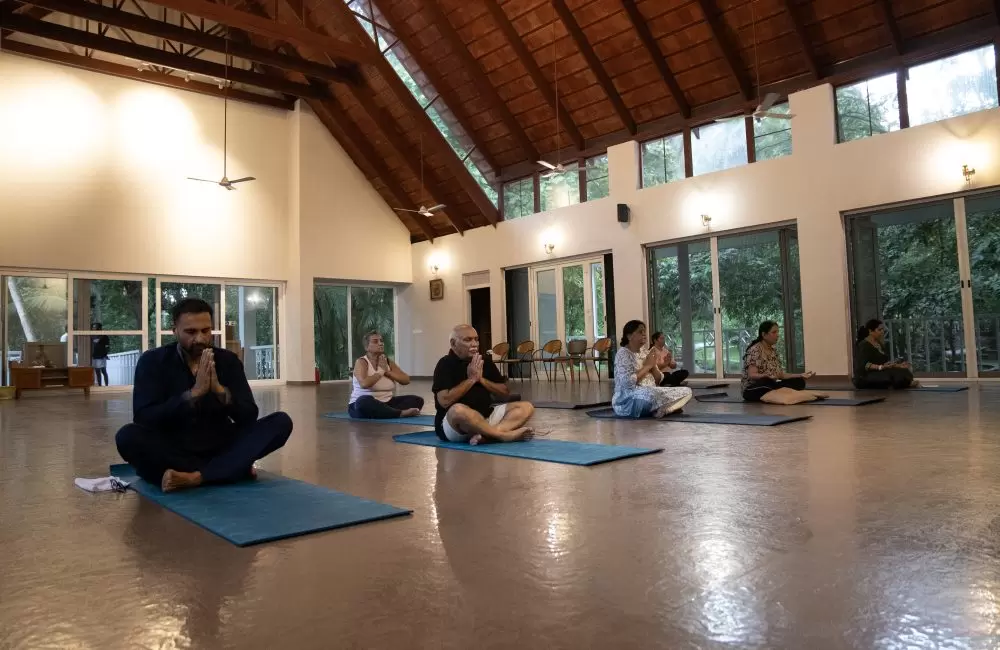
India is a cradle of yoga and traditional healing, but the wellness boom can blur boundaries. This guide is a clear, practical companion for solo travellers and retreat-goers who want the benefits of yoga, Ayurveda and bodywork—without compromising consent, safety, or cultural respect. You’ll learn how scope of practice works, what informed consent looks like on the ground, the red flags to avoid, and the helplines to save before you book a yoga and meditation retreat or a Holistic wellness retreat.
Consent 101: The non‑negotiables
Informed consent means you understand what will happen to your body and data, you agree freely, and you can withdraw at any time without penalty. For yoga classes, Ayurveda therapies, physiotherapy, massage, or breathwork, you should expect:
- Plain-language explanation of the session: goals, techniques, duration, areas of the body involved, expected sensations, and options if you’re uncomfortable.
- Choice about touch: opt-in consent for adjustments or bodywork, with the right to change your mind mid-session.
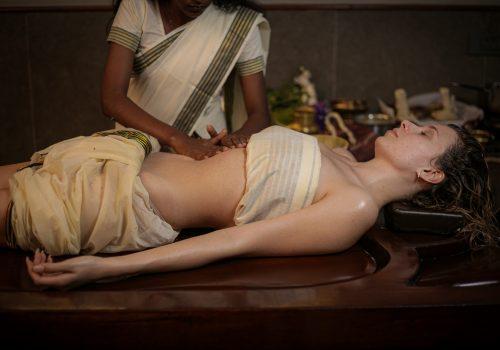
- Privacy & dignity: appropriate draping, same‑gender therapist on request, private changing areas, and doors that can be opened quickly in an emergency.
- Data consent: how your intake form, health data, and photos—if any—are stored and who can access them.
- Right to stop: you can pause or terminate a session—no questions, no pressure.
Pro tip: Give “situational consent,” not blanket consent. For example: “I’m okay with verbal cues and light shoulder adjustments in standing poses, but no hip or chest contact.”
Scope of Practice: Who does what (and what they don’t)
Different practitioners have different competencies. Understanding scope of practice keeps you safe and prevents unrealistic expectations.
- Yoga teacher/instructor: Guides movement, breath, meditation and relaxation techniques. Not a medical professional. Should avoid diagnosing, prescribing medication, or claiming cures. Hands-on adjustments are optional and only with explicit consent.
- Ayurveda physician (BAMS/MD-Ayurveda): A licensed doctor of traditional medicine. May perform diagnosis according to Ayurveda and prescribe therapies/herbs within that system; will refer you to emergency/allopathic care when needed.
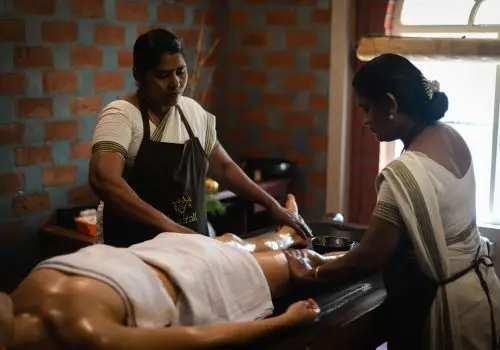
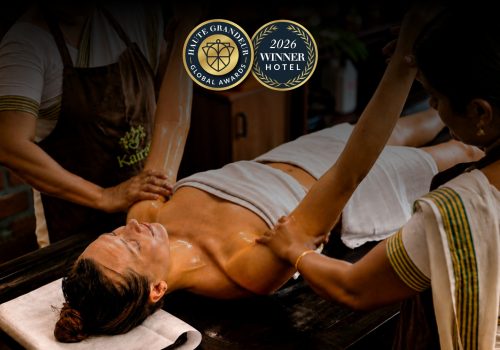
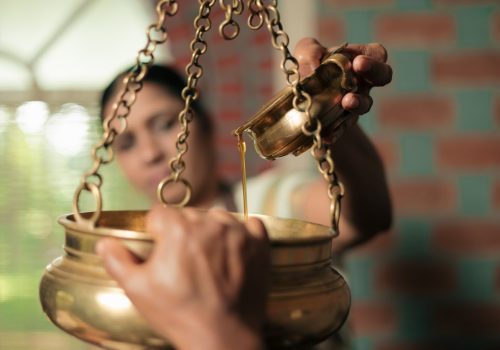
- Panchakarma therapist/technician: Delivers therapies (e.g., Abhyanga, Shirodhara) under a doctor’s prescription in licensed facilities with clear SOPs and draping norms.
- Spa/massage therapist (non-medical): Provides relaxation/bodywork techniques; must disclose qualifications; should never present services as sexualized or claim medical cures.
- Physiotherapist (BPT/MPT): A regulated, clinical professional focused on rehabilitation and function. Works with assessment, exercise therapy, and manual techniques.
If a centre presents a practice that blurs therapeutic, spiritual, and sexual boundaries—or promises miracle outcomes—step back and reassess.
Cultural Context: Respect that enhances safety
- Dress and setting: Modest, breathable clothing is appreciated in mixed or rural settings; a scarf/dupatta helps for temple visits.
- Language of touch: Teachers may default to minimal touch or consent cards; when in doubt, say, “Verbal cues only, please.”
- Photography: Ask permission before filming classes or therapists; many centres prohibit cameras in therapy areas.
- Timing: India’s public life skews early. Prioritise daylight for commutes; schedule sessions so you return before late night.
Red Flags Checklist (avoid these)
- Pressure to undress beyond what the therapy requires; vague draping.
- Refusal to explain techniques, contraindications, or therapist credentials.
- Claims of guaranteed cures; advice to stop prescribed medication without consulting your physician.
- Non-consensual or sexualized touch blurred as “energy work” or “tantra.”
- Locked rooms without clear emergency exits; no female staff option when requested.
- Payment demanded before you see a written plan or intake form; hidden add-ons.
- No receipts, no registration, no grievance pathway.
Gut check: If the language, space, or staff behavior makes you uneasy, you owe no explanation for leaving.
Booking a Retreat in India: A due‑diligence script
Before committing to any yoga and meditation retreat, Holistic wellness retreat, or yoga retreat in kerala, ask these questions by email or message and keep the replies:
- Credentials & supervision: Who leads the program? Are Ayurveda therapies supervised by a registered physician?
- Consent & touch: Do you use opt‑in consent for adjustments? Can I change my preference mid‑class?
- Draping & privacy: What are the draping protocols for oil therapies? Are there private changing areas?
- Gender options: Can I request a same‑gender therapist/instructor?
- Safety & transport: Do you provide verified transfers for early/late arrivals?
- Medical considerations: How do you handle injuries, menstruation, pregnancy, or chronic conditions?
- Data & privacy: How is my medical intake stored? Who has access?
- Policies: What are your cancellation and grievance procedures?
- Daily rhythm: What time do sessions start/end? Is there free time during daylight for walks?
- Local context: Are there nearby clinics, pharmacies, and helplines posted on site?
Designing a Safer Day (any city, any centre)
- Front‑load energy: Do active classes and sightseeing in the morning; keep evenings for gentle movement or meditation.
- Door‑to‑door after dark: In cities, use app cabs or hotel cars for night returns; avoid isolated lanes.
- Hydrate & refuel: Regular meals and water improve judgment and reduce fatigue.
- Set boundaries early: Tell your teacher/therapist what is and isn’t okay for touch and intensity.
- Keep copies: Passport/ID copy in a separate pouch; digital copies on your phone.
Kerala-specific notes (if you’re Kerala‑curious)
Kerala’s wellness ecosystem is mature and generally daylight‑oriented—useful if you’re comparing states. When shortlisting the best retreat in kerala, look for:
- On‑site Ayurveda physicians for any clinical therapy.
- Women‑friendly SOPs (lady therapists, privacy‑first draping, escorted transfers on request).
- Clear daily schedules that taper by early night.
- Transparent reviews that praise staff responsiveness and safety practices.
This is not a ranking; it’s a filter to help you identify centres where structure supports safety and consent.
If Something Feels Off: A calm response plan
- Pause the session and state your boundary: “Stop, I’m uncomfortable. No more touch.”
- Exit the room if needed; ask for a manager/supervisor.
- Write down details (names, time, location). Photograph signage if appropriate.
- Contact support: friend/hotel front desk; if serious, call 112 or the relevant women’s helpline (1091/181).
- Report to management and, if warranted, local authorities. Keep copies of receipts and messages.
FAQs
Is it normal for yoga teachers in India to give hands‑on adjustments?
It varies. Many teachers use minimal touch or opt‑in cards. You can always request verbal cues only.
Are Ayurvedic oil therapies appropriate during menstruation?
Some are, some aren’t. Inform the physician/therapist; they’ll modify or postpone as needed.
What about “tantra” offerings?
Traditional Tantra is not a euphemism for sexual services. Any sexualized offer framed as spiritual healing is a red flag—decline and leave.
How do I choose a yoga retreat in kerala responsibly?
Ask the due‑diligence questions above, prioritise daylight schedules and clear SOPs, and read multiple reviews that mention safety and respect.
Takeaway
A respectful, consent‑first approach makes yoga and bodywork in India both safer and richer. Learn the scopes, ask for clarity in writing, set your boundaries, and save the helplines. Whether you’re exploring a Holistic wellness retreat, a yoga and meditation retreat, or shortlisting the best retreat in kerala, these practices protect your body, your privacy, and your peace of mind.
Website: www.ktahv.com
Call: +91-9555156156
About the Author
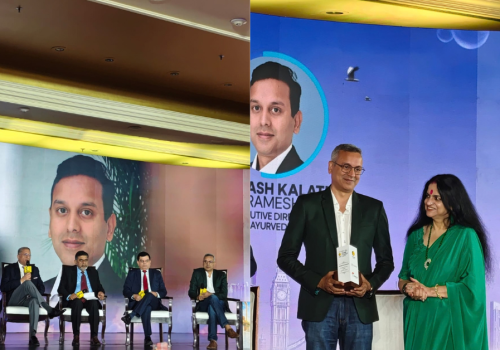
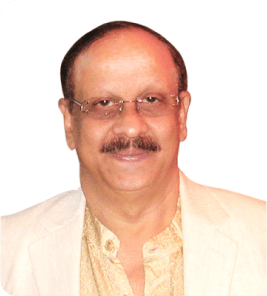
K.V. Ramesh, the Managing Director of Kairali Ayurvedic Group, stands as a pioneering force in the global revival and modernization of authentic Ayurveda. With a visionary approach rooted in tradition, he has led the brand to international acclaim while preserving the ancient wisdom of India’s 5,000-year-old healing system. Under his dynamic leadership, Kairali Ayurvedic Group has expanded its footprint across wellness resorts, Ayurvedic centers, product manufacturing, education, and medical services—making Ayurveda accessible, respected, and relevant in modern times.
A firm believer in Ayurveda as a lifestyle science rather than just a treatment system, Mr. Ramesh has been instrumental in conceptualizing and executing the acclaimed Kairali – The Ayurvedic Healing Village, a NABH-accredited Ayurvedic hospital and holistic retreat in Kerala. This award-winning retreat blends sustainable architecture, traditional Panchakarma therapies, yoga, and personalized wellness programs. His leadership emphasizes quality, authenticity, and scientific validation—key principles that have helped Kairali earn certifications, global trust, and recognition from wellness institutions around the world.