





















Psoriasis is a long-term inflammatory skin condition that can affect far more than the skin. Persistent itching, scaling and discomfort may disrupt sleep, influence clothing choices and place considerable strain on emotional wellbeing.
There is no single approach that works for everyone. Some people therefore explore Ayurveda alongside the care provided by their dermatologist, particularly when they want greater support with diet, daily routines, stress and other factors that may influence how they experience the condition.
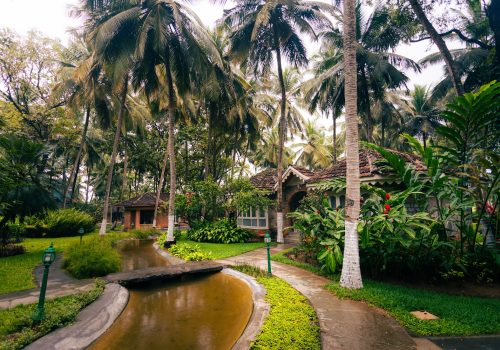
At Kairali, The Ayurvedic Healing Village in Palakkad, Kerala, psoriasis programmes are planned by Ayurvedic physicians following an individual consultation. The aim is not to promise a cure or replace necessary medical care. It is to provide a structured setting in which the person’s broader health, routines and constitutional patterns can be assessed.
How Ayurveda Understands Psoriasis
Ayurveda does not view a skin condition in isolation. An Ayurvedic assessment may consider digestion, appetite, sleep, stress, bowel habits, climate, diet and the individual’s prakṛti (constitutional profile).
Skin symptoms may be interpreted through patterns involving Pitta and Kapha doṣa, although the assessment differs from one person to another. Treatment planning is therefore not based only on the visible appearance of the skin.
This differs from the simplified idea that every person with psoriasis should receive the same herbal oil, diet or cleansing procedure. In responsible Ayurvedic practice, recommendations are adjusted according to the individual’s symptoms, strength, medical history and response to treatment.
What May Be Included in a Retreat Programme
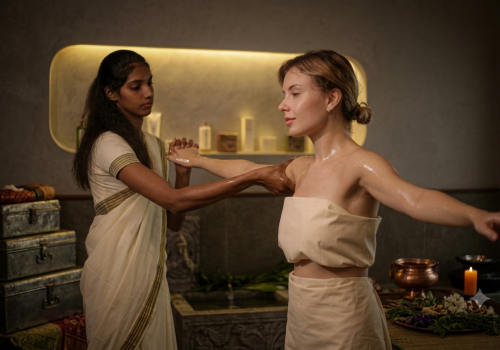
Following an assessment, an Ayurvedic physician may recommend a combination of supervised therapies, dietary changes and daily routines.
Depending on the individual, the programme may include:
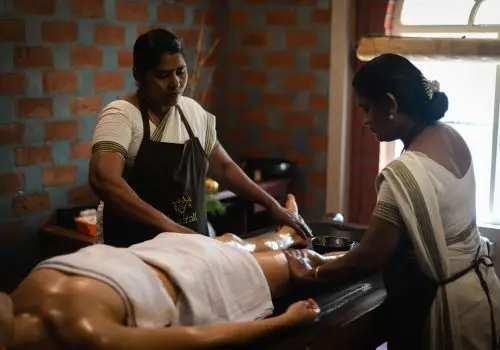
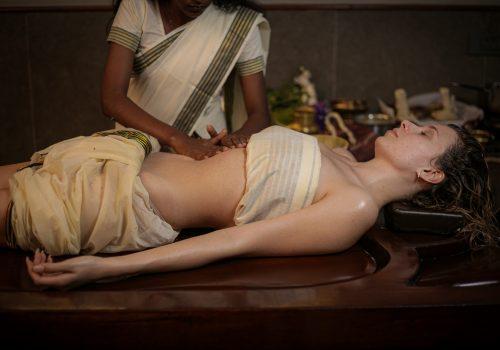
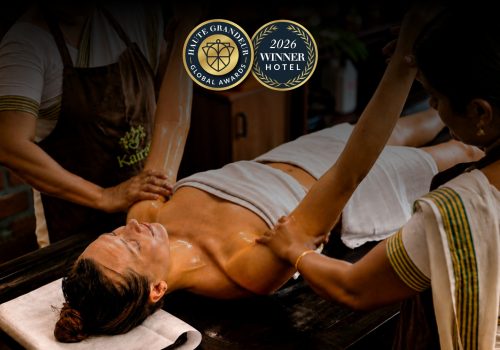
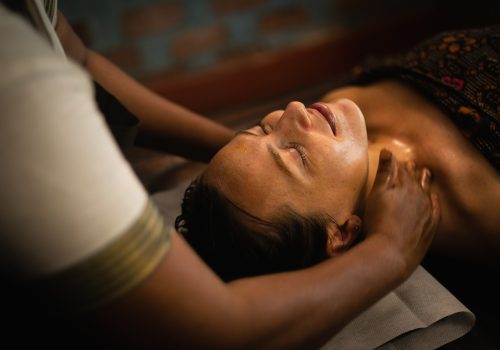
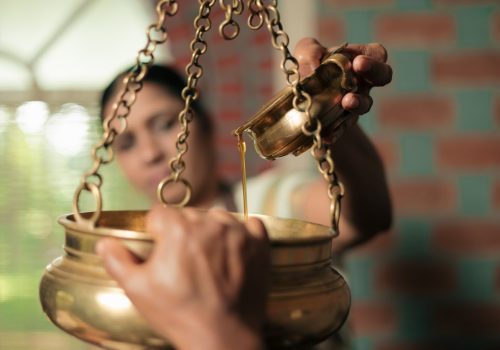
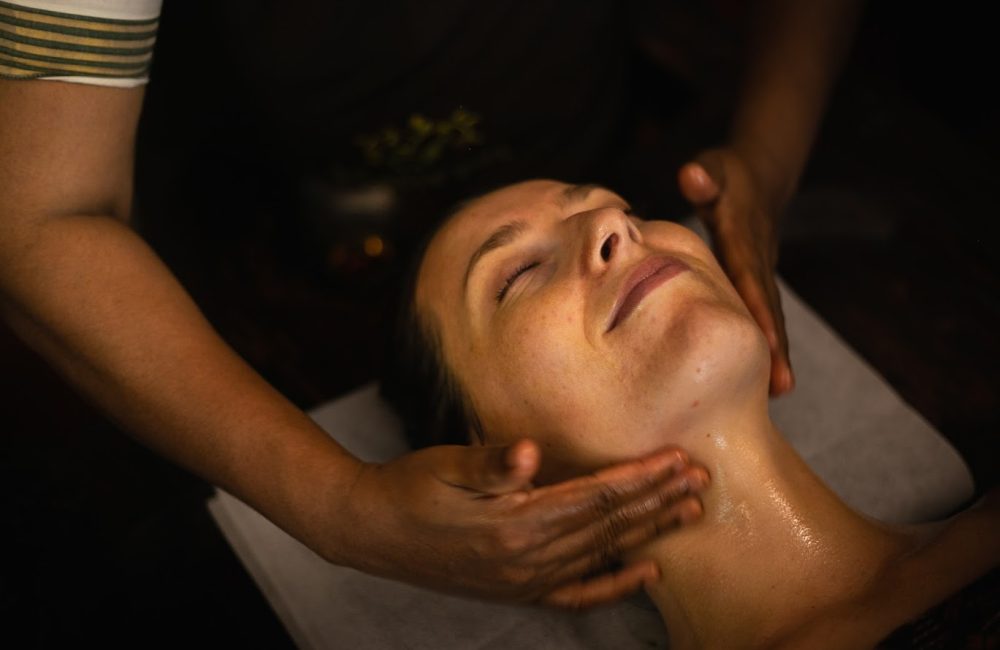
- External therapies using physician-selected Ayurvedic oils or herbal preparations
- Dietary guidance based on digestive capacity and current symptoms
- Internal Ayurvedic medicines prescribed and monitored by a qualified practitioner
- Selected Panchakarma procedures when clinically appropriate
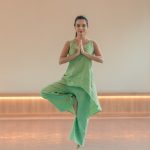
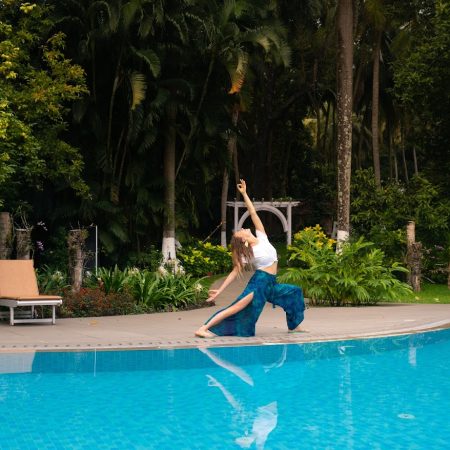
- Yoga, breathing practices or meditation adapted to the guest’s condition
- Guidance on sleep, stress, movement and everyday routines
Not every guest will require the same therapies. Some procedures may be inappropriate during an active flare or in the presence of other health conditions. This is why clinical assessment and ongoing supervision are essential.
Why the Retreat Setting Matters
A residential Ayurvedic programme creates conditions that can be difficult to reproduce at home. Meals, therapies, rest and daily routines can be coordinated within a consistent schedule, while physicians are able to monitor how the person responds.
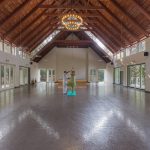
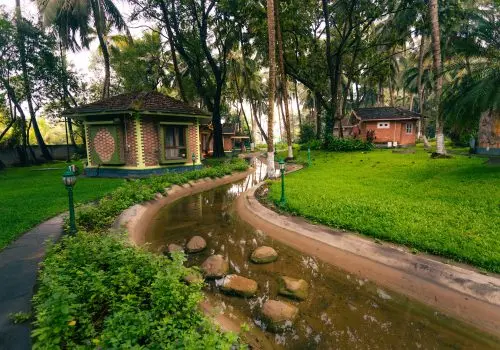
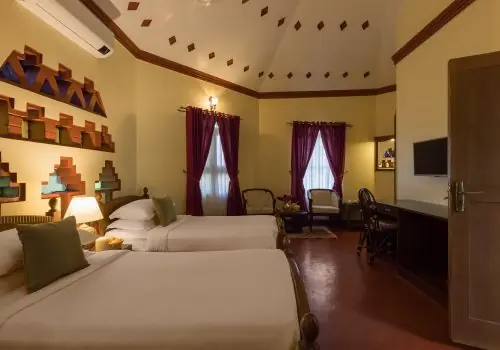
At Kairali’s Palakkad property, treatment takes place within an NABH-accredited Ayurvedic hospital setting. The residential environment also allows guests to step away temporarily from irregular meals, disrupted sleep and demanding schedules.
The setting itself should not be mistaken for the treatment. Its value lies in supporting consistency and making close clinical observation possible.
Psoriasis Care Requires Realistic Expectations
Psoriasis is a chronic condition, and Ayurvedic care should not be presented as a guaranteed or permanent solution. Responses vary according to the type and severity of symptoms, general health, adherence to the programme and other individual factors.
It is equally important not to discontinue prescribed medication or dermatological treatment without consulting the relevant medical professional. Ayurveda is best considered as part of a coordinated approach, particularly for people with extensive symptoms, joint pain, infections or other medical concerns.
A responsible programme should also explain what can be continued safely after the retreat. This may include dietary recommendations, daily routines, stress-management practices and physician-prescribed formulations, with appropriate follow-up.
Questions to Ask Before Choosing an Ayurvedic Programme
Before booking residential care for psoriasis, prospective guests should ask:
- Will an Ayurvedic physician conduct the initial assessment?
- Are treatments prescribed individually or offered as a standard package?
- Is the programme supervised throughout the stay?
- How are existing medications and medical conditions considered?
- What follow-up guidance is provided after departure?
- What qualifications and clinical standards does the facility maintain?
These questions help distinguish physician-led Ayurvedic care from general wellness or spa programmes.
A Structured, Individualised Approach
For people exploring Ayurveda for psoriasis, a retreat can offer time, clinical supervision and a more consistent daily routine. At Kairali, The Ayurvedic Healing Village, the approach is based on individual assessment rather than a fixed protocol or promised outcome.
The most useful starting point is a consultation with a qualified Ayurvedic physician, undertaken alongside appropriate dermatological care. This allows the person to understand what Ayurveda may reasonably contribute, where its limitations lie and whether residential treatment is suitable for their circumstances.