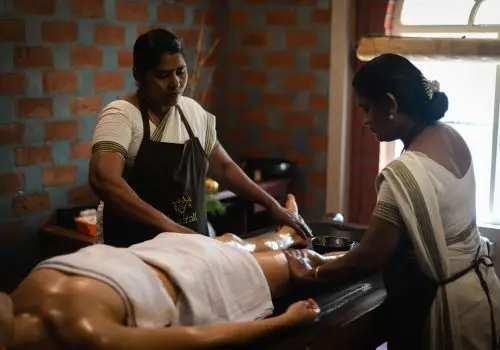

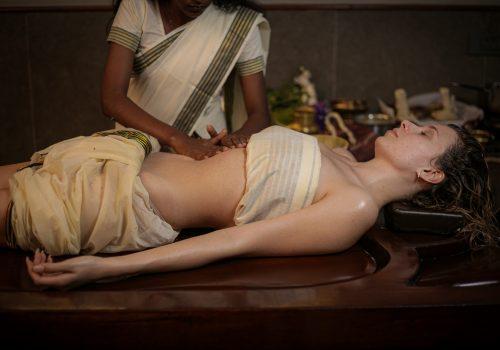












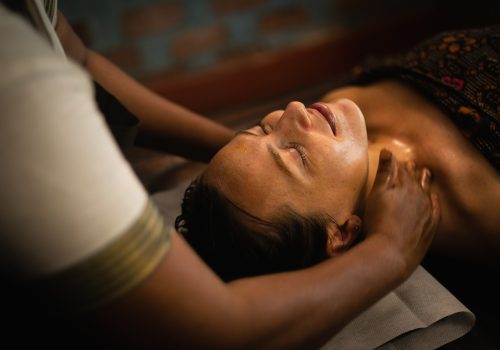
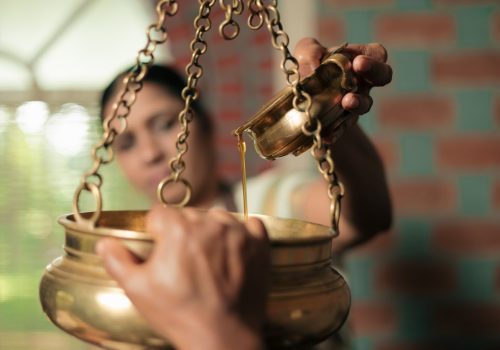

















Panchakarma may involve changes in energy, appetite, digestion and bowel habits. These effects should not automatically be described as proof that “detoxification is working”. They must be assessed in relation to the procedure, the patient’s health and the severity of the symptoms.
Panchakarma is often promoted as a cleansing and renewal programme.
This simple description can hide an important fact. Panchakarma is not one treatment. It is a group of physician-led Ayurvedic procedures.
These may include vamana (therapeutic emesis), virecana (therapeutic purgation), basti (medicated enema therapy) and nasya (nasal administration). Oil treatments, dietary preparation, rest and recovery may also form part of the plan.
Each procedure affects the body differently.
A person may feel tired after a demanding treatment. Bowel habits may change during a purgation procedure. A headache may follow reduced caffeine intake. But these effects are not always harmless, and they are not reliable proof that toxins are leaving the body.
The safer question is not, “Is this a healing reaction?”
It is, “Is this an expected response, or does the treatment need to change?”
Are Panchakarma side effects normal?
Some temporary discomfort may occur during Panchakarma.
The type of discomfort depends on the procedure, the preparation and the person receiving it. Mild fatigue, appetite changes or temporary changes in bowel habits may occur in some cases.
However, a symptom should not be accepted simply because it began during treatment.
Its severity matters. So does its duration.
A mild symptom that settles with rest is different from repeated vomiting, severe weakness, dehydration, fainting or intense abdominal pain.
The World Health Organization’s benchmarks for Ayurveda place safety, trained practitioners, suitable facilities and proper clinical practice at the centre of Ayurvedic care. Panchakarma should therefore be treated as a supervised health intervention, not as a fixed spa package.
Fatigue and low energy
Some people feel tired during a Panchakarma programme.
This may follow dietary changes, reduced food intake, disrupted sleep, travel, unfamiliar routines or the physical demands of a procedure.
Rest may be appropriate. But fatigue should still be monitored.
Extreme weakness, dizziness, fainting or an inability to complete ordinary activities may suggest that the treatment is too intense. It may also point to dehydration, low blood pressure, low blood sugar or another health concern.
The response should be reviewed by the physician rather than labelled a normal cleansing effect.
Changes in digestion and bowel habits
Digestive changes may occur because some Panchakarma procedures act directly on the gastrointestinal system.
For example, virecana is intended to produce bowel evacuation under supervision. Basti involves the rectal administration of medicated substances.
Even when a change is expected, the physician must assess whether it remains within a safe range.
Repeated loose stools can lead to fluid and electrolyte loss. Severe cramps, persistent vomiting, blood in the stool or an inability to keep fluids down are not signs to simply tolerate.
The treatment may need to be reduced, paused or stopped.
Headaches
Headaches during a Panchakarma stay may have several causes.
Some people reduce coffee or tea before or during treatment. Caffeine withdrawal can cause headache, tiredness and irritability.
Headaches may also be linked with dehydration, missed meals, poor sleep, heat exposure, low blood pressure or an unrelated illness.
For this reason, herbal tea should not be treated as a complete response to every headache.
A new, severe or persistent headache needs clinical review. Sudden headache with weakness, confusion, fainting, fever or vision changes requires prompt medical attention.
Nausea and vomiting
Nausea may occur around certain procedures or after taking oils and herbal preparations.
But unplanned or repeated vomiting should not be described as a positive release.
Vomiting can cause dehydration and electrolyte imbalance. It may also indicate that a preparation is unsuitable or that the person is not tolerating the treatment.
Therapeutic emesis, where used, is a controlled procedure. It is not the same as vomiting unexpectedly after a treatment.
The distinction is important.
Skin irritation and rashes
Oils, herbal pastes and other topical preparations may irritate the skin.
A mild reaction can occur if a person is sensitive to an ingredient. Heat, sweat and friction may also contribute.
However, a rash is not evidence that toxins are leaving through the skin.
Redness, itching, swelling or burning may indicate irritation or allergy. The product should be removed and the reaction assessed.
Rapid swelling, breathing difficulty or a widespread rash requires urgent medical care.
Emotional changes
A Panchakarma programme often includes a quieter schedule, less screen use, dietary changes, massage, yoga and more time alone.
These changes may affect mood. Some people may feel calm. Others may feel restless, irritable, tearful or emotionally unsettled.
It is misleading to describe every difficult emotion as an “emotional detox”.
Mood changes may be linked with poor sleep, caffeine withdrawal, unfamiliar surroundings, pain, anxiety or an existing mental health condition.
Emotional responses deserve support and careful assessment. Severe anxiety, confusion, panic, persistent low mood or thoughts of self-harm require qualified mental-health care.
Side effects are not proof of effectiveness
One of the most common problems in wellness language is the belief that feeling worse means the treatment is working.
This idea can make people tolerate symptoms they should report.
Pain is not proof of cleansing. A rash is not proof of toxin removal. Severe diarrhoea is not proof that a deeper imbalance is leaving the body.
A treatment can produce an unwanted effect without producing a benefit.
Research on the safety of Ayurveda remains uneven. Studies do not always record or report adverse events in a consistent way, which makes broad claims about safety difficult. A pharmacovigilance study in an Ayurvedic teaching hospital also noted the shortage of systematic documentation around adverse reactions and safety issues in Ayurvedic care.
This does not mean Panchakarma is inherently unsafe. It means safety depends on assessment, appropriate patient selection, trained supervision and honest reporting.
Who may need extra caution?
Panchakarma may not be suitable for everyone.
Greater caution is needed for people who are:
- Pregnant
- Frail or severely underweight
- Dehydrated
- Acutely unwell
- Recovering from surgery
- Managing unstable heart, liver or kidney conditions
- Taking several medicines
- Living with a history of fainting or electrolyte imbalance
Children and older adults also require a more conservative approach.
The treating Ayurvedic physician should have a complete medical history, including current medicines, supplements, allergies, previous surgery and ongoing conventional treatment.
Complementary health practices can have risks, including interactions between medicines and herbal products. NCCIH advises discussing complementary treatments with healthcare providers rather than assuming that “natural” means safe.
When should treatment be reviewed or stopped?
Patients should report symptoms as soon as they occur.
Do not wait for the next scheduled consultation if a symptom is strong or worsening.
Treatment needs prompt review if there is:
- Repeated vomiting
- Severe or persistent diarrhoea
- Fainting or marked dizziness
- Severe weakness
- Intense abdominal pain
- Blood in vomit or stool
- Chest pain
- Breathing difficulty
- Confusion
- A widespread rash or facial swelling
- Very little urine or signs of dehydration
These symptoms should not be managed through reassurance alone.
Where necessary, conventional medical assessment should be arranged.
How safe Panchakarma care should work
A well-run Panchakarma programme begins before the first procedure.
The physician should assess the person’s health, strength, digestion, medication use and treatment goals. The patient should understand what is planned and what reactions need to be reported.
During the programme, the physician should review the response and adjust the treatment.
That may mean changing a therapy, reducing its intensity, providing more recovery time or deciding not to continue.
At Kairali – The Ayurvedic Healing Village in Palakkad, Panchakarma is provided within an NABH-accredited Ayurvedic hospital setting. The relevant point is not that supervision makes side effects impossible. It is that a clinical setting should have systems for identifying them and responding safely.
The practical answer
Panchakarma can involve temporary changes in energy, appetite, digestion and bowel habits.
Some may be expected. Others may show that the treatment is too strong or that another health issue needs attention.
The difference cannot be decided by a blog, a package description or the idea that discomfort is part of detoxification.
It requires clinical judgement.
A safe Panchakarma programme does not ask patients to endure every symptom. It observes, reassesses and changes course when necessary.
Website: www.ktahv.com
Call: +91-9555156156