



























Weight management is one of the most common reasons people begin exploring Ayurveda. Many arrive expecting a programme that focuses on rapid weight loss. What they often discover instead is a system of medicine that asks a different question: why has the body gained weight in the first place?
From an Ayurvedic perspective, excess weight is rarely viewed as an isolated problem. It may reflect a combination of impaired digestion (Agni), the accumulation of metabolic waste products traditionally described as Ama, reduced physical activity, dietary habits, chronic stress, poor sleep, hormonal changes, or an imbalance in Kapha Dosha. For this reason, Panchakarma is not designed as a conventional weight-loss programme. Its purpose is to support the body’s natural regulatory processes through carefully supervised cleansing, dietary management, and lifestyle interventions. Changes in body weight may occur during this process, but they are better understood as one possible outcome of broader physiological and behavioural changes rather than the primary goal.
Looking Beyond the Number on the Scale
Modern conversations about weight often focus almost entirely on kilograms lost. While body weight is one measure of health, it tells only part of the story.
Many people who undergo a physician-supervised Panchakarma programme report improvements that extend beyond weight itself. They may notice feeling lighter, improved digestion, greater energy, more regular bowel habits, better sleep, or a renewed motivation to make healthier lifestyle choices. These changes can influence long-term weight management by supporting healthier daily habits rather than relying on short-term restriction.
Equally important, not every individual undergoing Panchakarma experiences noticeable weight loss. Expectations should therefore remain realistic. Factors such as body constitution (Prakriti), age, medical history, dietary patterns, physical activity, stress levels, and the purpose of the programme all influence individual outcomes.
How Panchakarma May Support Weight Management
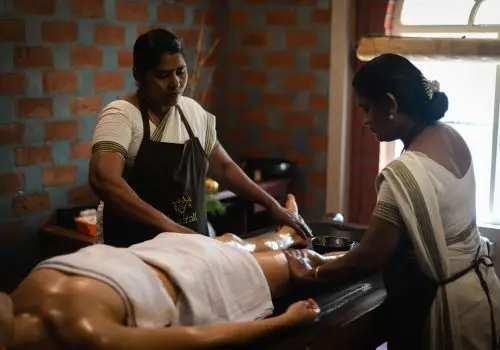
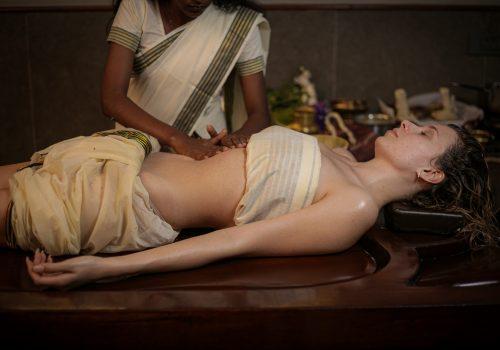
Panchakarma is a personalised therapeutic process rather than a single treatment. After a detailed Ayurvedic assessment, physicians develop an individualised plan that may include dietary modifications, herbal preparations, therapeutic procedures, yoga, breathing practices, and guidance on daily routine.
Several aspects of this comprehensive approach may contribute to healthier weight management.
Restoring Digestive Function
Ayurveda considers healthy digestion fundamental to overall wellbeing. When digestion is impaired, food may not be processed efficiently, affecting metabolism and energy regulation. Panchakarma programmes typically include carefully planned meals that are easy to digest and appropriate for the individual’s constitution. Alongside physician-guided therapies, this period allows many patients to develop healthier eating patterns that continue after returning home.
Supporting Sustainable Lifestyle Changes
Temporary dietary changes rarely produce lasting results unless accompanied by broader behavioural changes. During a residential Panchakarma programme, patients often establish consistent meal timings, adequate rest, regular movement, and mindful eating practices. These habits frequently become one of the programme’s most valuable long-term benefits.
Addressing Stress and Emotional Wellbeing
Stress can influence eating behaviour, sleep quality, and physical activity. Ayurvedic care recognises that mental and emotional wellbeing are closely connected with physical health. Yoga, meditation, breathing practices, and therapeutic treatments are commonly integrated into Panchakarma programmes to support relaxation and emotional balance. For some individuals, improved stress management becomes an important part of maintaining a healthier weight over time.
Individualised Therapeutic Care
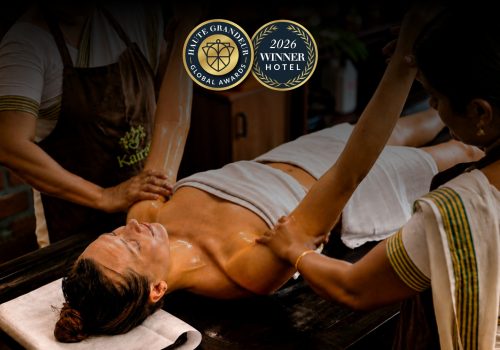
Unlike standardised wellness programmes, Panchakarma is adapted to the individual. Depending on the physician’s assessment, treatment may include therapies traditionally used to address specific patterns of imbalance. The exact sequence, duration, and procedures vary from person to person, reflecting Ayurveda’s emphasis on personalised care rather than uniform protocols.
Why Sustainable Weight Management Takes Time
One of the greatest misconceptions surrounding weight loss is that rapid change is always desirable. In reality, sustainable weight management usually depends on maintaining healthy behaviours over months and years rather than days.
Panchakarma should therefore be viewed as the beginning of a longer process. The programme provides an opportunity to reset routines, improve awareness of dietary habits, and receive personalised guidance from qualified Ayurvedic physicians. The recommendations patients receive after completing Panchakarma—including dietary advice, daily routines (Dinacharya), physical activity, and follow-up care—often play a significant role in maintaining any improvements achieved during the programme.
Without these longer-term lifestyle adjustments, lasting results become considerably more difficult, regardless of the health system being followed.
Choosing the Right Setting Matters
Because Panchakarma involves specialised procedures, it should always be undertaken under the supervision of qualified Ayurvedic physicians in an appropriate clinical environment. It is not equivalent to a spa detox or a collection of relaxation therapies.
At retreats such as Kairali – The Ayurvedic Healing Village, Panchakarma begins with a detailed physician consultation, allowing treatment plans to be tailored to each patient’s constitution, medical history, and health goals. This personalised approach reflects the classical principles of Ayurveda while ensuring that treatment remains appropriate for the individual.
Setting Realistic Expectations
Patients considering Panchakarma for weight management should approach it with realistic expectations.
It is not a quick fix. It is not intended to replace balanced nutrition, regular physical activity, or appropriate medical care when required. Instead, Panchakarma may support individuals who wish to improve their overall health through a structured programme that addresses digestion, daily routine, stress management, and lifestyle habits alongside personalised Ayurvedic care.
For some people, changes in body weight may accompany these broader improvements. For others, the most meaningful outcomes may be better energy levels, improved digestion, healthier routines, or a greater sense of physical and mental wellbeing.
Ultimately, Ayurveda encourages a broader definition of success—one that values restoring balance as much as reducing body weight. When approached with patience, realistic expectations, and ongoing commitment to healthy living, Panchakarma can become an important step towards more sustainable long-term wellbeing rather than simply another short-term weight-loss strategy.
Website: www.ktahv.com
Call: +91-9555156156
Panchakarma may support weight management as part of a personalised Ayurvedic treatment plan. Its primary aim is to restore balance, improve digestive function, and encourage healthier lifestyle habits rather than deliver rapid weight loss.
No. Panchakarma is a classical Ayurvedic therapeutic process designed to support overall health through physician-guided cleansing and individualised care. Any changes in body weight are considered a possible outcome rather than the main objective.
The experience varies from person to person. Some individuals notice improvements in digestion, energy levels, or overall wellbeing during the programme, while sustainable changes often depend on maintaining the recommended diet and lifestyle afterwards.