














“Detox” has become a convenient shorthand for almost anything associated with cleansing, fasting or taking a break from everyday habits. Panchakarma is considerably more structured than that.
In Ayurveda, Panchakarma is a physician-led sequence of preparatory, cleansing and restorative measures selected according to the individual. It is not a standard package in which every person receives the same five procedures. Nor is it intended to be a quick wellness cleanse.
At Kairali – The Ayurvedic Healing Village in Palakkad, Kerala, Panchakarma is conducted within an NABH-accredited Ayurvedic hospital setting. For someone considering a residential Panchakarma programme for the first time, here is what the process actually involves.
First, what does Panchakarma mean?
Panchakarma literally refers to “five actions” or “five procedures”. In classical Ayurvedic practice, the term describes a group of therapeutic procedures used within a wider system of assessment, preparation and recovery.
The procedures commonly associated with Panchakarma include:
- Vamana — medically supervised therapeutic emesis
- Virechana — therapeutic purgation
- Basti — administration of medicated preparations through the rectal route
- Nasya — nasal administration of prescribed oils or other preparations
- Raktamokshana — controlled bloodletting, used selectively in particular Ayurvedic contexts
For an international reader, this list can make Panchakarma sound more severe than the spa-style versions of Ayurveda often encountered outside India. That distinction matters.
These are clinical procedures. They are not automatically appropriate for everyone, and a Panchakarma programme does not mean undergoing all five.
Your programme begins with assessment, not treatment
The first stage at Kairali is an Ayurvedic physician consultation.
The physician considers your prakṛti (constitutional pattern), current state of imbalance, digestion, sleep, appetite, age, strength, medical history, medications and other relevant factors before determining whether Panchakarma is appropriate and, if so, which elements should be included.
This individualisation is central to the Ayurvedic model.
Two guests arriving on the same day for a Panchakarma programme may therefore follow quite different schedules. One may require a particular cleansing procedure; another may need a gentler preparatory and restorative approach.
This is also why Panchakarma is difficult to reduce to a fixed online protocol or a list of treatments to try at home.
Stage one: preparing the body
Before a principal cleansing procedure is considered, Ayurveda generally uses preparatory measures known as pūrvakarma (pre-treatment measures).
These may include snehana, the therapeutic use of oil internally or externally where appropriate, and svedana, or controlled sudation.
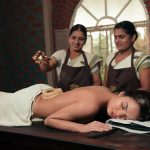
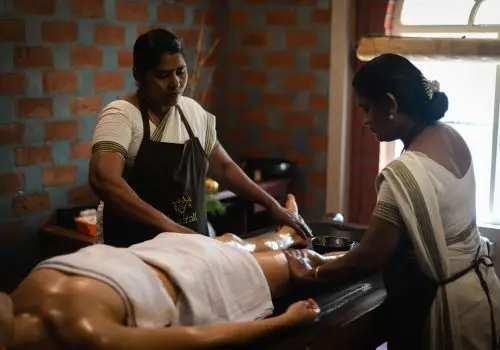
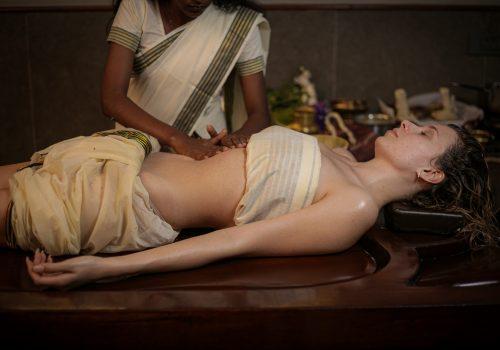
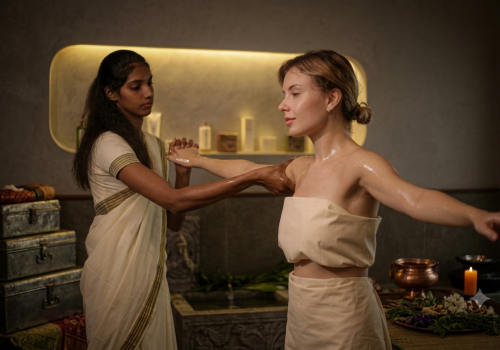
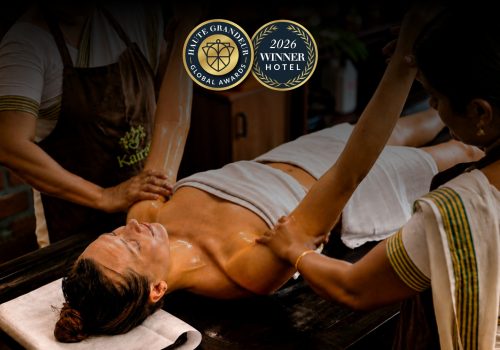
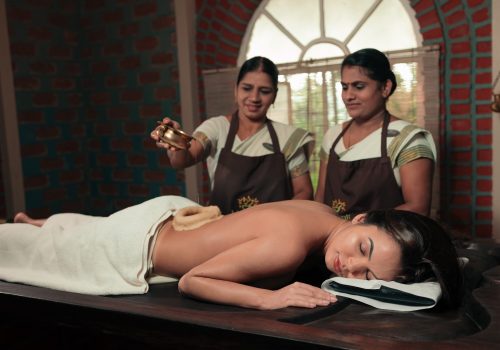
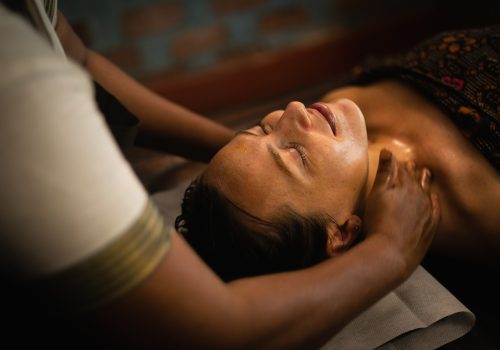
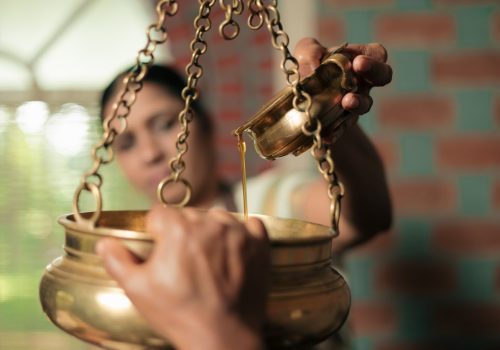
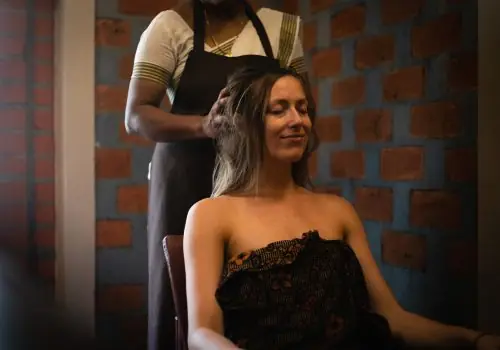
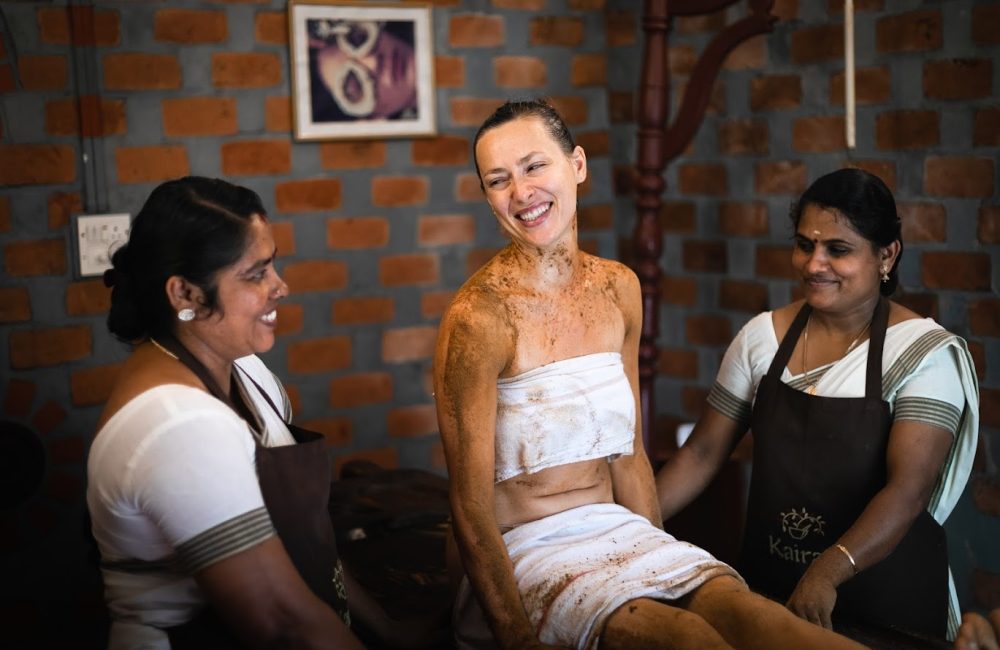
Guests are more likely to recognise treatments such as Abhyanga, an oil application performed by trained therapists, as part of this preparatory phase.
But the purpose is not simply relaxation.
Within the Ayurvedic framework, these measures prepare the individual for the next stage of treatment. The exact sequence, frequency and substances used depend on the physician’s assessment.
Diet also changes during this period. Meals are generally kept relatively simple and are selected in accordance with the treatment plan rather than treated as a separate “wellness cuisine” experience.
Stage two: the principal Panchakarma procedure
The main intervention is sometimes referred to as pradhānakarma (principal procedure).
Depending on the individual, the physician may select one or more appropriate procedures rather than automatically prescribing the full group of five.
This is an important difference between classical clinical Panchakarma and the increasingly common use of “Panchakarma” as a general label for massages, oil treatments and relaxation programmes.
Some classical procedures are physically demanding and require careful screening, preparation and monitoring. They are therefore undertaken under professional supervision rather than selected by the guest from a treatment menu.
What happens on any given day may also depend on how the body has responded to the preceding stage. A predetermined itinerary can give way to clinical judgement.
Stage three: recovery matters just as much
The days immediately following a principal procedure are not an afterthought.
Paścātkarma (post-treatment measures) refers to the period in which diet, activity and daily routine are gradually adjusted following treatment.
In some cases, this can involve a carefully staged return to more varied foods. Rest, sleep, physical activity and other therapies may also be adjusted.
This phase helps explain why Panchakarma is difficult to reproduce as a weekend cleanse.
The Ayurvedic logic is sequential: assessment, preparation, a selected principal intervention and then recovery. Removing one stage changes the nature of the process.
What does an ordinary day at Kairali look like?
A residential programme creates space around the clinical treatment itself.
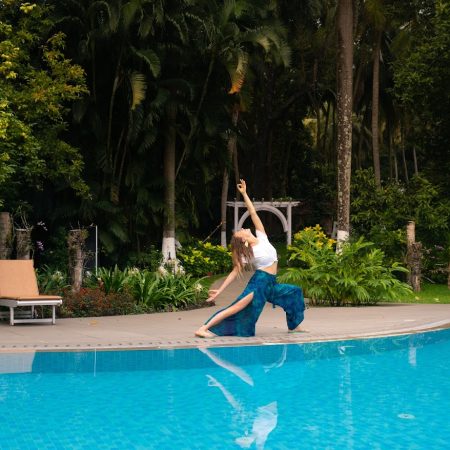
Depending on the physician’s plan and the stage of the programme, a day may include prescribed Ayurvedic therapies, meals appropriate to the treatment phase, rest and gentle supportive practices such as yoga or meditation where suitable.
The pace is deliberately different from a conventional holiday.
More treatment is not necessarily better. There may be periods when rest is part of the prescription, and there may be days on which the programme feels quieter than a guest accustomed to activity-filled wellness retreats expects.
That restraint is part of physician-led Panchakarma.
Is Panchakarma really a “detox”?
This is where language becomes important.
Ayurveda has its own conceptual vocabulary for explaining why and when cleansing procedures are used, including ideas such as doṣa (functional regulatory principles) and āma, a classical concept associated with incomplete digestion and metabolic disturbance.
These concepts should not automatically be translated into the modern claim that Panchakarma “removes toxins” from the bloodstream or organs.
Those are different medical frameworks.
Research has investigated Ayurvedic interventions, including Panchakarma, across a range of physiological and clinical measures. However, the evidence is still uneven: studies vary substantially in size, methodology, interventions and quality. Panchakarma should therefore not be presented as scientifically proven to remove unspecified environmental “toxins” or to cure chronic disease.
A more useful description is that Panchakarma is a structured Ayurvedic therapeutic process involving individual assessment, selected cleansing procedures and a supervised recovery period.
That may sound less dramatic than a promise of a complete bodily reset. It is also much closer to what the practice actually involves.
Who should approach Panchakarma cautiously?
Panchakarma is not suitable for every person at every stage of health.
Age, pregnancy, acute illness, physical strength, existing medical conditions, medications and the particular procedure being considered can all affect whether a programme is appropriate.
International guests should disclose their medical history and current medications during consultation and should not discontinue conventional treatment in order to undertake an Ayurvedic programme without discussing this with their treating healthcare professional.
The word “natural” should never be taken to mean that a therapy is automatically risk-free.
Why the setting matters
Panchakarma has become available in many forms, from clinical Ayurveda centres to resort spas.
For a prospective guest, a more useful question than “Do you offer Panchakarma?” is: Who assesses me, who decides which procedures I receive, and how am I monitored?
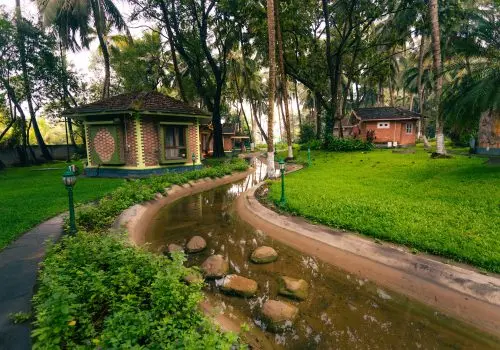
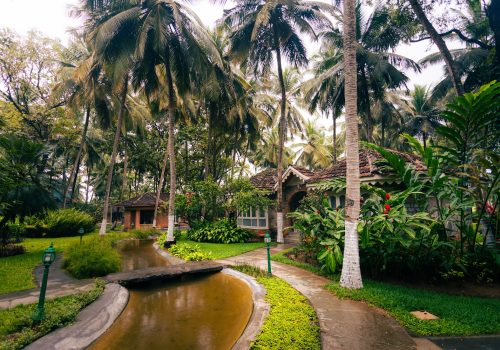
At Kairali, The Ayurvedic Healing Village, the programme sits within a physician-led Ayurvedic setting in Palakkad. The property is an NABH-accredited Ayurvedic hospital and holds the Government of Kerala’s Green Leaf classification for Ayurveda centres.
Those credentials do not guarantee an individual outcome. They do, however, provide useful information about the standards and clinical framework within which care is delivered.
What to expect, realistically
Do not arrive expecting five procedures, dramatic purging or an instant transformation.
Expect questions.
Expect your daily routine and food to become simpler for a period. Expect treatment decisions to be revised according to how you respond. Expect some days to involve active therapies and others to require more rest.
Most importantly, expect Panchakarma to be individual.
For travellers accustomed to choosing wellness treatments from a menu, this can be the most unfamiliar part of the experience. In a physician-led Panchakarma programme, the question is not simply what treatment you would like to receive.
It is what, after assessment, is considered appropriate for you.
Considering Panchakarma at Kairali?
Learn more about Kairali’s physician-led Panchakarma programme and what to discuss with the medical team before planning a residential stay.