



















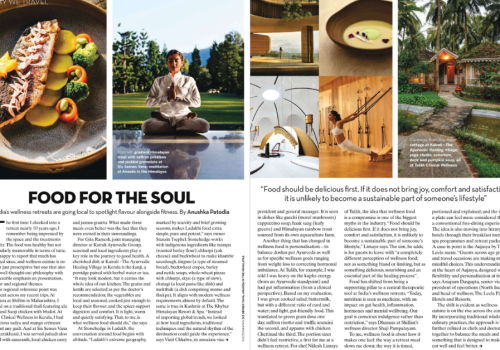


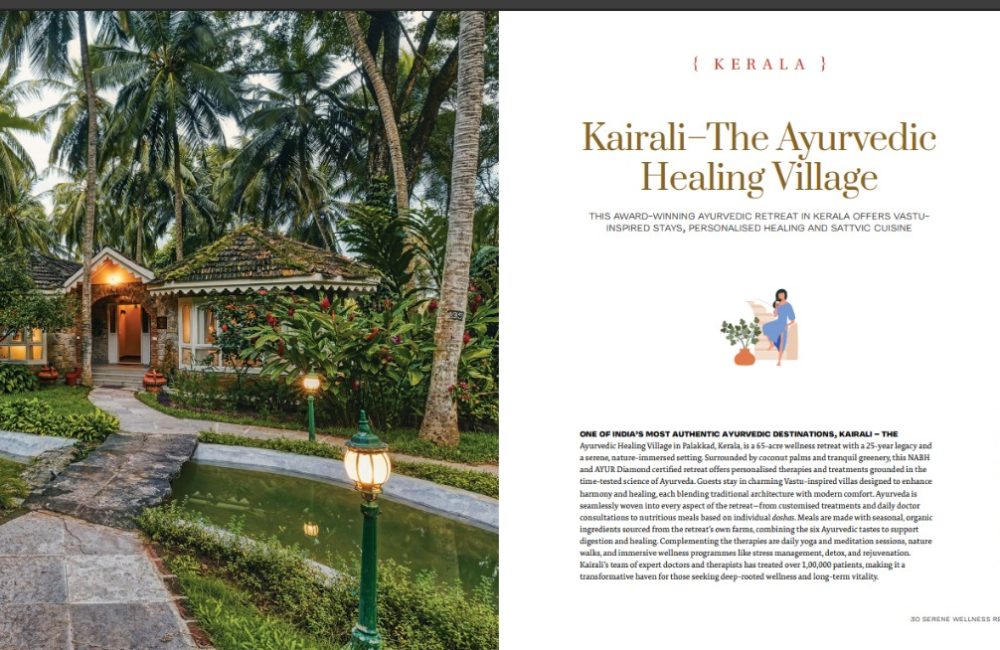

Kairali – The Ayurvedic Healing Village has been featured in 30 Serene Wellness Retreats in India, a special coffee-table edition published by Outlook Publishing (India) Private Limited.
Released in March 2026, the publication brings together 30 wellness destinations from across India. It covers a wide range of approaches, including Ayurveda, yoga, naturopathy, and Tibetan medicine.
Kairali’s inclusion places its Palakkad property within a broader picture of how wellness travel is changing in India.
Travellers are no longer looking only for beautiful surroundings or short spa breaks. Many now want structured programmes, qualified practitioners, clear standards, and a better understanding of how their care will be planned.
For Ayurveda, that distinction matters.
A Physician-Led Approach to Ayurveda
Kairali, The Ayurvedic Healing Village is located in Kodumbu, Palakkad, Kerala. It is the flagship property of Kairali Ayurvedic Group and operates as an NABH-accredited Ayurvedic hospital.
Residential programmes begin with a consultation with an Ayurvedic physician.
The medical team then plans the guest’s schedule according to the consultation, the length of the stay, and the person’s response during the programme.
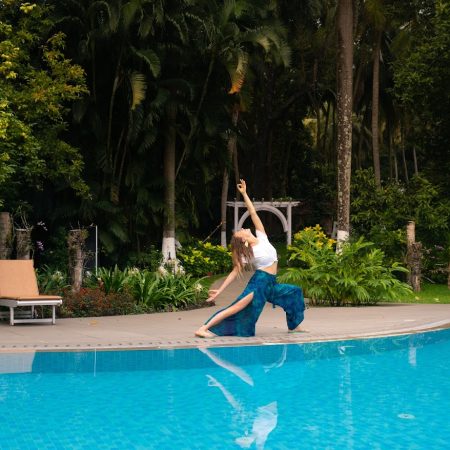
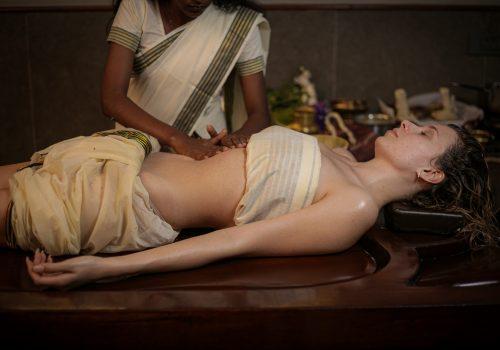
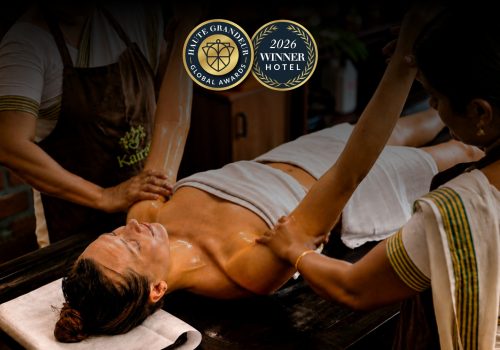
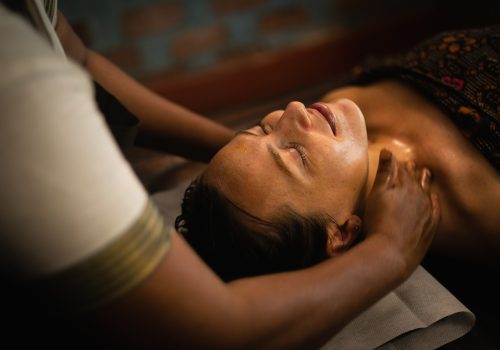
A residential plan may include prescribed therapies, dietary guidance, yoga, rest, and a structured daily routine.
The programme is not designed to be identical for every guest. It is adjusted according to individual needs and reviewed during the stay.
This is one of the main differences between physician-supervised Ayurveda and a general wellness or spa experience.
Designed for Residential Programmes
Kairali is intended for longer residential stays rather than brief treatment visits.
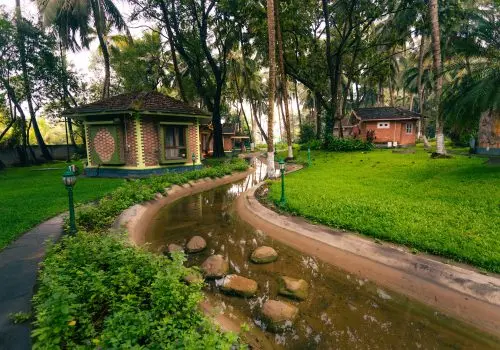
The setting supports a slower daily rhythm. Consultations, therapies, meals, yoga, and periods of rest are organised as parts of the same programme.
Its architecture also draws on Vāstu Śāstra, the traditional Indian system of spatial planning.
The purpose of the environment is not simply visual. In a residential Ayurvedic programme, the setting can help guests follow a steady routine with fewer interruptions.
That routine is often as important as any individual therapy.
Why This Recognition Matters
The Outlook publication appears at a time when interest in Indian wellness travel is growing.
At the same time, travellers are asking more careful questions.
Who supervises the programme?
How are therapies selected?
Is the facility accredited?
How are medicines sourced?
How often is the guest reviewed?
What happens when a treatment needs to be changed?
These questions are useful because the word “Ayurveda” can describe very different experiences.
At one end are short oil treatments offered within a general spa. At the other are residential programmes supervised by qualified Ayurvedic physicians.
The difference should be clear to the traveller before a booking is made.
Kairali’s inclusion in 30 Serene Wellness Retreats in India draws attention to the role of structured, physician-led Ayurveda within the wider wellness-travel sector.
Greater Visibility Brings Responsibility
Recognition from a travel publication can introduce Ayurveda to a wider audience. It also creates a responsibility to communicate carefully.
Ayurvedic destinations should explain what their programmes involve without relying on exaggerated claims.
They should be clear about practitioner qualifications, treatment planning, safety, accreditation, and the limits of what a residential programme can promise.
This is especially important for international travellers, who may be unfamiliar with the difference between classical Ayurvedic care and commercial wellness treatments.
Greater visibility should therefore lead to greater transparency.
Kairali’s Place Within the Wider Group
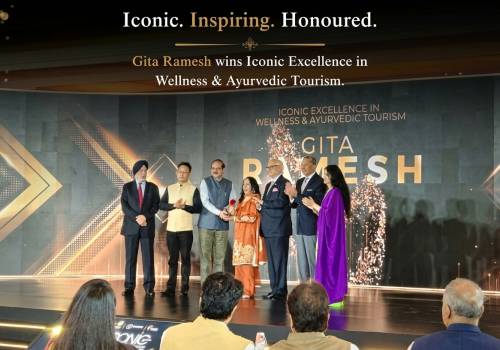
Kairali Ayurvedic Group was founded in 1989 by K.V. Ramesh and Gita Ramesh.
The Group draws on four generations of Ayurvedic practice in the founders’ family. Its work spans Ayurvedic healthcare, pharmaceutical manufacturing, wellness hospitality, and treatment centres.
Kairali, The Ayurvedic Healing Village serves as the Group’s flagship residential property in Kerala.
Its NABH accreditation is an important part of its identity because it places the property within a recognised healthcare-quality framework.
A More Informed Kind of Wellness Travel
The significance of the Outlook feature is not only that Kairali appears in a list of 30 retreats.
It also reflects a wider shift in how wellness destinations are being understood.
The strongest Ayurveda programmes are not built around a single treatment, a dramatic promise, or a standard package. They are built around assessment, supervision, routine, and adjustment.
For travellers, this means looking beyond photographs and programme names.
A useful first step is to ask how the stay will be planned, who will supervise it, and how the programme will change if the guest responds differently than expected.
Those questions reveal more than any claim about being the “best” Ayurvedic retreat.
Kairali’s inclusion in Outlook Publishing’s special edition brings welcome attention to the property. More importantly, it offers another opportunity to explain what responsible Ayurvedic travel should look like: structured, supervised, individualised, and clear about its limits.