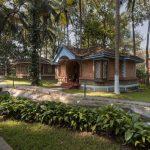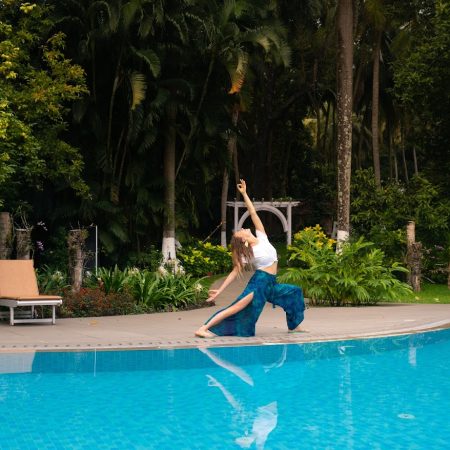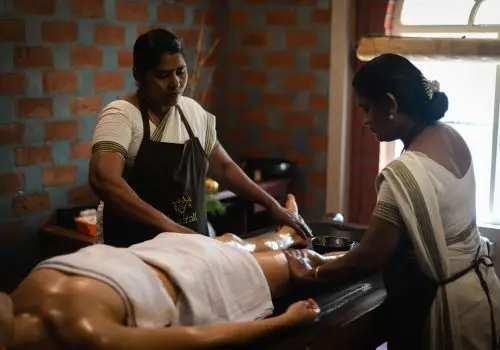
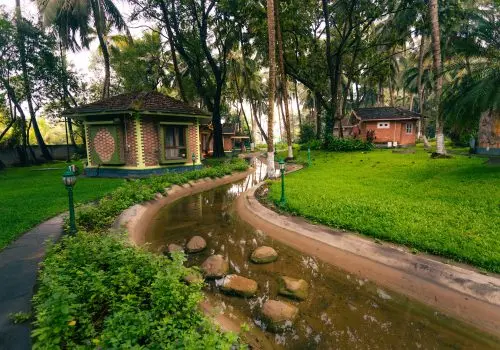
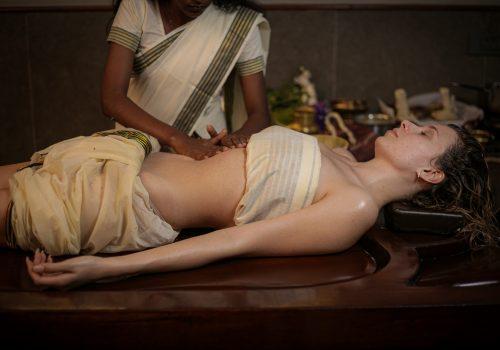

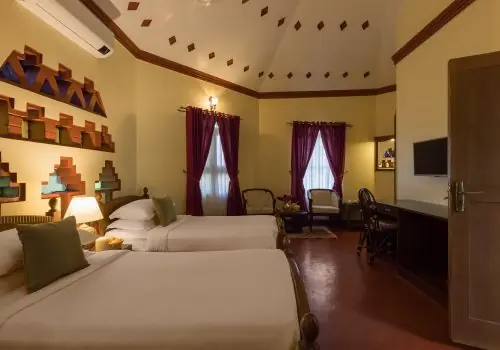
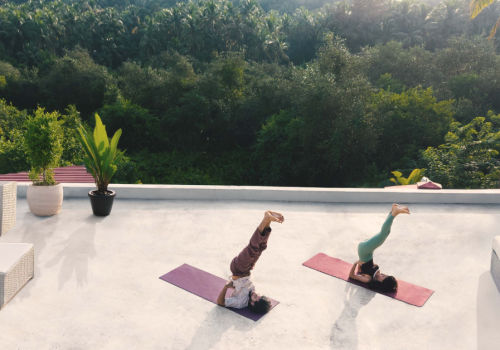

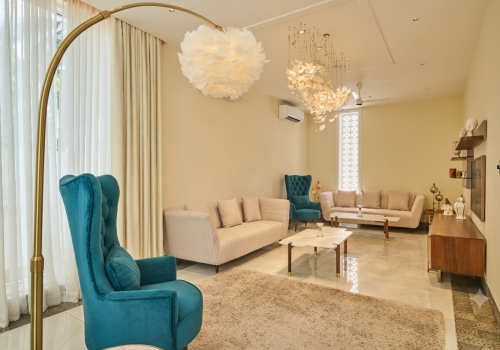



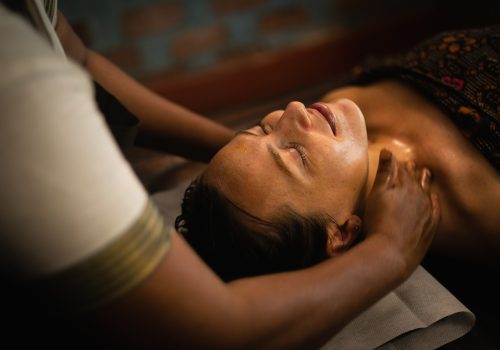
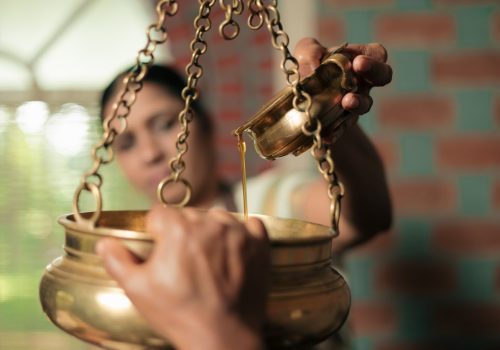













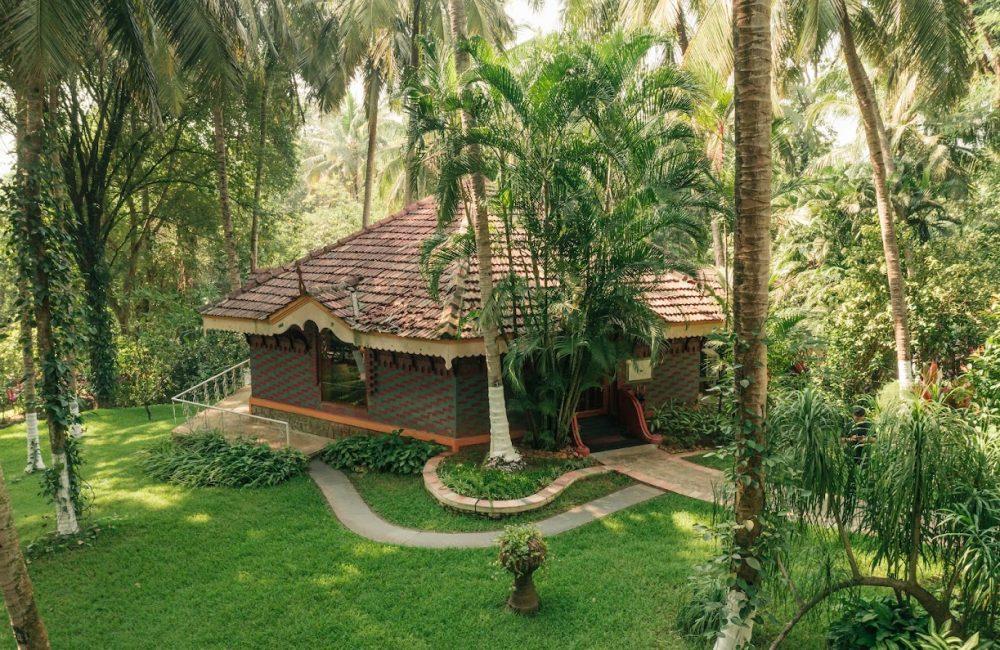

Planning a Kerala Ayurvedic retreat often involves one practical question: Where should I stay if I arrive a day early or leave a day late? If you’re coming for treatments at Kairali – The Ayurvedic Healing Village (Palakkad), this guide helps you choose the right pre/post-retreat stay—with safe, convenient areas, smart transport links, and calm things to do nearby (without disrupting your wellness rhythm).
1) Why stay near Kairali before or after your program?
A pre/post stay is useful if:
- Your flight/train lands late, or you don’t want a long road transfer at night.
- You want a gentle “buffer day” to settle your body before therapies begin.
- You’re travelling with a bystander/family member and want flexible logistics.
- You’d like to see Palakkad’s culture and nature without rushing.
Kairali is well-connected to Palakkad Railway Station (~17.2 km / ~30 min), and major airports like Coimbatore (~62 km / ~1 hr 30 min) and Cochin/Kochi (~114 km / ~2 hr 30 min) (approximate road durations).
2) Best areas to stay for pre/post nights
A) Palakkad Town (most convenient)
Best for: quick access, reliable transport, easy dining options, a safe “overnight stop.”
- You can reach Kairali by taxi with minimal planning.
- Ideal if you arrive by train or need a straightforward base.
Hotel picking tips (Palakkad town):
- Prioritise properties with 24-hour reception, good recent reviews, on-site parking, and clear check-in policies.
- If you’re arriving late, confirm late check-in and pre-book your cab.
Tripadvisor lists several well-known Palakkad hotel options (use it to compare recent reviews and photos).
B) Malampuzha (scenic + quiet, great for a soft landing)
Best for: a calmer environment, nature views, light sightseeing.
- You’re close to Malampuzha Garden and Dam, one of Palakkad’s popular attractions.
- This can be a nice choice if you want “quiet but not remote.”
If you’re comparing hotels around Malampuzha, use hotel aggregators to filter by rating, safety features, and distance (then verify on maps and recent reviews).
C) Coimbatore (best for late flights / international connections)
Best for: flight timing convenience.
- Coimbatore is often the easier airport link for Kairali compared to Kochi (distance-wise).
Choose this if your flight lands late and you prefer to sleep in the city and transfer next morning.
D) Kochi (only if your flight schedule forces it)
Best for: unavoidable late-night arrival into Kochi or short city stopover.
- Kochi is farther from Palakkad than Coimbatore in typical routing.
- If you stay in Kochi, keep the next day lighter—early start, comfortable transfer, and simple meals.
3) “Safe hotel” checklist (what to look for in 2025)
Instead of chasing “the safest hotel” headline, use this practical checklist:
Must-haves
- 24/7 front desk + security/CCTV in common areas
- Well-lit entrance, proper parking/drop-off point
- Verified recent guest reviews (last 3–6 months preferred)
- Clear ID/guest policy, especially for late-night check-in
- Clean water availability and hygienic dining
Nice-to-haves
- Elevator access (for seniors or mobility needs)
- Quiet rooms (good sleep before treatments)
- In-house restaurant with simple vegetarian options
- Flexible check-out if you’re catching a train/flight
When comparing properties, cross-check listings on major platforms and review pages before booking.
5) What to do in Palakkad (gentle, retreat-friendly ideas)
If you’re doing best ayurvedic retreat in Kerala style travel, the goal is not “tourism overload.” Choose calming, low-exertion activities:
Palakkad Fort (easy cultural stop)
A relaxed walk, great for photos and a sense of local history.
Malampuzha Garden & Dam (nature + open air)
A classic Palakkad outing with scenic views—good for a slow morning or evening.
Kalpathy Heritage area (architecture + quiet exploration)
Ideal for a short, respectful cultural visit and photography.
Parambikulam Tiger Reserve (only if you have time + energy)
This is more time-intensive and requires planning—better suited to post-retreat travel when you feel stronger.
6) Pre-retreat vs post-retreat: how to choose the right stay
If it’s pre-retreat
- Choose the most convenient option (Palakkad town or Coimbatore, based on arrival).
- Keep meals light, sleep early, hydrate, and avoid heavy sightseeing.
If it’s post-retreat
- Choose the calmer scenic option (Malampuzha or a quiet Palakkad property).
- Do gentle sightseeing, buy local essentials, and travel at a relaxed pace.
Conclusion: Completing Your Wellness Journey with Kairali
Choosing the right place to stay before or after your retreat plays a quiet but powerful role in how deeply you experience Ayurveda. When your travel is unhurried and your surroundings are calm, the body and mind arrive ready to receive healing—and they depart carrying it forward.
At Kairali – The Ayurvedic Healing Village, every program is designed as part of a larger journey toward balance, not a stand-alone stay. Planning a thoughtful pre- or post-retreat accommodation nearby allows you to transition gently into Kairali’s authentic treatments and return home without disrupting the harmony you’ve cultivated. Whether you arrive via Palakkad, Coimbatore, or Kochi, staying close and travelling mindfully supports the outcomes of one of the best Ayurvedic retreats in Kerala and strengthens the impact of the best Ayurveda treatment in India.
A Kerala Ayurvedic retreat is not only about the days spent in therapy—it is about how smoothly your journey begins and how calmly it concludes. With the right planning around Kairali, your wellness experience remains continuous, grounded, and truly holistic.
Website: www.ktahv.com
Call: +91-9555156156