






























Virechana is a physician-directed Ayurvedic procedure that uses therapeutic purgation as part of a carefully planned Panchakarma programme. It is not a general cleanse, a self-administered remedy or a treatment that should be judged by how intense the bowel response becomes.
When properly prescribed, Virechana is preceded by assessment and preparation, followed by monitoring and a structured recovery diet. When it is poorly timed, incorrectly selected or undertaken without supervision, it may cause dehydration, weakness, abdominal discomfort, electrolyte disturbance or an excessive purgative response.
The central safety principle is simple: more purgation does not mean better treatment.
What is Virechana?
Virechana is one of the classical procedures associated with Panchakarma. It involves the administration of an individually selected Ayurvedic preparation to induce controlled bowel evacuation.
In Ayurvedic practice, the procedure is traditionally associated with the management of pitta aggravation and is considered only after evaluating the person’s constitution, current imbalance, digestive capacity, strength, age, medical history and suitability for purgation.
It is usually not performed as an isolated intervention. Depending on the individual, preparatory measures may include dietary regulation, internal or external oleation and heat-based procedures. The main procedure is then followed by a gradual return to regular food through a supervised post-treatment diet.
This sequence matters. Removing the preparation and recovery phases changes the nature of the treatment and may increase risk.
The main disadvantages and risks of Virechana
The expected response to Virechana includes bowel evacuation. The physician determines whether that response is appropriate by considering its timing, frequency, the person’s strength and the presence or absence of concerning symptoms.
Some temporary discomfort may occur. However, symptoms should not be dismissed as proof that the body is “detoxifying”.
Dehydration
Repeated bowel movements can lead to fluid loss. The risk increases when the purgative response is stronger or more prolonged than intended, when the person enters the procedure inadequately hydrated, or when vomiting occurs alongside diarrhoea.
Possible signs of dehydration include excessive thirst, dry mouth, dizziness, weakness, reduced urination and difficulty standing comfortably.
Hydration must be managed according to the supervising physician’s instructions. Drinking large quantities of water without clinical guidance is not always the correct response, particularly when electrolyte balance may also be affected.
Electrolyte imbalance
Fluid loss may be accompanied by the loss of sodium, potassium and other electrolytes. This can contribute to weakness, muscle cramps, dizziness, palpitations or confusion.
The possibility of electrolyte imbalance is one reason Virechana should not be attempted at home or through an unsupervised cleansing plan.
A physician may need to reduce, stop or medically reassess the procedure if the response becomes excessive.
Weakness and fatigue
Temporary tiredness can occur after purgation. This may reflect fluid loss, reduced food intake, interrupted sleep, the intensity of the procedure or an individual’s limited physical reserve.
Mild fatigue may improve with rest and appropriate dietary recovery. Marked weakness, faintness or an inability to perform basic activities requires review.
Weakness should not be presented as an unavoidable sign of successful treatment. A properly managed programme should remain proportionate to the person’s strength.
Abdominal cramping
Cramping may occur as bowel activity increases. Mild and short-lived discomfort may be expected in some cases, but severe, localised or persistent abdominal pain is not something to ignore.
The physician needs to distinguish ordinary bowel urgency from pain suggesting an unsuitable or excessive response.
Nausea or vomiting
Some individuals may experience nausea during the procedure. Persistent vomiting is more concerning because it can worsen dehydration and make it difficult to retain fluids.
A person who cannot keep fluids down requires prompt clinical review.
Excessive or prolonged bowel movements
The therapeutic objective is controlled purgation, not unrestricted diarrhoea.
An excessive response may lead to dehydration, exhaustion, irritation and electrolyte disturbance. The number of bowel movements alone is not a measure of success. The physician assesses the quality of the response together with the person’s pulse, symptoms, strength, hydration and overall stability.
Prolonged purgation after the expected treatment window requires reassessment.
Dizziness or faintness
Dizziness may result from fluid loss, low blood pressure, inadequate food intake or the physical strain of repeated bowel movements.
A person who feels faint should not be encouraged to continue moving around unassisted. Fainting, confusion or severe dizziness requires immediate attention.
Skin or anal irritation
Repeated bowel movements may irritate the skin around the anal area. Burning, soreness or local inflammation may occur, particularly when stools are frequent.
Basic supportive care may reduce discomfort, but severe pain, bleeding or persistent irritation should be reviewed.
Aggravation of an existing condition
Virechana can place considerable demand on the body. An existing gastrointestinal, cardiovascular, metabolic or other medical condition may worsen if the procedure is unsuitable or poorly tolerated.
This is why the medical history must be discussed before treatment begins. The Ayurvedic physician should know about previous surgery, chronic illness, current symptoms, allergies, medication use and recent investigations.
Who may not be suitable for Virechana?
Virechana is not appropriate for every person or every stage of illness.
It may be unsuitable or require particular caution in people who are pregnant, acutely unwell, severely dehydrated, physically frail, undernourished or recovering from recent surgery. Very young and older individuals may also need additional caution because their ability to tolerate fluid loss and purgation may be reduced.
Certain gastrointestinal, cardiovascular and other chronic medical conditions may make the procedure inappropriate or require coordination with the person’s treating doctor.
Suitability cannot be determined through an online dosha test or a general retreat questionnaire. It requires an individual clinical assessment.
Medication use must also be disclosed. A guest should not stop or alter prescribed medicine before Virechana unless advised by the clinician responsible for that prescription.
When should Virechana be stopped or urgently reviewed?
Any unexpected or worsening symptom should be reported to the supervising team.
Urgent medical review is particularly important when a person experiences:
- fainting, confusion or severe weakness;
- inability to keep fluids down;
- persistent vomiting;
- severe or increasing abdominal pain;
- blood in the stool;
- very low urine output;
- difficulty breathing;
- signs of significant dehydration;
- palpitations or severe dizziness;
- symptoms that continue beyond the expected procedure period.
These symptoms should not be rationalised as a cleansing reaction.
A physician may decide to modify the protocol, stop the purgative process, provide supportive care or arrange conventional medical assessment.
Why preparation matters
The disadvantages associated with Virechana cannot be understood by looking only at the purgation day.
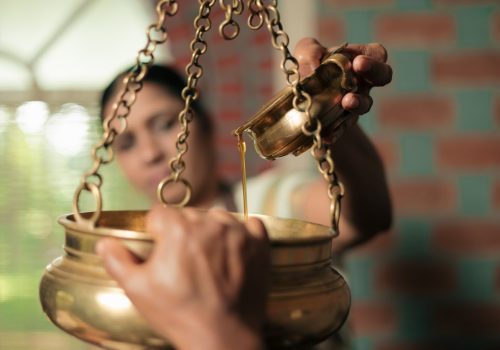
Preparation is intended to assess readiness and support a controlled response. Depending on the individual, this may involve changes to meals, rest, oleation and heat procedures.
The physician also evaluates whether digestion, strength and bowel function are appropriate for the procedure. Performing Virechana when the individual is weak, acutely ill or poorly prepared may increase the likelihood of an adverse response.
Preparation should not be copied from another person’s programme. The type, duration and intensity are individual clinical decisions.
Recovery is part of the treatment
After Virechana, digestion may be temporarily sensitive. Ayurveda therefore uses a graduated dietary recovery process rather than an immediate return to heavy or unrestricted meals.
The post-procedure diet is selected according to the individual’s response and may begin with simple, easily digested preparations before gradually progressing.
Ignoring this phase can contribute to bloating, discomfort, weakness or poor appetite. Returning immediately to rich food, alcohol, strenuous exercise or extensive travel may undermine recovery.
Rest is also important, but recovery should not become prolonged inactivity without clinical reason. The physician determines when normal routines can be resumed.
How Kairali approaches Virechana safety
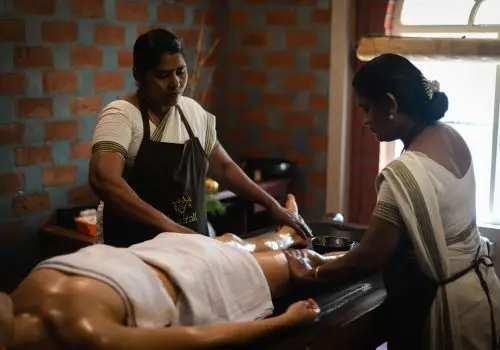
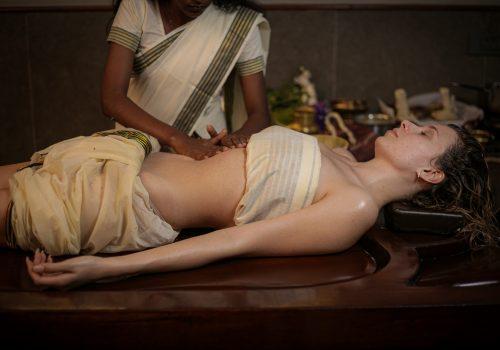
At Kairali – The Ayurvedic Healing Village in Palakkad, Virechana is approached as a supervised clinical procedure rather than a standalone wellness treatment.
Kairali is an NABH-accredited Ayurvedic hospital and Panchakarma clinic. Guests undergo an initial physician assessment before the procedure is considered. The consultation reviews constitution, present imbalance, digestive capacity, physical strength, age, medication use and relevant medical history.
When Virechana is prescribed, the process may include:
- preparatory oleation and heat procedures when indicated;
- an individually selected purgative preparation;
- monitoring during the main procedure;
- supervision of hydration and food intake;
- review of the bowel response and general condition;
- modification or discontinuation when the response is excessive;
- a structured post-procedure diet;
- follow-up assessment during recovery.
The purpose of this structure is not to eliminate every possibility of discomfort. It is to identify who is suitable, keep the procedure proportionate and respond early when the person is not tolerating it well.
Virechana should not be self-administered
The increasing popularity of home cleanses has blurred the distinction between therapeutic purgation and the casual use of laxative herbs.
Virechana should not be attempted by purchasing a formulation online, following a social-media protocol or copying instructions designed for someone else.
The choice of preparation, timing and intensity depends on factors that cannot be safely assessed through general content. Incorrect administration may result in excessive purgation, dehydration, worsening illness or delayed medical care.
An educational article can explain the procedure, but it cannot determine whether Virechana is appropriate for an individual reader.
The correct measure is safety, not intensity
The disadvantages of Virechana are most likely to arise when the procedure is treated as a generic detoxification method rather than an individualised clinical intervention.
Temporary fatigue, cramping, nausea or changes in bowel activity may occur. More serious risks include dehydration, electrolyte disturbance, persistent vomiting, severe weakness and aggravation of an existing condition.
None of these should be interpreted automatically as evidence of benefit.
A carefully managed Virechana programme depends on assessment, preparation, appropriate prescribing, monitoring and recovery. The strength of the response should remain within what the physician considers safe for the individual.
To understand whether Virechana is appropriate for you, speak with a qualified Kairali Ayurvedic physician.
To learn more about medically supervised Panchakarma care, enquire about programmes at Kairali -The Ayurvedic Healing Village.
Website: www.ktahv.com
Call: +91-9555156156