












There was a time when booking a spa meant one thing: an hour or two away from everyday life. A massage, a facial, perhaps a steam bath—and then back to work on Monday.
That idea is changing.
Today’s wellness traveller is looking for something that lasts longer than a few relaxing hours. People want better sleep, less stress, healthier routines, and practical ways to feel well long after they return home. Around the world, wellness destinations are responding by creating programmes that combine movement, nutrition, mindfulness, and personalised care.
Interestingly, this isn’t a new idea.
For thousands of years, Ayurveda has approached wellbeing in much the same way—not as a collection of individual treatments, but as a way of living.
More Than a Good Massage
A massage can certainly help you unwind after a stressful week. But Ayurveda asks a different question:
What caused the stress to build up in the first place?
Instead of concentrating on one sore muscle or one difficult day, Ayurveda looks at the bigger picture. How well are you sleeping? Are your meals regular? Do you have time to recover from work? Is your daily routine supporting your health—or slowly working against it?
The answers help an Ayurvedic physician recommend therapies that are appropriate for the individual rather than simply choosing a treatment from a menu.
That personalised philosophy is what distinguishes Ayurveda from many conventional spa experiences.
When Wellness Becomes Personal
One of the biggest changes in the wellness industry has been the move away from standard packages.
Travellers increasingly expect experiences designed around their own needs, whether they are looking to improve sleep, manage stress, or simply take time to reset.
Ayurveda has always worked this way.
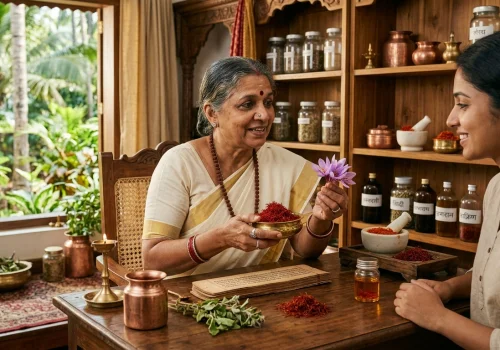
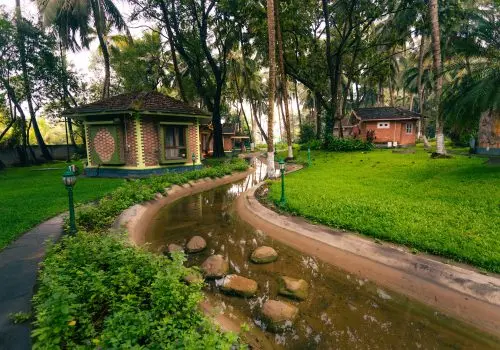
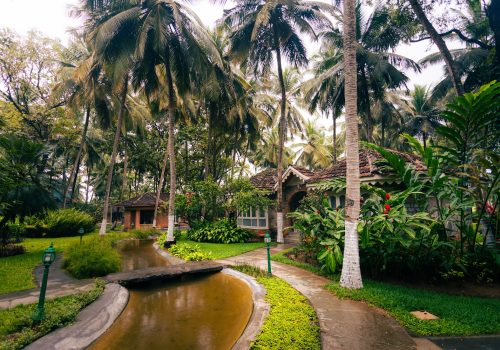
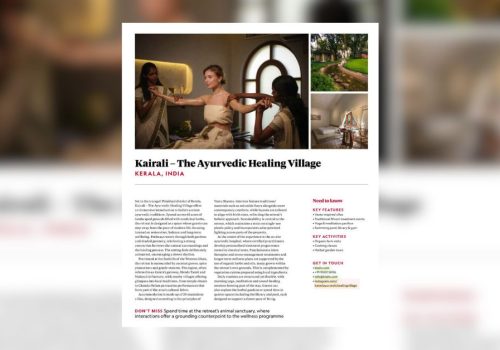
At Kairali – The Ayurvedic Healing Village in Kerala, every wellness programme begins with a consultation. Before any therapy is recommended, an Ayurvedic physician spends time understanding the guest’s constitution, lifestyle, daily routine, and overall health goals.
Only then is an individual programme created.
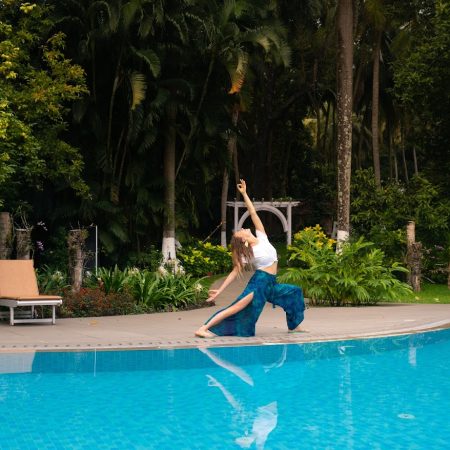
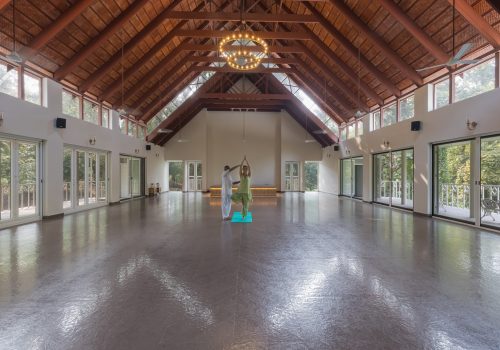
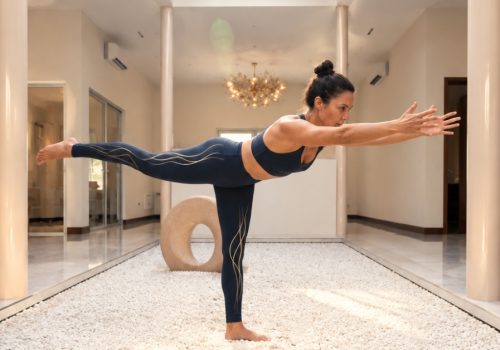
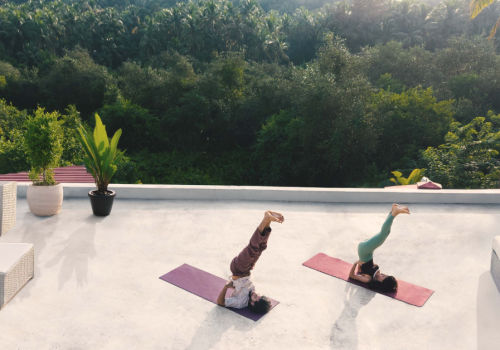
For one guest, the focus may be on rest and relaxation. For another, it may involve yoga, dietary guidance, or a different combination of classical Ayurvedic therapies.
The Role of Traditional Therapies
Some Ayurvedic therapies have become well known across the world, but they are often misunderstood as standalone spa treatments.
Take Abhyanga, for example.
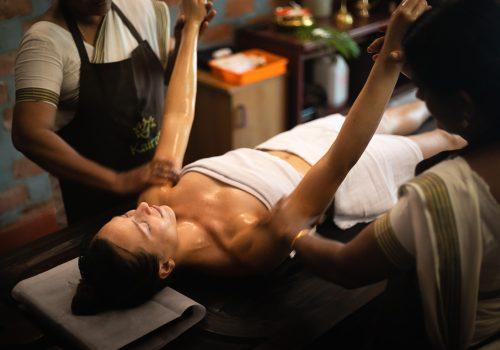
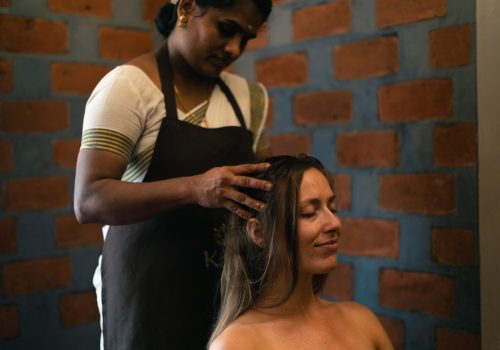
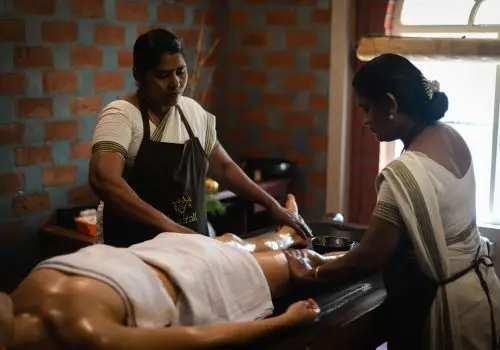
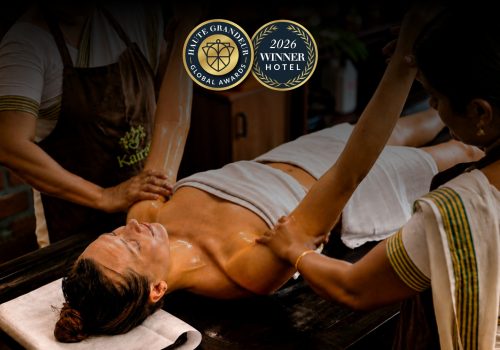
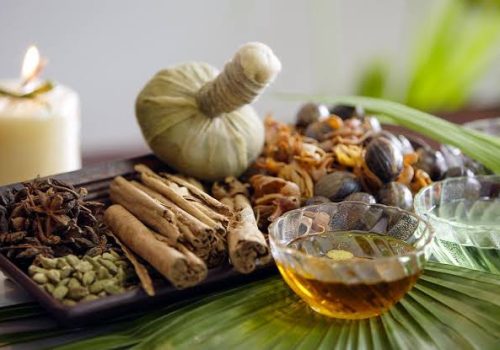
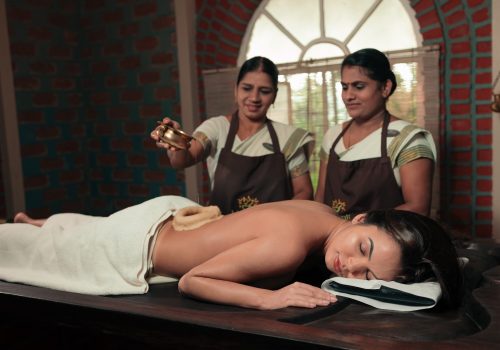
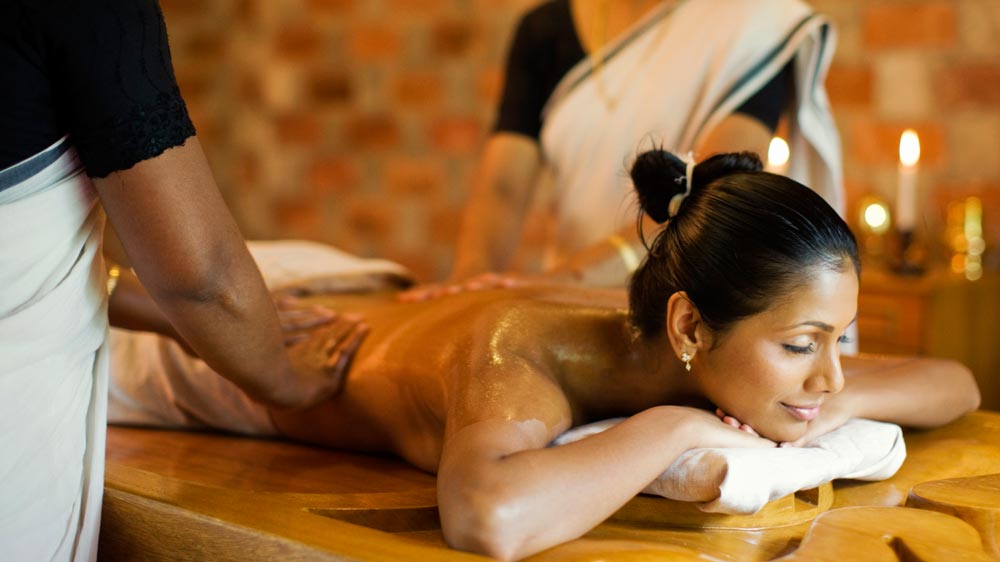
It is commonly described as a warm oil massage, but within Ayurveda it is much more than that. The herbal oils, the rhythm of the massage, and even the duration of the treatment are chosen according to the individual’s needs.
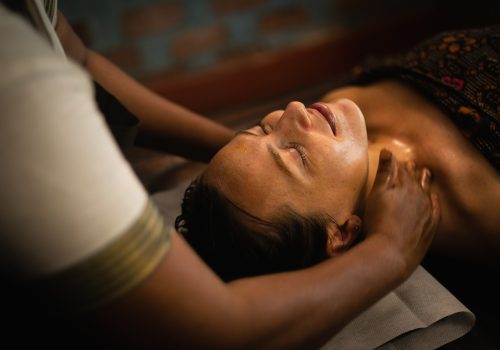
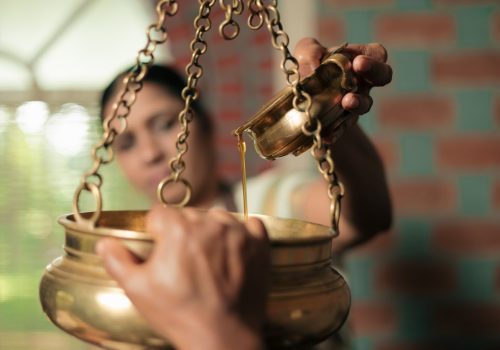
The same is true of Shirodhara, where a gentle stream of warm herbal oil is poured across the forehead. Many people associate it with relaxation, yet in classical Ayurveda it is selected only after careful assessment by a physician.
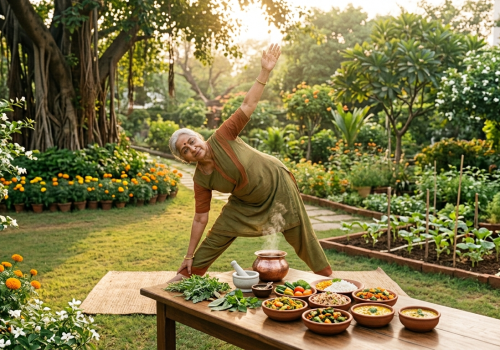
These therapies are rarely performed in isolation. They are usually combined with appropriate nutrition, yoga, breathing practices, and lifestyle recommendations as part of a broader wellness programme.
Wellness Doesn’t End When You Leave
Perhaps the greatest difference between an Ayurvedic programme and a conventional spa visit is what happens afterwards.
The goal is not simply to help someone feel relaxed during their stay. It is to help them return home with healthier habits they can continue every day.
That may include simple changes to daily routines, eating patterns, sleep, movement, or breathing practices—small adjustments that become part of everyday life rather than something reserved for holidays.
Why Ayurveda Still Feels Relevant
The modern wellness industry continues to introduce new therapies every year. Some become global trends before quietly disappearing.
Ayurveda has endured because its central idea has remained remarkably consistent.
Health is not created by one massage, one treatment, or one weekend away.
It grows from the choices we make every day.
At Kairali – The Ayurvedic Healing Village, that philosophy shapes every physician-led wellness programme. Classical Ayurvedic therapies are combined with yoga, personalised nutrition, and lifestyle guidance, giving guests an opportunity to experience Ayurveda as it has traditionally been practised—not simply as a spa treatment, but as a complete approach to wellbeing.
Perhaps that explains why, even as wellness trends continue to evolve, Ayurveda remains as relevant today as ever.