































In the weeks leading up to Holi, we notice a predictable pattern in many guests arriving at Kairali – The Ayurvedic Healing Village: a “heavy head,” sluggish digestion, sticky congestion, low motivation, dull skin, and that oddly persistent tiredness—even after a full night’s sleep.
From an Ayurvedic lens, this is not random. Spring is Kapha season, and as the weather warms, accumulated winter heaviness begins to melt and move. That transition can feel like relief—or like your body is “clogged” and resistant. Holi, as a festival of color, joy, and new beginnings, arrives at exactly the time Ayurveda would recommend something similar: a conscious reset.
This article is your practical guide to springtime Ayurvedic renewal—with safe home routines, food changes, and a clear explanation of which Kairali programs (including Ayurvedic rejuvenation packages) best match Kapha season needs—especially if you’re seeking a Kerala Ayurvedic retreat or a holistic wellness retreat with authentic Ayurvedic treatments.
1) Why spring aggravates Kapha (and why Holi feels symbolic)
Kapha dosha is made of earth + water elements—qualities like heaviness, stability, coolness, oiliness, and slow flow. Winter naturally builds Kapha through colder weather, heavier foods, less movement, and more sleep.
When spring arrives:
- the sun warms the body and environment
- stored heaviness begins to loosen
- mucus and fluids become more mobile
- appetite may feel inconsistent
In Ayurveda, this is called a seasonal shift where Kapha accumulates in late winter and aggravates in spring. The result can show up as:
- lethargy, “brain fog,” low enthusiasm
- slow digestion, bloating, cravings for sweet/salty
- sinus heaviness, allergies, phlegm
- water retention, dull skin
- emotional heaviness or attachment patterns
Holi—with its themes of release, play, and renewal—arrives when the body is already trying to “shed winter.” Ayurveda simply offers a structured way to do it gently and safely.
2) The Kapha-spring mismatch: what most people do wrong
A common spring mistake is trying to “fix” heaviness with extremes:
- skipping meals → worsens sluggish digestion long-term
- overly intense workouts → burnout and inflammation
- harsh detoxes → dehydration, acidity, rebound cravings
- random fasting without guidance → destabilizes Vata
Ayurveda doesn’t chase extremes; it restores agni (digestive fire) and clears ama (metabolic residue) through steady, seasonal choices.
3) A practitioner-style case snapshot
One guest (early 40s, frequent traveler) arrived at our Kerala center right after a busy winter schedule—sleep irregular, constant snacking, morning congestion, and a mood described as “flat.” Their goal wasn’t “treating an illness,” but feeling light and clear again.
After an Ayurvedic assessment, we focused on:
- Kapha-pacifying food rhythm
- daily movement matched to stamina
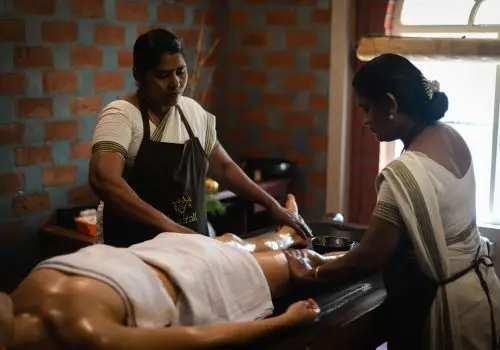
- therapies aimed at improving circulation and lymphatic flow
- guided routines to support sleep and mental clarity
By the second week, they reported:
- lighter mornings and improved appetite cues
- clearer breathing on waking
- steadier energy through the day
- reduced cravings and better motivation
Important note: outcomes vary by constitution, lifestyle, and baseline health. For anyone with medical conditions, pregnancy, or medications, a clinician’s guidance is essential.
4) Spring reset the Ayurvedic way: what to do at home
Below are gentle, generally safe practices many people use in spring. Keep them simple, and don’t push through discomfort.
A) Morning routine: lighten Kapha without shocking the body
1) Wake a little earlier (when possible)
Kapha time in Ayurveda is typically early morning. If you oversleep, heaviness increases.
2) Warm water first
Sip warm water to encourage movement and digestion.
3) Dry brushing (garshana) or gentle exfoliation
A brisk, upward massage (dry glove/silk) supports circulation and helps counter Kapha heaviness.
4) Movement before breakfast
- brisk walk
- sun salutations (if appropriate)
- light cardio that makes you breathe a bit deeper
Consistency matters more than intensity.
B) Food rhythm for Kapha season (spring)
Kapha responds well to warm, light, spiced, freshly cooked foods.
Favour:
- warm vegetable soups, moong dal, lightly spiced khichdi
- bitter and astringent tastes (greens, lentils, millets)
- ginger, black pepper, cumin, coriander (as tolerated)
- steamed veggies over heavy dairy-based meals
Reduce (especially in spring):
- heavy dairy, cold smoothies, ice water
- deep fried foods, excess sweets
- late-night eating
- overeating “healthy” nuts and cheese (still heavy)
Simple Kapha-supportive lunch idea:
Moong dal + sautéed greens + a squeeze of lime + a small portion of cooked grains.
C) Holi-specific wellness tips (because colors, sweets, and late nights happen)
Holi is joyful—and often indulgent. Ayurveda doesn’t forbid celebration; it encourages smart buffers.
Before Holi:
- oil your skin lightly (a small amount of sesame/coconut depending on sensitivity)
- protect hair with a light oiling
- eat a warm, balanced meal earlier in the day (don’t play on an empty stomach)
After Holi:
- shower with gentle cleansers; avoid harsh scrubbing
- hydrate with warm water or cumin-coriander-fennel infusion
- go lighter at dinner (soup/khichdi)
- sleep on time the next day if possible
5) What “Ayurvedic renewal” really means (beyond detox trends)
In classical Ayurvedic thinking, spring is an ideal time to:
- support digestion and metabolism
- clear excess mucus and stagnation
- refresh routine and mental clarity
- reset appetite cues and sleep rhythm
This is why many people search for a holistic wellness retreat in spring: they’re not necessarily “sick”—they’re simply ready to feel lighter, clearer, and more energized.
6) The Kairali match: programs that best suit Spring + Kapha
If your spring symptoms feel persistent—or you want a guided, structured seasonal reset—this is where a well-designed Kerala Ayurvedic retreat can help, because therapies are chosen after an assessment (prakriti/vikriti), not from a menu.
Program fit #1: Ayurvedic Rejuvenation Packages (Spring-friendly reset)
If your goal is: energy, glow, digestion rhythm, sleep quality, lighter body feel
Kairali’s Ayurvedic rejuvenation packages are often chosen in spring because they support overall balance and vitality—without the harshness of fad detoxes.
Why it suits Kapha season:
- improves routine consistency (food, sleep, movement)
- supports metabolism and circulation
- includes therapies selected for your constitution
Best for: first-time retreat guests, busy professionals, couples, post-winter fatigue.
Program fit : Panchakarma-based seasonal cleansing
If your goal is: deeper clearing of heaviness and long-standing stagnation
A properly supervised Panchakarma approach may be recommended—not as a quick cleanse, but as a phased process with preparation, therapies, and post-care.
Why it suits Kapha season:
- spring is traditionally considered supportive for clearing accumulated Kapha
- emphasizes structured diet + therapies + rest
- supports long-term routine changes beyond the retreat
Best for: repeat Ayurveda guests, those wanting a deeper reset under supervision.
Program fit #3: Weight & metabolism support (Kapha-balancing lifestyle focus)
If your goal is: healthy weight management, cravings, sluggish metabolism patterns
Spring is when many people feel ready to re-enter activity and simplify food. A program focused on metabolism and lifestyle can be paired with authentic Ayurvedic treatments, yoga, and mindful nutrition.
Best for: those who feel “stuck,” snack-driven, or sedentary post-winter.
Program fit #4: Stress, sleep & emotional heaviness reset (Kapha-mind support)
Kapha imbalance isn’t only physical. It can show up as:
- emotional dullness
- low drive
- comfort-eating
- resistance to change
A retreat program that integrates therapies, breathwork, yoga, and a steady routine can help you feel mentally lighter—especially around spring transitions.
7) What “authentic Ayurvedic treatments” look like at a true Kerala center
When people search for authentic Ayurvedic treatments, what they usually mean is:
- assessment-led therapy selection (not “spa packages”)
- classical therapy protocols performed by trained therapists
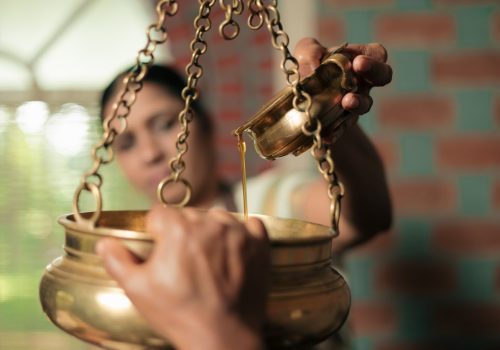
- quality-controlled oils and herbs
- diet and lifestyle aligned to your dosha and season
- continuity: post-retreat guidance for home routine
At Kairali’s Kerala center, the environment itself supports reset—fresh air, calm spaces, and a structure designed to make wellness repeatable, not just “relaxing.”
Conclusion
Spring—and the festive spirit of Holi—naturally marks a time of release and renewal. In Ayurveda, this season tends to aggravate Kapha, which is why many people experience heaviness, sluggish digestion, congestion, dull skin, or low motivation. The solution isn’t extreme detoxing—it’s a smart seasonal reset: warm, light meals, daily movement, supportive morning routines, and habits that rekindle digestive fire.
If you feel “stuck” despite doing the basics, a guided reset through a Kerala Ayurvedic retreat can make the transition easier and more effective. At Kairali – The Ayurvedic Healing Village, personalized consultations, authentic Ayurvedic treatments, and carefully designed Ayurvedic rejuvenation packages offer a structured path to feel lighter, clearer, and more energized—so you step into spring with real vitality, not just temporary relief.
Website: www.ktahv.com
Call: +91-9555156156
About the Author
Dr. Rahul R is a dedicated Ayurvedic physician at Kairali – The Ayurvedic Healing Village, bringing over 7 years of clinical experience in holistic diagnosis and personalized healing. Known for his calm demeanor and patient-centered approach, Dr. Rahul excels in decoding the subtle intricacies of the human constitution through the lens of Ayurveda.
Dr. Rahul believes that every body speaks its own language—and that Ayurvedic wisdom offers the most intuitive way to listen. His practice is rooted in balance, sustainability, and self-awareness, empowering guests to take charge of their well-being beyond treatment. He combines classical diagnostic tools like Nadi Pariksha (pulse reading) with modern wellness insights to provide grounded and practical healing recommendations.