






























Eggs are a staple food in many cultures, valued for their high-quality protein, vitamins, and minerals. Yet if you’ve begun exploring Ayurveda, you may have encountered differing opinions about whether eggs fit into an Ayurvedic lifestyle.
The answer isn’t a simple yes or no.
Unlike many modern diets that classify foods as universally “good” or “bad,” Ayurveda considers the individual before recommending any food. Factors such as your constitution (Prakriti), current imbalances (Vikriti), digestive capacity (Agni), age, activity level, season, and overall health all influence dietary guidance.
This personalised approach explains why eggs may be appropriate for some individuals while others may be advised to limit or avoid them.
Does Ayurveda Prohibit Eggs?
Classical Ayurvedic texts do not present a universal prohibition against eggs for everyone. Instead, Ayurvedic nutrition focuses on selecting foods that support balance for the individual.
Many traditional Ayurvedic wellness centres—including residential Panchakarma programmes—serve predominantly vegetarian meals. This reflects the therapeutic goals of these programmes rather than a universal rule that eggs should never be eaten.
Dietary recommendations should always be made within the context of an individual’s health needs and treatment objectives.
How Ayurveda Evaluates Foods
Ayurveda evaluates foods according to several characteristics, including:
- Rasa (taste)
- Guna (qualities)
- Virya (heating or cooling potency)
- Vipaka (post-digestive effect)
- Their influence on Vata, Pitta, and Kapha
Rather than asking whether eggs are “healthy,” Ayurveda asks a different question:
“Are eggs appropriate for this individual, at this time, in this quantity?”
When Eggs May Be Appropriate
An Ayurvedic practitioner may consider eggs appropriate in certain circumstances, depending on the individual’s constitution and health status.
Examples may include:
Supporting Increased Nutritional Needs
Some individuals recovering from illness or those with higher nutritional requirements may benefit from protein-rich foods, including eggs, if they are well tolerated.
For Individuals with Strong Digestion
Ayurveda places significant emphasis on digestive strength (Agni). People with robust digestion may tolerate richer foods better than those with weakened digestion.
As Part of an Individualised Plan
Diet is never prescribed in isolation. Eggs, if included, would be considered alongside the person’s constitution, lifestyle, activity level, and therapeutic goals.
When Eggs May Be Limited
Ayurvedic practitioners may recommend reducing or avoiding eggs in certain situations.
These may include:
During Therapeutic Detoxification
Many Panchakarma programmes use carefully planned diets that are designed to support the objectives of the therapy. Eggs may not form part of these therapeutic meal plans.
If Digestion Is Impaired
If digestion is sluggish or an individual experiences digestive discomfort after consuming eggs, an Ayurvedic practitioner may recommend lighter foods until digestion improves.
During Certain Lifestyle or Spiritual Practices
Some individuals following a predominantly Sattvic dietary pattern—for example during yoga retreats, meditation programmes, or specific spiritual observances—choose to avoid eggs.
These choices are often based on philosophical or lifestyle considerations rather than nutritional concerns alone.
Why Personalisation Matters
One of Ayurveda’s defining principles is that there is no universal diet suitable for everyone.
Two people eating the same meal may respond very differently depending on:
- digestive capacity
- constitution
- age
- activity level
- sleep
- stress
- current health condition
- seasonal influences
This is why Ayurvedic dietary advice is traditionally given after a detailed consultation rather than through general rules.
The Dietary Philosophy at Kairali – The Ayurvedic Healing Village
At Kairali – The Ayurvedic Healing Village, nutrition forms an integral part of the overall wellness programme.
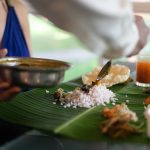
Meals are planned to complement each guest’s prescribed therapies and are based on Ayurvedic dietary principles. During residential wellness and Panchakarma programmes, the emphasis is generally on freshly prepared vegetarian meals designed to support digestion and the objectives of treatment.
Following an Ayurvedic consultation, physicians provide dietary guidance that considers each guest’s constitution, treatment programme, and individual health goals.
Website: www.ktahv.com
Call: +91-9555156156
Many Panchakarma programmes follow therapeutic dietary protocols in which eggs may not be included. Dietary recommendations depend on the treatment plan prescribed by the Ayurvedic physician.
Yes. Ayurveda individualises dietary advice. Depending on the person’s constitution, digestion, nutritional needs, and health condition, an Ayurvedic practitioner may consider eggs appropriate in some situations.
Eggs are generally not classified as Sattvic foods within traditional Ayurvedic dietary philosophy. Individuals following a Sattvic diet often choose plant-based foods such as fruits, vegetables, whole grains, legumes, nuts, seeds, and dairy where appropriate.
Residential Ayurvedic programmes often use vegetarian diets because they align with the therapeutic objectives of many treatments and are intended to support digestion during the programme. Dietary practices may vary between centres and according to individual clinical recommendations.
Not necessarily. Ayurveda does not apply identical dietary recommendations to everyone. If you’re considering significant dietary changes, consult a qualified Ayurvedic practitioner who can assess your individual needs.