

























Metabolic health is shaped by patterns repeated over time: how regularly we eat, how well we sleep, how much we move and how consistently we manage stress.
For people living with type 2 diabetes, hypertension or other metabolic concerns, these habits may form an important part of a wider medical care plan. They do not replace prescribed treatment, clinical monitoring or advice from a physician.
Ayurveda approaches daily health through the relationship between food, digestion, activity, rest and mental state. At a supervised Ayurvedic retreat, these elements can be observed together rather than addressed as isolated habits.
The value of this setting is not that it promises a cure. It is that it provides structure, professional supervision and time to understand which routines may be realistic to continue at home.
How Ayurveda Frames Daily Metabolic Health
Ayurveda places considerable emphasis on agni (digestive and metabolic function), āhāra (food), vihāra (daily conduct) and manas (the mind).
In practical terms, this means looking at questions such as:
- Are meals eaten at regular times?
- Is the largest meal taken when digestion is strongest?
- Is sleep consistent?
- Does the person move enough during the day?
- Are stress and fatigue influencing appetite or routine?
- Are food choices appropriate for the individual’s digestion and medical needs?
These questions are not substitutes for clinical diagnosis. They form part of a broader assessment conducted by a qualified Ayurvedic physician.
What Supervised Care May Involve
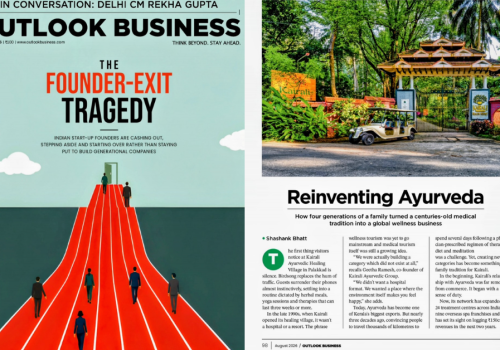
At Kairali, The Ayurvedic Healing Village in Palakkad, guests begin with an individual consultation. The physician may consider constitutional factors, current symptoms, medical history, medication use, sleep, digestion and daily routine.
Existing laboratory reports and medical records may also be reviewed when relevant. Where necessary, the guest may be advised to continue evaluation and treatment with their regular physician.
The retreat programme may then bring together several elements.
Individually Planned Meals
Meals are prepared according to the guest’s assessment and clinical requirements.
The emphasis is generally on freshly prepared food, regular meal timing and portion awareness. Ingredients and preparation methods may be adjusted according to digestive capacity, current health, medication and the physician’s guidance.
There is no single Ayurvedic menu that is suitable for every person with a metabolic condition.
Appropriate Daily Movement
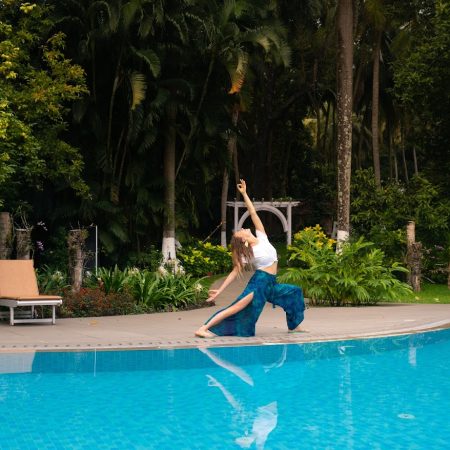
Movement may include walking, mobility work or gentle yoga adapted to the individual’s age, strength and health status.
The purpose is to establish a routine that can be followed safely and consistently. More intensive practice is not automatically better, particularly for guests with medical conditions or limited mobility.
Breath and Relaxation Practices
Breathing exercises, meditation and guided relaxation may be included to support a calmer daily rhythm.
These practices are taught according to the person’s capacity. Guests with cardiovascular, respiratory or other medical concerns should practise only under appropriate professional guidance.
Physician-Selected Ayurvedic Therapies
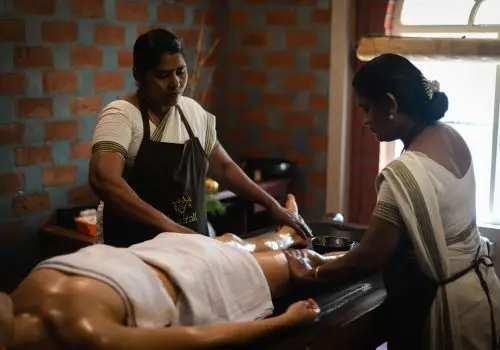
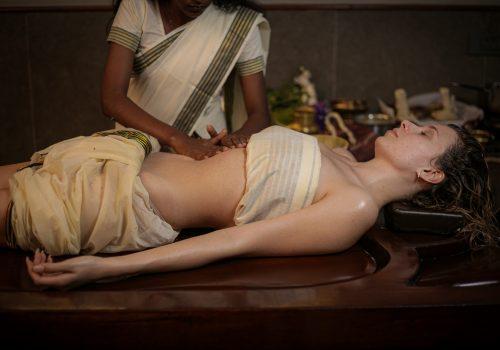
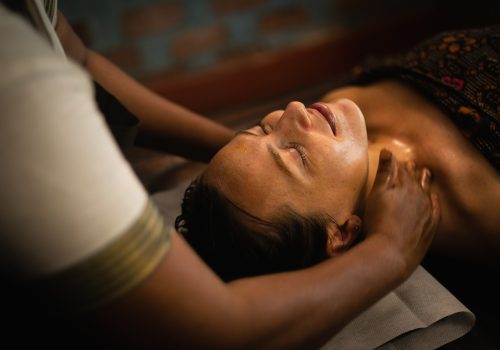
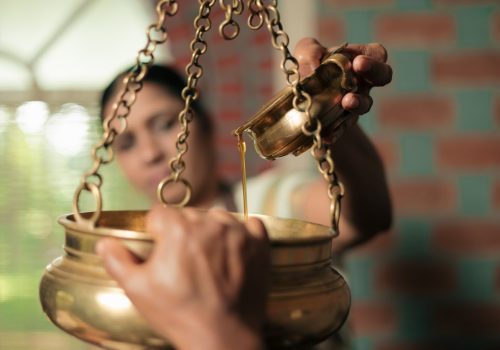
Some guests may be advised to undergo external Ayurvedic therapies or selected elements of Panchakarma.
These are not standard additions to every programme. The choice of therapy depends on the individual’s health, strength, symptoms and medical history.
Internal medicines or herbal preparations should only be used when prescribed by a qualified practitioner who is aware of the person’s existing medicines and medical conditions.
Why Routine Matters
One of the practical advantages of a residential programme is consistency.
Meals are served at regular times. Movement and rest are built into the day. Sleep routines can be observed. Physicians are able to review how the guest responds and make adjustments where appropriate.
This makes the retreat less about temporary intensity and more about understanding patterns.
A guest may discover that late meals affect sleep, that irregular eating increases discomfort or that a daily walk is easier to maintain when it is linked to a fixed time. These are observations, not promised outcomes.
What Guests Can Take Home
The most useful result of a supervised retreat is often a realistic routine rather than an ambitious list of instructions.
A home plan may include:
- A more consistent meal schedule
- Simple guidance on meal composition
- An appropriate level of daily movement
- A regular sleep and waking time
- Safe breathing or relaxation practices
- Follow-up with an Ayurvedic physician
- Continued coordination with the treating medical team
The plan should take account of medication, work, travel, family responsibilities and access to suitable food.
It should not require the guest to stop prescribed treatment, make independent medication changes or follow unsupervised cleansing practices.
Questions to Ask Before Choosing a Retreat
Anyone considering an Ayurvedic retreat while managing a medical condition should ask:
- Will the programme be planned by a qualified Ayurvedic physician?
- Will my current medicines and reports be reviewed?
- Are therapies adapted to my medical history?
- How are safety concerns identified?
- Will I receive practical guidance for returning home?
- Can the retreat coordinate with my regular physician where necessary?
Clear answers to these questions are more useful than promises about rapid or permanent results.
A Complementary, Supervised Approach
Ayurveda can offer a structured way to examine the routines surrounding food, digestion, movement, sleep and stress.
For people with diabetes, hypertension or other metabolic concerns, this approach should remain complementary to conventional medical care. It should not be presented as a cure, a replacement for medication or a guaranteed method of changing clinical measurements.
At Kairali’s Palakkad centre, the purpose of supervision is to make the programme individual, measured and appropriate to the guest’s wider health.
The aim is not to promise a result. It is to help each person build a daily routine that is safer, clearer and more realistic to maintain.
Website: www.ktahv.com
Call: +91-9555156156