




























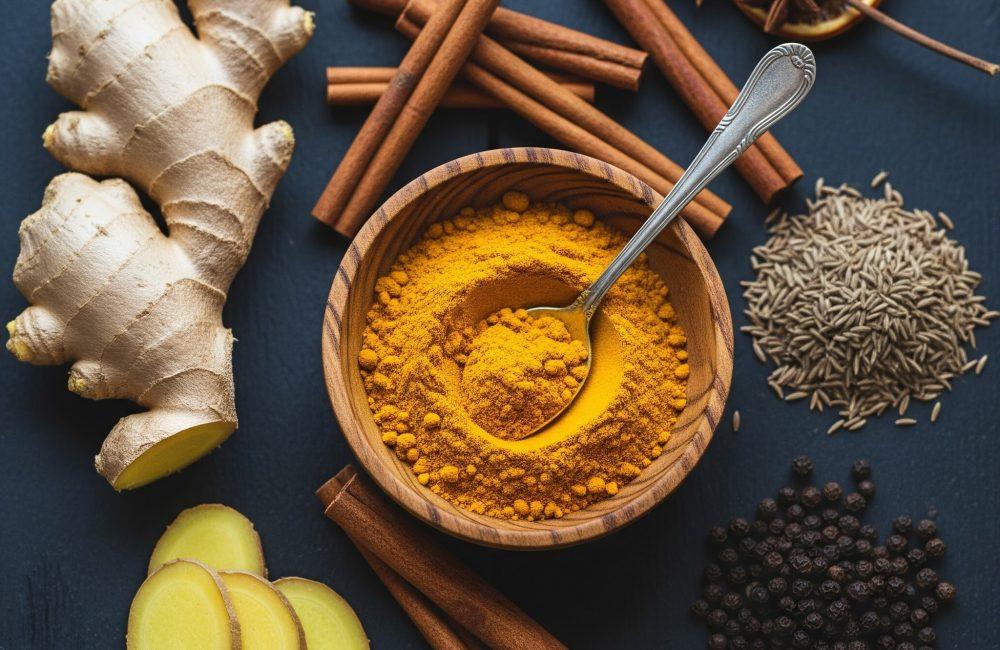

As temperatures dip, everyday spices in an Indian masala dabba—turmeric, ginger, cinnamon, cumin, fennel, and black pepper—can be used in simple, food-first ways that support comfort, digestion, and seasonal routines. The overview below distills practical tips from a recent explainer and pairs them with what current studies say about safety and efficacy.
1) Turmeric (Haldi): bedtime comfort & absorption basics
- How to use (food-first): A small bedtime “golden milk” made by warming milk (dairy/plant) with ~½ tsp turmeric, a pinch of black pepper, a sliver of ginger, and a hint of cinnamon.
- Why pepper matters: Piperine (in black pepper) can markedly increase curcumin bioavailability; the oft-quoted “~2000%” increase originates from a human study with 20 mg piperine co-administered with curcumin. Effects vary by formulation and newer work shows nuances, but pepper remains a reasonable culinary pairing.
2) Ginger (Adrak): morning digestion & travel nausea
- How to use: Steep thin slices of fresh ginger in hot water on waking; add lemon/honey if tolerated. Keep a little candied ginger after meals for bloating.
- What studies suggest: Systematic reviews find ginger can help mild nausea (e.g., motion, some pregnancy cases) and may aid gastric comfort; dosing in trials often ~500–1500 mg/day of standardized forms. Not all indications show consistent benefit.
- Tolerability: Generally well-tolerated; high doses may aggravate reflux or interact with blood thinners.
3) Cinnamon (Dalchini): steady energy with meals
- How to use: Sprinkle on porridge/yogurt/coffee or simmer a stick in rice or stewed winter fruits; think of it as a flavor that may complement glucose-steady eating patterns.
- What studies suggest: Meta-analyses of randomized trials explore cinnamon as an adjunct for glycemic control in type 2 diabetes, with mixed but promising signals; not a substitute for prescribed care.
4) Cumin (Jeera) & Fennel (Saunf): after-meal ease
- How to use: Lightly roast cumin for jeera paani (sip warm through the day). After meals, chew a tsp mix of fennel + cumin to freshen breath and stimulate digestive enzymes.
- What studies suggest: Traditional “carminative” use is supported by pharmacology and small studies; robust clinical evidence is still developing.
5) Black Pepper (Kali Mirch): the “multiplier”
- How to use: Crack fresh pepper onto savory dishes, especially those with turmeric; its warming quality also suits colder months.
- Why it helps: Piperine can enhance absorption of certain nutrients and phytochemicals (including curcumin) in specific contexts; culinary amounts are a pragmatic, food-based approach.
Simple winter routines (non-prescriptive)
- AM: Ginger tea before breakfast → gentle movement
- Meals: Favor warm, lightly spiced foods; add fennel/cumin post-meal if gassy
- PM: Turmeric “golden milk” with a pinch of pepper before bed
These align with seasonal kitchen practices highlighted in the article while staying within safe culinary dosages.
Safety, interactions & when to be cautious
- Medication interactions:
- Ginger: caution with anticoagulants/antiplatelets and in reflux-prone individuals.
- Cinnamon: monitor if you have diabetes and are on medications; use culinary amounts unless advised otherwise.
- Form matters: Culinary use (whole spices, teas, small pinches) differs from supplements; research often uses standardized capsules. Food-first habits are safer for self-care.
- Allergies & pregnancy: Individualize, and seek practitioner advice for persistent symptoms or if pregnant/feeding.
Conclusion
Used in everyday culinary amounts, winter spices like turmeric, ginger, cinnamon, cumin, fennel, and black pepper can make cold-season meals warmer, easier to digest, and more enjoyable. The strongest evidence supports simple, food-first habits—ginger for occasional nausea, turmeric paired with black pepper for better curcumin uptake, and cinnamon as a flavor that complements steady-glucose eating—while recognizing that results vary by person and context. Start low, observe your own tolerance, and avoid doubling up with supplements unless a qualified practitioner advises it. If you’re pregnant, managing a chronic condition, or on prescription medicines (especially blood thinners or diabetes medications), seek individualized guidance before changing your routine. This approach keeps winter wellness grounded in the kitchen, respectful of tradition, and aligned with 2026 safety and compliance standards—informative, practical, and non-prescriptive.
About the Author
Dr. Rahul R is a dedicated Ayurvedic physician at Kairali – The Ayurvedic Healing Village, bringing over 7 years of clinical experience in holistic diagnosis and personalized healing. Known for his calm demeanor and patient-centered approach, Dr. Rahul excels in decoding the subtle intricacies of the human constitution through the lens of Ayurveda.
Dr. Rahul believes that every body speaks its own language—and that Ayurvedic wisdom offers the most intuitive way to listen. His practice is rooted in balance, sustainability, and self-awareness, empowering guests to take charge of their well-being beyond treatment. He combines classical diagnostic tools like Nadi Pariksha (pulse reading) with modern wellness insights to provide grounded and practical healing recommendations.