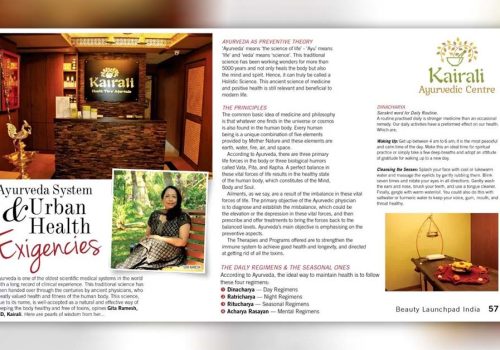


















Kerala has long been associated with Ayurveda, and over the years, a number of international travel publications have highlighted the state’s Ayurvedic retreats.
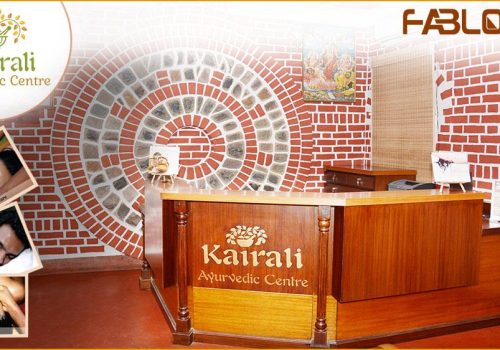
One such feature came from About.com, where travel writer Sharell Cook included Kairali Ayurvedic Health Resort, now known as Kairali – The Ayurvedic Healing Village, in a guide to Ayurvedic resorts in Kerala.
The feature is worth revisiting not simply because Kairali appeared on the list, but because it highlighted something that still matters today: the difference between a resort that offers Ayurvedic treatments and a centre where Ayurveda forms the core of the guest experience.
An Early International Mention for Kairali
In the article Kerala Ayurvedic Resorts for All Budgets, Sharell Cook described Kairali as a well-managed Ayurvedic retreat in Palakkad.
At the time, the property was known as Kairali Ayurvedic Health Resort.
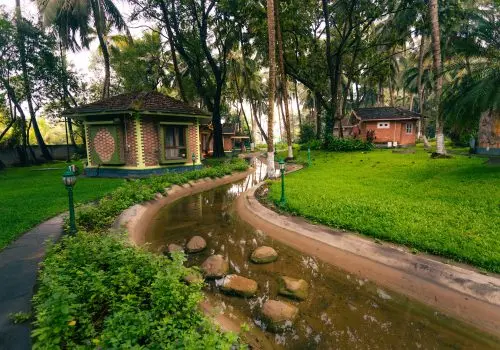
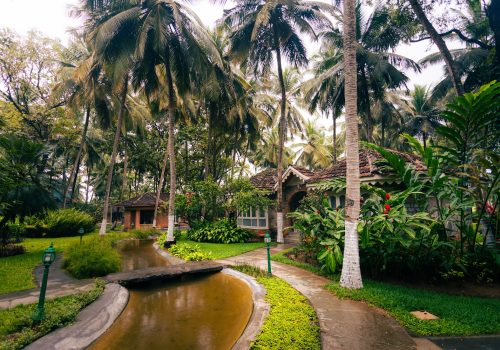
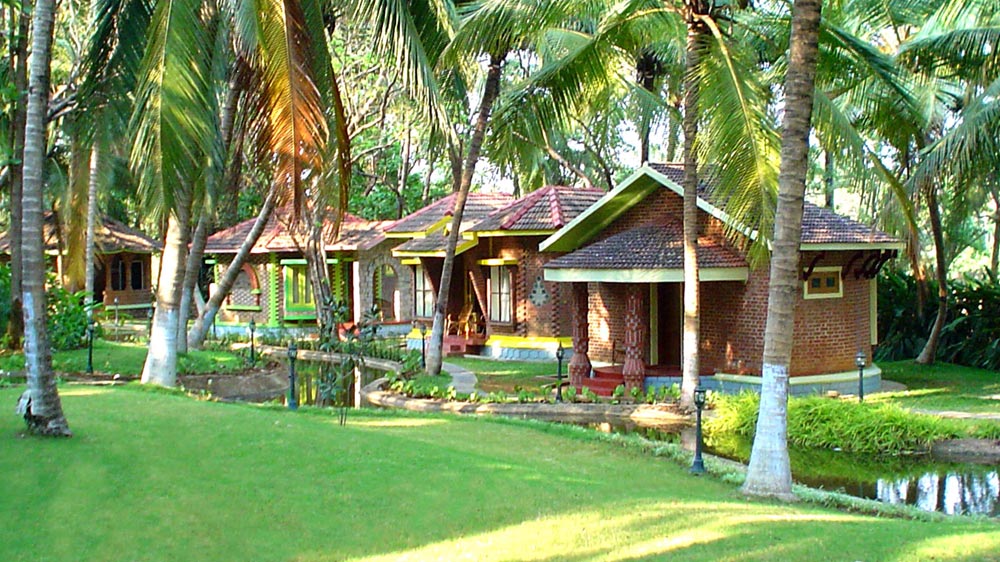
The article noted that Ayurveda was taken seriously at the centre and drew attention to features such as vegetarian food, yoga, meditation, natural surroundings and Ayurvedic therapies.
For international travellers discovering Ayurveda through travel publications, this kind of coverage helped explain that Ayurvedic retreats in Kerala could vary significantly in their approach.
Why the Distinction Matters
The word “Ayurvedic resort” can describe very different experiences.
Some properties may offer a small number of Ayurveda-inspired therapies alongside conventional spa services. Others place physician consultation and Ayurvedic assessment at the centre of the stay.
That distinction was already visible in the About.com article.
The guide suggested that travellers should look beyond the setting and consider the quality and seriousness of the Ayurvedic care being offered. It also acknowledged that people with significant health concerns may need to consider a more medically supervised Ayurvedic setting rather than a general wellness holiday.
That remains a useful principle today.
More Than a Resort Experience
One of the points highlighted in the original feature was that Kairali combined the atmosphere of a retreat with a more structured approach to Ayurveda.
The natural setting, vegetarian meals, yoga and meditation were part of the experience, but they were not presented as substitutes for Ayurvedic care.
Today, Kairali – The Ayurvedic Healing Village continues to operate in Palakkad as a physician-led Ayurvedic centre.
For travellers, this distinction matters because a residential Ayurvedic programme is not simply about receiving a massage or following a standard wellness itinerary.
A more rigorous approach involves individual assessment, practitioner supervision and therapies selected according to the guest’s needs and suitability.
Why Kerala Became a Major Ayurveda Destination
Kerala has developed a particularly strong association with Ayurveda because of its long-established practitioner community, regional treatment traditions and wider tourism infrastructure.
For many international visitors, this combination made Kerala one of the first places where Ayurveda was encountered as a complete residential experience rather than as an isolated therapy.
Over time, this created a broad spectrum of offerings, ranging from wellness resorts to more clinically oriented Ayurvedic centres.
That variety makes informed choice important.
What Should Travellers Look for Today?
Older travel guides often focused on setting, accommodation and general treatment quality.
Today, travellers can ask more specific questions.
Before choosing an Ayurvedic retreat, it is worth finding out:
- whether consultations are conducted by qualified Ayurvedic physicians;
- whether therapies are individually planned;
- how medical history and current medication are taken into account;
- whether the centre holds relevant healthcare accreditation;
- how contraindications are handled;
- and whether the provider clearly distinguishes traditional Ayurvedic use from proven medical outcomes.
These questions give a more meaningful picture than a simple ranking.
From Kairali Ayurvedic Health Resort to The Ayurvedic Healing Village
The name change from Kairali Ayurvedic Health Resort to Kairali – The Ayurvedic Healing Village also reflects the way the property is positioned today.
The earlier “health resort” terminology placed the emphasis partly on hospitality.
The current name gives greater prominence to the residential Ayurvedic environment itself.
That does not make the setting or guest experience unimportant. Rather, it places those elements around the Ayurvedic programme instead of allowing them to define it.
Looking Back at the About.com Feature
Travel journalism changes quickly.
Websites disappear, prices become outdated, properties evolve and standards change. For that reason, older media coverage is best read as a record of how a destination or institution was perceived at a particular point in time.
The About.com feature is useful in exactly that way.
It shows that Kairali was already being recognised internationally not simply for its location or amenities, but for taking Ayurveda seriously within a retreat environment.
That distinction remains relevant for anyone considering an Ayurvedic stay in Kerala today.
The most useful question is not necessarily, “Which retreat was once ranked the best?”
A better question is:
How is Ayurveda actually practised there, and what can the traveller verify about the people, standards and processes behind the experience?
That is a much stronger basis for choosing an Ayurvedic retreat than any list alone.