













Travellers considering an Ayurvedic retreat in Kerala often ask a practical question: what should good hygiene look like in a traditional treatment setting?
The answer is not always obvious.
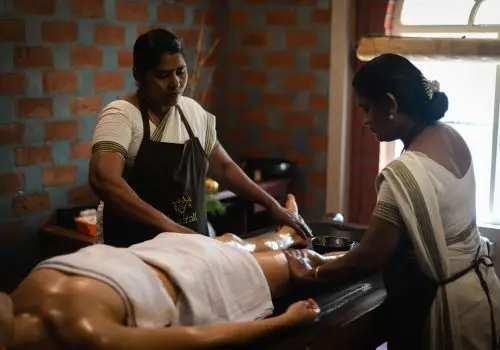
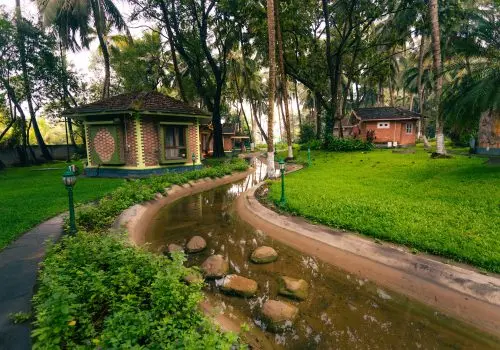
Ayurvedic retreats may use medicated oils, herbal powders, decoctions, steam therapies and frequent linen changes. Many are also designed around gardens, open corridors and natural ventilation rather than sealed spa interiors.
This means cleanliness may look different from the polished, enclosed environment of a European hotel spa. But different should not mean unclear.
A credible Ayurvedic retreat should be able to explain how it manages treatment rooms, linens, water, food preparation, practitioner hygiene and the handling of oils and herbal materials.
Hygiene is more than appearance
A spotless reception area does not tell you how a treatment room is cleaned between guests.
In a wellness setting, hygiene includes several areas:
- hand hygiene
- clean treatment surfaces
- safe handling of oils and herbal preparations
- fresh linen
- food safety
- water quality
- waste disposal
- pest control
- clear separation between clean and used materials
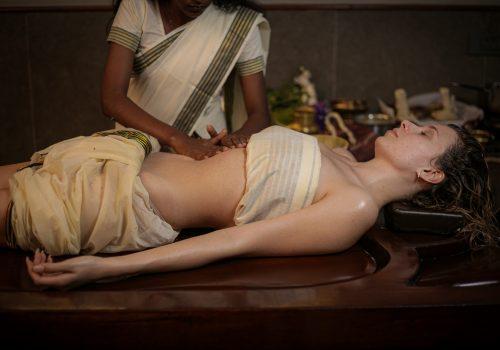
These processes matter because Ayurvedic therapies often involve direct skin contact, warm oils, wooden treatment tables and repeated use of therapy spaces throughout the day.
The quality of a retreat depends not only on how calm it feels, but also on how consistently these practical systems are followed.
Why Ayurvedic treatment rooms require specific care
Ayurvedic therapies create different housekeeping demands from a standard massage.
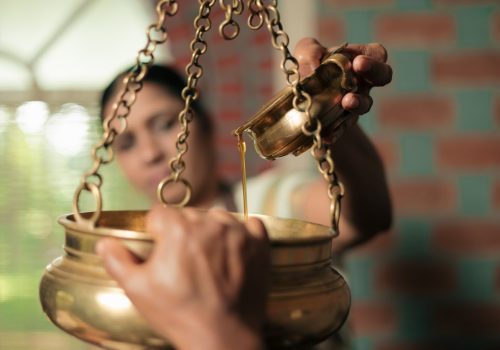
Oil can remain on floors, furniture and equipment if it is not removed properly. Herbal powders and pastes may leave residue. Steam and humidity can also affect surfaces and ventilation.
A well-managed treatment room should feel prepared before the session and properly reset afterwards.
Travellers may reasonably ask:
- Is fresh linen used for each guest?
- Are treatment surfaces cleaned between sessions?
- How are used oils and materials disposed of?
- Are bowls and tools cleaned after each treatment?
- How are floors kept safe after oil therapies?
- Are therapists expected to wash their hands before and after treatment?
A serious retreat should be comfortable answering these questions.
Accreditation can help, but it is not the whole picture
Accreditation can provide useful evidence that a facility has formal systems and defined standards.
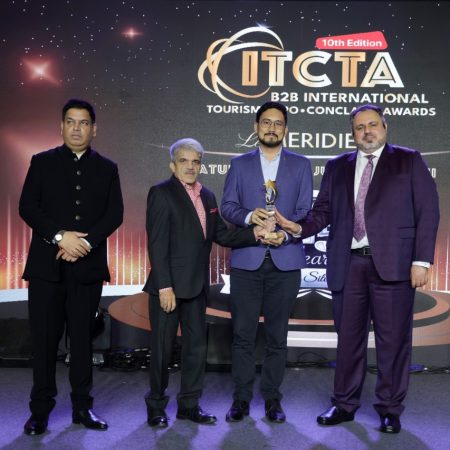
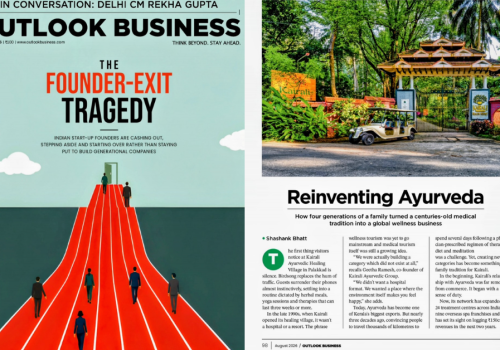
Kairali – The Ayurvedic Healing Village is an NABH-accredited Ayurvedic hospital. NABH accreditation is a relevant quality signal because it concerns healthcare processes rather than décor alone.
However, guests should not rely only on a badge or certificate.
They should also look at how the property communicates its daily practices. A retreat that takes hygiene seriously should be able to explain how treatment rooms are maintained, how food is prepared and how concerns are handled.
Standards are most meaningful when they are visible in practice.
Linen matters more in oil-based therapies
Ayurvedic treatments often involve large quantities of oil. This makes linen handling especially important.
Sheets, towels and therapy cloths may need to be changed more frequently than in a conventional spa. They also require effective washing and complete drying.
Guests should expect linen to feel fresh and appropriately cleaned, even when natural oils are part of the treatment.
It is reasonable to ask how often linen is changed after therapies and whether separate materials are used for different guests.
These are not excessive questions. They are part of informed decision-making.
Food hygiene is part of the treatment environment
At many Ayurvedic retreats, meals form part of the programme.
Food may be adapted according to the guest’s constitution, digestion and treatment plan. But personalisation does not replace basic food-safety practice.
Travellers should look for:
- freshly prepared meals
- clean dining and kitchen areas
- clear allergen communication
- safe drinking water
- proper storage of ingredients
- appropriate handling of dairy, cooked foods and herbal preparations
Anyone with food allergies or dietary restrictions should communicate them before arrival and confirm that the retreat can manage them safely.
Water should be discussed clearly
Water quality is a common concern for international travellers.
A retreat should be able to explain what water is provided for drinking and whether bottled, filtered or treated water is used in guest areas.
Guests should also ask whether the same water source is used for drinking, cooking and therapy preparation.
The answers may differ from one property to another. What matters is transparency.
Vague reassurance is less useful than a clear explanation.
Tropical settings require realistic expectations
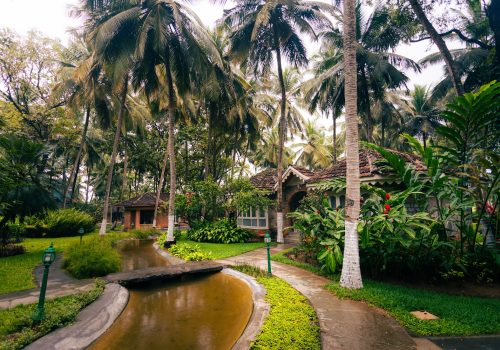
Kerala’s climate is warm and humid. Many retreats are surrounded by vegetation and designed to remain connected to the landscape.
Guests may encounter birds, insects, damp weather and the natural scent of medicated oils or herbs.
This does not automatically indicate poor hygiene.
At the same time, “being close to nature” should not be used to excuse unclean rooms, unsafe surfaces, poorly maintained bathrooms or inadequate pest control.
The distinction is straightforward: a natural environment may feel different from an enclosed city hotel, but the property should still be well maintained.
Open design and cleanliness are compatible
Traditional architecture and modern hygiene are not opposites.
Terracotta floors, wooden furniture, courtyards and open walkways can all be maintained to a high standard. Cleanliness should be judged by condition and care, not by whether a room contains marble, glass or stainless steel.
Travellers should pay attention to details such as:
- whether bathrooms are clean
- whether treatment rooms smell fresh rather than stale
- whether floors are dry and safe
- whether linen is changed promptly
- whether staff respond quickly to concerns
- whether common areas are maintained throughout the day
These observations are often more useful than promotional language.
Solo female travellers should ask practical questions
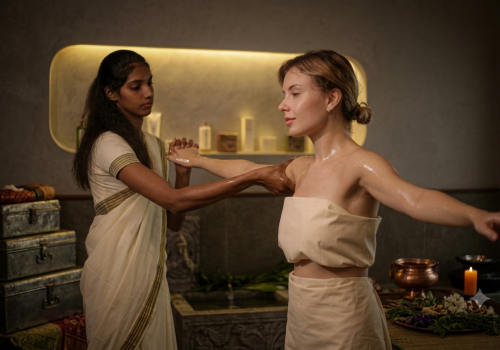
Women travelling alone may have additional concerns about privacy, therapist assignment and after-hours support.
Before booking, ask whether:
- female therapists are available
- treatment-room privacy is clearly maintained
- rooms can be allocated near staffed areas
- someone is available at night
- transfers are arranged by the retreat
- concerns can be reported through a clear contact point
These arrangements vary between properties. They should be confirmed before travel rather than assumed.
A retreat should respond to such questions directly and without making the guest feel difficult for asking.
Be cautious with absolute claims
A retreat may describe itself as pristine, hospital-grade, sterile or internationally benchmarked.
These terms sound reassuring, but they are not always informative.
Ask what the claim means in practice.
Does it refer to accreditation? Internal procedures? External inspections? Staff training? Water testing? Food standards?
Specific answers are more valuable than strong adjectives.
The same principle applies to safety claims. No retreat should promise that every risk has been eliminated. Responsible operators explain how risks are managed and what guests should do if they have a concern.
Questions to ask before booking
A short conversation with the retreat can reveal a great deal.
Consider asking:
- Is the facility accredited or formally classified?
- Are treatments supervised by qualified Ayurvedic physicians?
- How are treatment rooms cleaned between guests?
- Is fresh linen used after oil therapies?
- What drinking water is provided?
- How are dietary allergies handled?
- Can female guests request female therapists?
- Who can be contacted at night?
- How are complaints or hygiene concerns managed?
- Can the retreat explain its treatment and sanitation procedures in writing?
A credible property should not avoid these questions.
What guests can reasonably expect
A good Ayurvedic retreat should offer more than an attractive setting.
Guests should expect:
- clean and maintained rooms
- fresh treatment linen
- professional practitioner conduct
- clear drinking-water arrangements
- safe food handling
- appropriate privacy
- prompt housekeeping
- transparent communication
They should also expect the environment to reflect Kerala rather than imitate a European medical spa.
The goal is not to remove every sign of climate, nature or traditional design. It is to ensure that those features exist within a well-managed treatment setting.
Hygiene should be visible, not merely promised
Ayurveda asks guests to place considerable trust in a retreat.
Treatments may involve close physical contact, specialised preparations, changes in diet and several days or weeks in residence. That trust should be supported by clear standards and honest communication.
Travellers do not need a retreat to resemble a sealed laboratory.
They do need to know that the essentials are being handled carefully.
Before booking, look beyond photographs and slogans. Ask how the property works.
A serious Ayurvedic retreat will understand why the question matters.
Website: www.ktahv.com
Call: +91-9555156156