




























Grief isn’t a problem to “get over.” It’s a natural, profound response to loss that moves through the body as much as the mind—disrupting sleep, appetite, immunity, attention, and the steady rhythms that help us cope. The most effective support blends gentle structure, skilled counseling, and a safe, sensory-calming environment. That is why many people turn to Kerala Ayurveda destinations for bereavement care that honors both emotion and physiology.
At Kairali—The Ayurvedic Healing Village in Palakkad, Kerala, we’ve designed a holistic wellness retreat specifically for grief and bereavement. It integrates counseling-informed care, classical Ayurveda, therapeutic yoga, and nature-based rituals—quietly held by clinicians who understand trauma-sensitive practice. If you’re searching for the best wellness retreats for emotional healing, this ayurvedic retreat in Kerala offers compassionate, personalized support without rushing your process.
Why Ayurveda Helps in Times of Loss
- Whole-person lens: Ayurveda recognizes grief as a Vata-dominant state (restlessness, emptiness, disrupted sleep) that can raise Pitta (irritability) or Kapha (heaviness). Care focuses on stabilizing the nervous system, easing digestion, and restoring daily rhythm (Dinacharya).
- Body-first grounding: Warm oils, gentle touch, predictable routines, and breath practices signal safety to the body—often before words can.
- Ritual & meaning: Simple, inclusive rituals help mark transitions, honor memories, and create space for tears and quiet.
Important: We practice trauma-sensitive Ayurveda. Your consent, pacing, and boundaries lead the way. No therapy is mandatory; you can opt in or out each day.”
Counseling Integration: Sensitive Support You Can Trust
- Compassionate intake: On arrival (or beforehand via tele-consult), you’ll complete a confidential intake covering medical history, loss context, current supports, and boundaries.
- Care team huddles: Ayurvedic physicians and licensed counselors coordinate daily, adjusting therapies and yoga intensity to your emotional energy and sleep pattern.
- 1:1 counseling (on request): Grief-focused sessions offer psychoeducation, emotion regulation skills, meaning-making, and gentle memory work.
- Small-group circles (optional): Facilitated sharing (opt-in) for validation and companionship—always consent-led and time-limited.
- Aftercare plan: You’ll leave with a simple home routine, referral options for ongoing counseling, and check-in guidance for the weeks ahead.
Healing Programs
1) Stability & Sleep (7 Days)
For acute or tender grief when energy is low.
- Focus: Grounding bodywork (light Abhyangam), breath-led yoga, Yoga Nidra, early bedtime routine, warm satvic meals.
- Counseling touchpoints: Psychoeducation on grief waves, sleep hygiene, nervous-system skills (orienting, paced breathing).
- Outcome: A steadier sleep window and 3–4 rituals to carry home.
2) Rest & Release (10–14 Days)
For those ready for gentle processing.
- Focus: Alternating Abhyangam and Shirodhara (as indicated), restorative yoga, nature therapy walks, journaling prompts.
- Counseling touchpoints: Meaning-making, values check-ins, boundary setting, grief triggers & anniversaries planning.
- Outcome: A personalized “grief toolkit” (breath, sleep routine, food plan, movement, remembrance ritual).
3) Deep Renewal (21+ Days)
For complex grief or cumulative loss, when time and privacy matter.
- Focus: Carefully paced therapies; only light detox if medically suitable; structured days with rest blocks and creative ritual (letters, memory garden time).
- Counseling touchpoints: Narrative work, integration plans, relapse-prevention for low mood or anxiety spikes.
- Outcome: Resilient daily rhythm, support map, and a paced re-entry plan.
Note: Panchakarma or intense detox methods are not first-line in acute grief. If considered later, they are introduced gently after stabilization and only under physician supervision.”
Therapeutic Components (Personalized After Consultation)
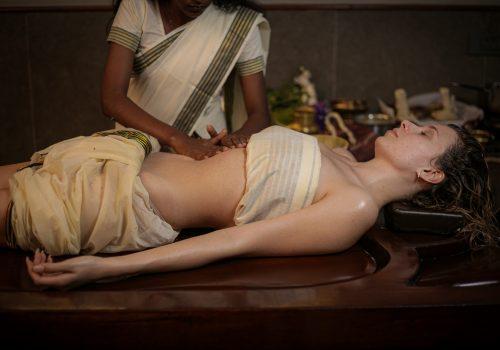
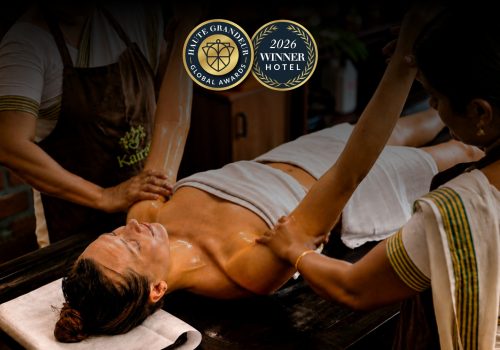
- Abhyangam (warm oil massage): Slow, rhythmic strokes with grounding oils to settle Vata, release muscular guarding, and prepare for sleep.
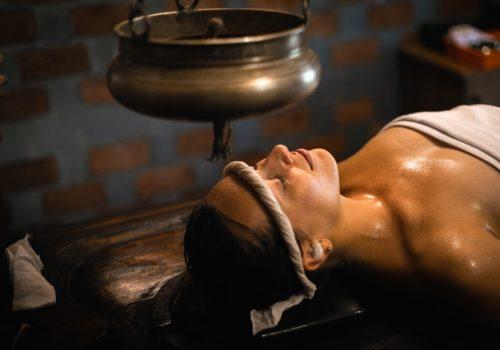
- Shirodhara (warm oil stream to forehead): When indicated, supports deep relaxation and quieting of racing thoughts.
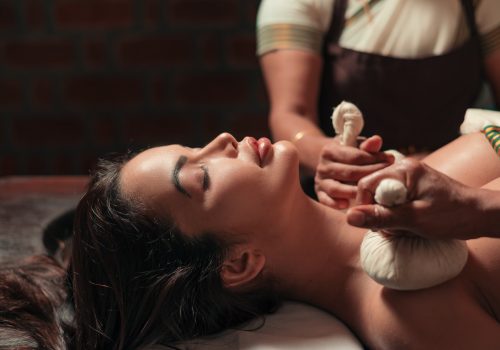
- Kizhi (herbal bolus compress): Warmth and gentle pressure to soften stiffness held during prolonged sorrow.
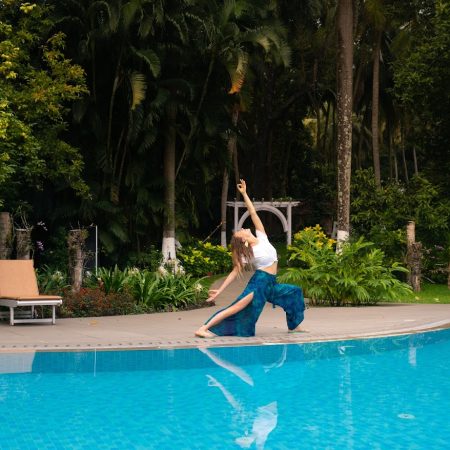
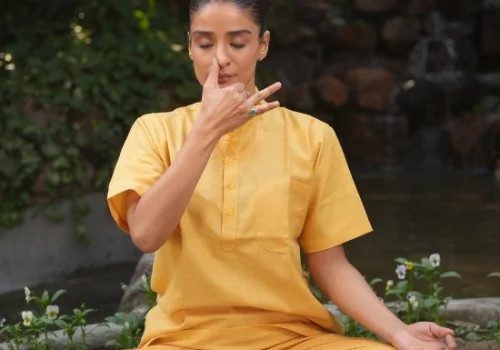
- Yoga for grief: Restorative postures, supported folds, mild chest openers; breath ratios emphasizing longer exhale; guided Yoga Nidra.
- Meditation & prayer space: Silent room and garden nooks for any tradition or none; inclusively designed rituals of remembrance.
- Nature therapy: Slow walks, mindful sunrise/sunset, mindful gardening or tree planting (optional).
- Food that receives you: Warm, light, digestible meals; digestive-friendly spices; early dinners; herbal infusions for comfort.
Real Testimonial
Ananya, 35, arrived three months after a sudden bereavement—exhausted, anxious at night, unable to eat well. We began with Stability & Sleep (7 days): nightly Abhyangam, very gentle breath practice, early dinners, and a short counseling session focusing on sleep anxiety. On Day 4 she asked to add Shirodhara; on Day 6 she attended a small-group circle. She left with a 20-minute evening ritual, two breathing techniques, and a plan for monthly tele-check-ins with a counselor. Every journey is unique; we follow your pace.
Trauma-Sensitive Principles We Follow
- Consent at every step (including touch, oils, temperature, and room setup).
- Opt-out culture: You can pause, replace, or skip any activity.
- Predictability: Clear schedules, quiet spaces, and no surprise changes.
- Boundaries honored: No forced positivity, no “moving on” language.
- Crisis-aware: If you signal risk (e.g., self-harm thoughts), we pause non-essential therapies and coordinate appropriate support.
Is a Kerala Ayurveda Destination Right for Your Grief?
Choose this path if you want:
- A Holistic wellness retreat that respects your pace and offers skilled counseling integration.
- Nature, quiet, predictability, and gentle daily structure.
- Skills you can take home: breathwork, sleep routine, food plan, and ritual.
Consider a different setting or speak with us first if:
- You need urgent psychiatric care, active addiction treatment, or medical supervision beyond a wellness setting.
- You prefer high-intensity fitness or detox right now. In grief, we go slow by design.
Why Kairali Is Among the Best Wellness Retreats for Bereavement
- Doctor-led personalization: Every plan begins with medical and emotional intake; pacing is adjusted daily.
- Counseling integration: On-site or tele-counseling woven into your program without overwhelming your day.
- Environment that heals: Eco-conscious cottages, quiet zones, device curfews, and nature everywhere.
- Skills that stay: You’ll leave with a simple, realistic routine—no gimmicks, no pressure to “perform healing.”
Many guests find that Kerala’s monsoon and post-monsoon seasons feel especially supportive for reflective, inward-focused care—while winter offers crisp, calm mornings for walks and meditation.”
Conclusion
Grief rearranges life in ways that can’t be solved by a weekend away. But steadier sleep, kinder breath, simple meals, and gentle rituals can make each day more livable—one quiet step at a time. If you’re searching for the best wellness retreats for emotional healing, Kairali—The Ayurvedic Healing Village offers a Holistic wellness retreat where counseling-informed care and classical Ayurveda work together, softly and respectfully. This ayurvedic retreat in Kerala won’t push you to “move on.” It will help you move with your grief—safely, at your pace, with practices you can bring home.
Website: www.ktahv.com
Call: +91-9555156156
About the Author
Gita Ramesh is a globally respected figure in the world of Ayurveda, known for her groundbreaking work in Ayurvedic spa therapies, wellness hospitality, and diet-based healing. As the Co-Founder and Joint Managing Director of Kairali Ayurvedic Group, she has played a pivotal role in shaping Kairali’s unique blend of traditional Ayurvedic healing with modern wellness sensibilities.
A passionate advocate of holistic living, Mrs. Ramesh is also the celebrated author of “The Ayurvedic Cookbook”, which reintroduces food as medicine through Ayurvedic nutrition. Her deep knowledge of Panchakarma, therapeutic wellness, and women’s health has inspired global audiences to embrace Ayurveda as a sustainable lifestyle practice.