











Living with an autoimmune condition can make every decision feel high-stakes—especially when you’re considering a change of climate, diet, or daily rhythm. This women-focused guide cuts through the noise to help you choose a Kerala Ayurvedic retreat safely and confidently. We’ll show you what sets the best Ayurvedic retreat in Kerala apart: physician oversight, medication-safe protocols, and gentle therapies that calm the nervous system without triggering flares.
From contraindications you should know before you book to the exact medical coordination steps (labs, meds, consent, follow-ups), we map a clear path to a truly holistic wellness retreat—one that respects your diagnosis, your season of life, and your pace. If you’ve been searching for an ayurvedic retreat kerala that prioritizes safety over hype, you’re in the right place. Let’s explore how a thoughtfully designed Kerala Ayurvedic retreat can help you sleep deeper, move easier, and feel more at home in your body—without compromising your medical care.
Why Many Women with Autoimmune Conditions Consider Ayurveda
Women are disproportionately impacted by autoimmune disorders, and disease activity often fluctuates with stress, sleep, hormones, infections, and climate. Ayurveda’s strengths lie in:
- Personalization (prakriti–vikriti analysis)
- Lifestyle medicine (dinacharya, sleep, nourishment, stress modulation)
- Nervous system regulation (oil therapies, gentle steaming, mindful movement, breathwork)
- Digestive support (agni-focused diet and routines)
When delivered safely, a holistic wellness retreat can help reset rhythms, reduce perceived stress, improve sleep quality, and support long-term self-management alongside your conventional care plan.
Who Is a Good Fit—and Who Should Wait
Generally a good fit (with medical clearance and an individualized plan):
- Stable autoimmune conditions for the past 6–8 weeks with no major medication changes
- Mild–moderate symptoms seeking stress reduction, mobility, skin/gut support
- Women preparing for conception in the future (not actively trying during the retreat)
- Perimenopausal or postmenopausal women seeking inflammation-aware routines
Please postpone or choose a medical facility (not a retreat) if you have:
- Active flare with escalating symptoms, fever, or infection
- Recent biologic initiation or dose change (<6 weeks)
- High-dose steroids (>20 mg prednisolone daily or equivalent)
- Uncontrolled comorbidities (severe anemia, cardiac, renal, or hepatic disease)
- Pregnancy or immediate postpartum (<12 weeks) unless cleared for very gentle therapies only
- History of vasculitis, severe cytopenias, or recent hospitalization
- Open skin lesions/infections (psoriasis with superinfection, cellulitis)
- Severe GI disease activity (e.g., IBD flare with bleeding)
- Unexplained weight loss or very low BMI
Red flag symptoms to seek urgent medical care: chest pain, shortness of breath, high fever, severe headache/visual changes, bloody stools, sudden weakness/numbness, rapidly spreading rash.”
What a “Safe” Ayurvedic Retreat in Kerala Looks Like
Choosing the best Ayurvedic retreat in Kerala for autoimmune needs isn’t about the fanciest spa menu; it’s about clinical safeguards built into the guest journey.
1) Pre-Arrival Medical Coordination
- Intake review (conditions, medications, allergies, prior flares, surgeries)
- Recent labs (last 3–6 months where relevant: CBC, ESR/CRP, thyroid profile, liver/kidney function, vitamin D/B12, HbA1c if diabetic)
- Letter/summary from your physician—especially if on biologics, DMARDs, steroids, or anticoagulants
- Medication continuity plan (no abrupt changes on arrival)
- Vaccination/infection risk screening (TB/hepatitis history for biologics users)
2) On-Site Safety Protocols
- Daily vitals in week 1; symptom checklists
- MD-level oversight with clear escalation criteria
- Pharmacy audit to prevent herb–drug interactions
- Infection control (clean rooms, linens, hydrotherapy hygiene)
- Heat exposure limits for those with heat-sensitive conditions (e.g., MS)
- Emergency referral pathway to a nearby hospital
3) Treatment Design for Autoimmune Conditions
- Gentle first: start with low-intensity therapies; escalate only if tolerated
- Avoid aggressive detox (vamana/virechana/raktamokshana) during flares or for patients on high-dose steroids/biologics
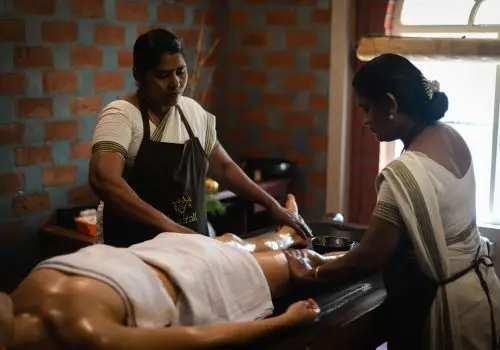
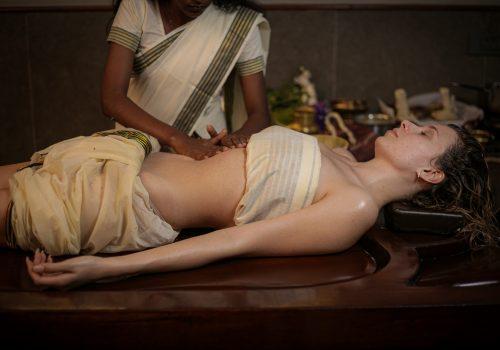
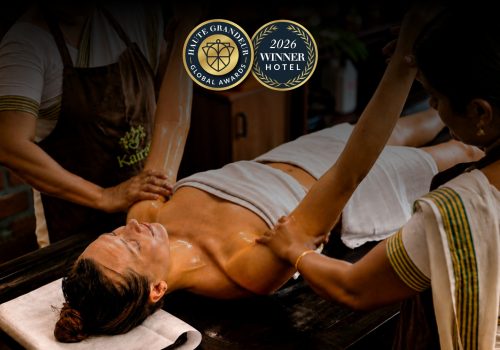
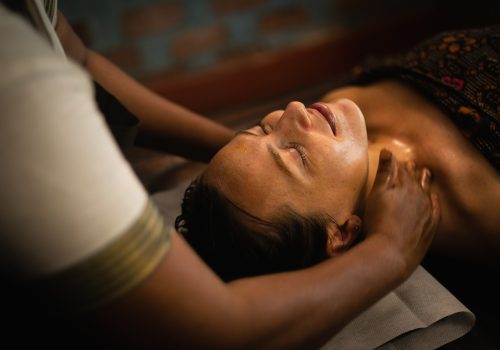
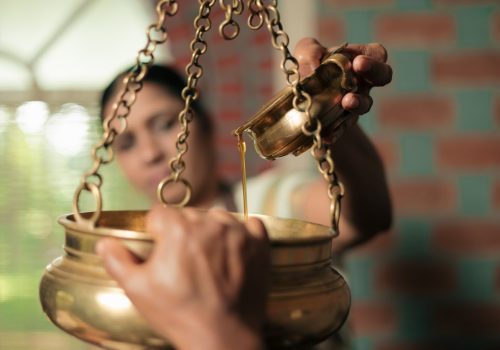
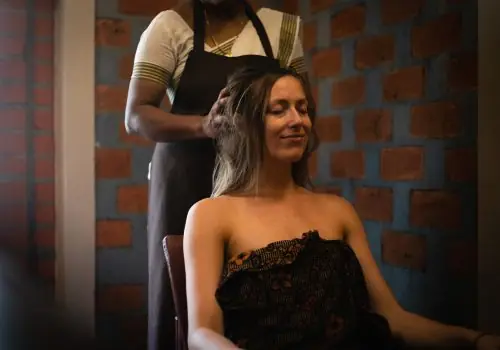
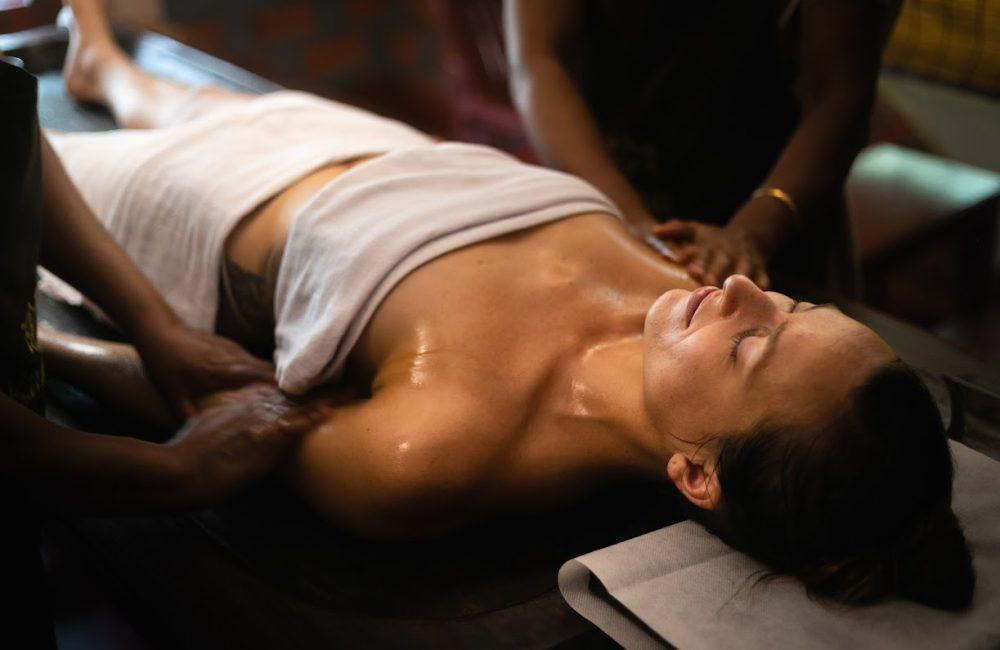
- Prioritize: snehana (oilation), abhyanga (therapeutic oil massage), low-heat swedana (steaming), shirodhara, matra basti (gentle oil enemas) when indicated
- Diet: warm, freshly cooked, spice-modulated, tailored to agni and symptoms; cautious with chilies, sour ferments, and very cold foods; manage fiber for IBD/IBS overlap
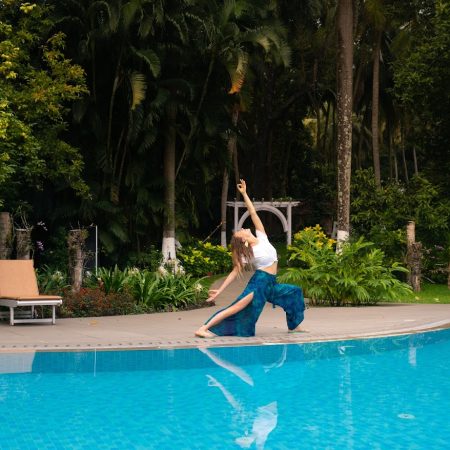
- Mind–body: breathwork (nadi shodhana), yoga nidra, restorative asanas, guided journaling, nature immersion within tolerable sun/heat exposure
- Sleep architecture: consistent lights-out, caffeine timing, gentle evening oiling, nasal oil (as indicated)
4) Measurable Outcomes
- Baseline and exit scores: pain (0–10), fatigue (0–10), sleep quality, stool form (if gut involvement), skin severity (photos with consent)
- Next-90-day plan with relapse-prevention checkpoints and remote follow-ups
Women’s Life Stages: How Protocols Adjust
- Menstruation: focus on rest, light abhyanga, avoid strong heat/pressure; modify basti schedules.
- Fertility planning: gentle therapies only; avoid potent detox within 3 months prior to trying to conceive.
- Pregnancy: retreat spa ≠ medical care. If attending, it must be with obstetric clearance and very gentle routines—no detox.
- Perimenopause/menopause: emphasize sleep, joint care, mood support, bone health (weight-bearing movement, calcium/iron-aware diets).
What Makes a Retreat “The Best Ayurvedic Retreat in Kerala” for Autoimmune Needs?
- Clinical governance: AYUSH-registered doctors, physician sign-off on every plan
- Medication-safe protocols: no abrupt changes; herb–drug interaction checks
- Women’s health lens: menstrual cycle-aware scheduling, lactation/menopause considerations
- Heat & exertion moderation: especially for MS, lupus, or those with heat intolerance
- Infection avoidance: hygiene standards and screening policies
- Data-led outcomes: before–after symptom tracking, and follow-ups
- Continuity: coordination with your home doctor and remote support after you leave
Why Kerala? Culture, Climate, and Continuity
Kerala’s long Ayurvedic tradition, experienced physicians, and healing food culture make it a natural choice for a Kerala Ayurvedic retreat. The right center pairs that heritage with 2026-level clinical safety—the real hallmark of the best Ayurvedic retreat in Kerala for autoimmune support.
Final Thoughts
A truly safe autoimmune-friendly holistic wellness retreat in Kerala is quietly clinical behind the scenes: physician oversight, medication continuity, heat/infection controls, and modest, personalized therapies. It’s not about “more detox”—it’s about more precision and more kindness to your system.
If you’re exploring an Ayurvedic retreat in Kerala, we’re here to help you design a week that respects your diagnosis, supports your daily life, and integrates gracefully with your medical care.
Website: www.ktahv.com
Call: +91-9555156156
About the Author
Dr. Deepu John is a highly respected Ayurvedic physician serving as the Chief Physician and Head of Department at Kairali – The Ayurvedic Healing Village. With over 12 years of dedicated clinical experience, Dr. Deepu is known for his profound diagnostic acumen, deep-rooted knowledge of Ayurvedic principles, and a compassionate, personalized approach to healing.
Dr. Deepu believes that true healing comes from understanding the root cause of illness and restoring internal balance—not just treating symptoms. His patient consultations are comprehensive, combining classical Ayurvedic diagnostics (Nadi Pariksha, Darshana, Prashna) with modern wellness insights. He emphasizes preventive care, dietary wisdom, and mind-body harmony as cornerstones of lifelong wellness.