





























When cold and flu season hits, the smartest “home pharmacy” is often your kitchen. Ayurveda has long prized a simple trio—ginger, tulsi, and black pepper—to warm digestion, clear heaviness, and support seasonal resilience. In this guide, our physicians at Kairali – The Ayurvedic Healing Village, Kerala unpack what’s tradition-backed, what’s sensible from a modern lens, and when you should skip DIY remedies and seek professional care.
Set amid the palms of Palakkad, Kairali is widely regarded as the best Ayurvedic retreat in Kerala—a truly Holistic wellness retreat where every cup, breath, and therapy is tailored to your constitution and the season. If you’re planning a restorative getaway and searching for the best retreat in Kerala, consider this your physician-led starting point. We’ll share gentle recipes, routine tweaks, and clear red flags—so you can use ginger, tulsi, and black pepper wisely and safely, at home or during your stay at Kairali Ayurvedic Health Village, Kerala.
Why This Trio Works in Ayurveda (and When It Doesn’t)
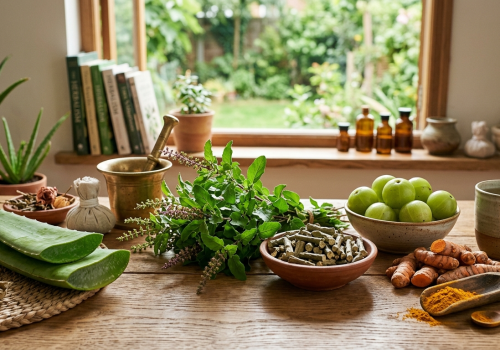
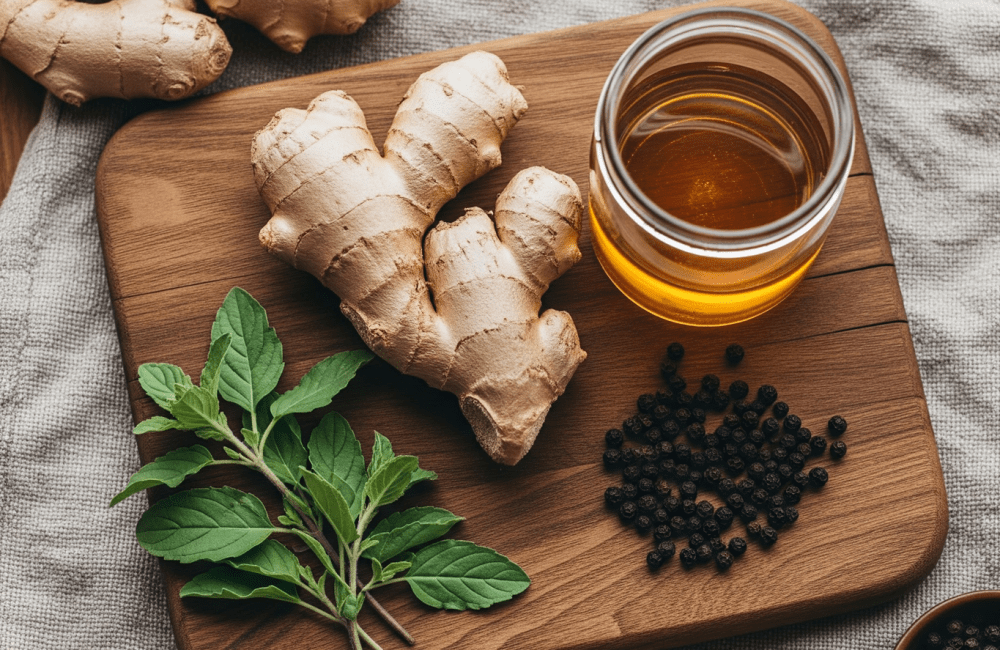
Ayurveda classifies ginger (Śuṇṭhī/Ārdraka) as uṣṇa (warming) and dīpana-pācana—supporting digestive fire. Tulsi (Holy Basil) is considered rasāyana and kaphahara (helps clear heaviness, congestion). Black pepper (Maricha) is heating, light, and known for aiding bioavailability in formulations. Together, they’re often used for early, mild seasonal discomfort—especially when symptoms suggest kapha aggravation (heaviness, congestion, sluggish digestion).
But context matters. If you’re running a high fever, severely dehydrated, or have burning sensations, ulcers, pregnancy, or co-morbidities, this trio may not be appropriate without physician guidance.
What’s Evidence-Informed (Plain-English)
- Ginger: Commonly explored for nausea, throat comfort, and warming effects. Many people report it eases the “chilled, heavy” feeling that comes with the season.
- Tulsi: Traditionally used for respiratory comfort and mental clarity; often prepared as tea with honey and lemon.
- Black Pepper (piperine): Known in research for enhancing absorption of certain nutrients and botanicals; used sparingly in seasonal blends.
We use these insights conservatively at our Holistic wellness retreat—always tailoring to constitution, season, digestion, and current medications.
3 Simple, Safe Kitchen Preparations (Mild Symptoms Only)
Always patch-test spices if you’re sensitive and introduce one change at a time. Avoid for children under 6 without physician advice.
1) Warm Ginger-Tulsi Infusion (Daytime)
- Fresh ginger (4–5 thin slices)
- 6–8 Tulsi leaves (or 1 tsp dried)
- Simmer in 300–400 ml water for 5–7 minutes; strain.
- Optional: A squeeze of lemon when the drink is warm (not hot) and a little honey if not diabetic.
Why: Warming, light, and soothing for throat and chest heaviness.
2) Ginger–Black Pepper Steam (Congestion Support)
- Inhalation only: Add 1–2 slices ginger + a tiny pinch of crushed pepper to steaming water; inhale from a safe distance for 3–5 minutes.
Why: Comforts stuffiness; do not ingest this water.
3) Dinner Digestive (Light Soup)
- Thin mung dal or vegetable broth with a sliver of ginger.
- A very small pinch of pepper just before serving.
Why: Gentle, easy-to-digest meal to reduce night-time heaviness.
Use pepper sparingly—more is not better. If you feel burning, stop and consult a physician.
Diet & Routine: The Part Most People Skip
- Meal timing: Regular, warm, easy-to-digest meals; avoid heavy, cold, or deep-fried dishes at night.
- Sleep: Consistent 7–8 hours; avoid late-night screens.
- Hydration: Warm water or herbal infusions across the day.
- Breathwork: 5–7 minutes of gentle Nadi Shodhana or guided breath with a therapist at Kairali.
- Oil practices (as advised): Gentle nasya (medicated oil in nostrils) and abhyanga (oil application) are supervised at our center when suitable.
When to Seek Professional Care (Do Not Self-Manage)
- Fever > 38.5°C, persistent > 48 hours
- Severe throat pain, chest pain, or shortness of breath
- Dehydration, confusion, persistent vomiting
- Chronic illnesses (asthma, heart disease, diabetes), pregnancy, elderly—consult first
- Children: get physician guidance before using spices/steam
At Kairali Ayurvedic Healing Village Kerala, physicians evaluate constitution, season, and current medications before recommending any remedy or therapy.
How Kairali Integrates Home Care with Clinical Guidance
At the best Ayurvedic retreat in Kerala, we combine traditional wisdom with modern safety standards:
- Physician-Led Intake: Constitution assessment, seasonal plan, and medication review.
- Personalised Therapies: Steam, sweat therapies, and nasal care when indicated—timed to Kerala’s climate.
- Nutrition Studio: Kitchen demos on ginger–tulsi blends and light soups adapted to your profile.
- Outcomes Tracking: Daily symptom logs and rest-quality tracking during your stay.
- Aftercare: Tele-follow-ups and a 14-day transition plan.
Looking for the best retreat in Kerala for seasonal immunity and stress relief? Our programs are curated by senior physicians and supported by therapists trained in safe, ergonomic techniques. Book your consultation or reserve dates at the Kairali – The Ayurvedic Health Village Kerala—a truly Holistic wellness retreat experience.
Website: www.ktahv.com
Call: +91-9555156156
FAQ
Ayurveda considers ginger, tulsi, and black pepper warming herbs that may help support digestion, respiratory health, circulation, and natural immune balance during colder months. These ingredients are traditionally used to help the body adapt to seasonal changes and maintain internal warmth.
According to Ayurvedic principles:
Ginger may help stimulate digestion (Agni) and circulation
Tulsi is traditionally valued for respiratory and stress-supportive properties
Black pepper may help improve absorption and metabolism
Together, they are commonly used in herbal teas and wellness remedies to support seasonal immunity and overall balance.
Traditional Ayurvedic practices often use ginger, tulsi, and black pepper in home remedies for seasonal discomforts such as cough, congestion, throat irritation, and cold-weather sluggishness. However, these remedies are supportive wellness practices and not substitutes for medical treatment when symptoms are severe or persistent.
Moderate use is generally common in traditional diets and herbal preparations, but individual tolerance may vary. Excessive intake may not suit everyone, especially individuals with acidity, heat sensitivity, certain medical conditions, or medication interactions. Personalized guidance is recommended for regular therapeutic use.
Ayurveda commonly suggests consuming these herbs through:
Herbal teas
Warm infusions
Kadha preparations
Soups or light meals
These preparations are typically consumed warm to support digestion, comfort, and seasonal balance during winter.