























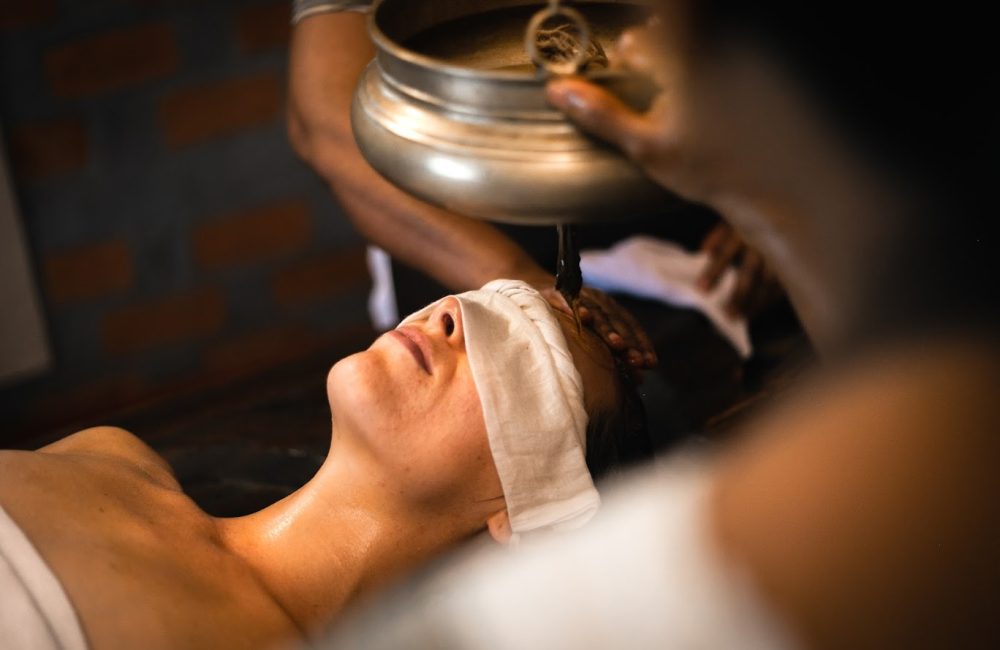

Skin conditions are rarely experienced as “just a skin problem.” Persistent itching, dryness, inflammation, breakouts or visible changes can affect sleep, confidence and everyday comfort.
Ayurveda approaches skin health from a broader perspective. Rather than looking only at the visible symptom, an Ayurvedic practitioner may also consider digestion, diet, sleep, stress, bowel habits, environmental exposure and an individual’s constitutional pattern.
This does not mean that every skin condition has a simple internal cause, or that Ayurveda should replace dermatological care. It means that Ayurveda for skin diseases is traditionally built around a wider assessment of the person, not only the affected area of skin.
How Ayurveda Understands Skin Problems
In Ayurveda, skin health is understood in relation to the balance of the three doṣas (functional principles): Vāta, Pitta and Kapha.
Different patterns are traditionally associated with different qualities.
A Pitta-dominant presentation, for example, may be associated with heat, redness or irritation. Vāta-related patterns may involve dryness, roughness or cracking. Kapha-dominant patterns may present with heaviness, oiliness or slower changes.
These are traditional Ayurvedic frameworks, not modern dermatological diagnoses.
A qualified practitioner will usually look at more than the skin itself. Digestion, appetite, sleep, stress, season, diet and daily routine may all form part of the assessment.
That distinction matters. Two people with the same medical diagnosis may receive different Ayurvedic recommendations because their overall patterns are not identical.
Ayurveda for Skin Disorders Is Not One Standard Treatment
One of the most important things to understand about Ayurveda for skin disorders is that there is no single universal protocol.
Treatment may involve several components, depending on the individual and the condition being managed.
Herbal Preparations
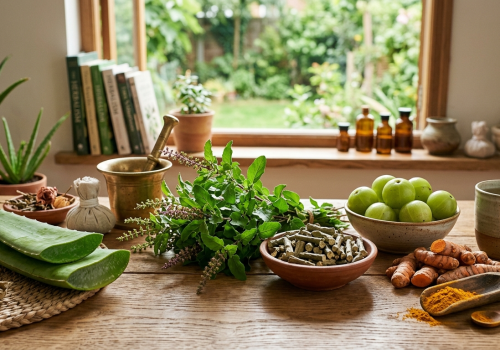
Ayurvedic practice traditionally uses a wide range of herbs and formulations in the management of skin concerns.
Neem, turmeric, aloe vera and sandalwood are among the better-known examples, although their role varies according to the formulation and the individual.
They should not be treated as interchangeable home remedies.
A herb that is appropriate for one person may not be suitable for another, particularly when medications, allergies, pregnancy or other health conditions are involved.
For that reason, Ayurvedic herbal treatment is best approached under qualified supervision rather than through self-prescribing.
The Role of Panchakarma
Panchakarma is often mentioned in discussions of Ayurvedic skin treatment.
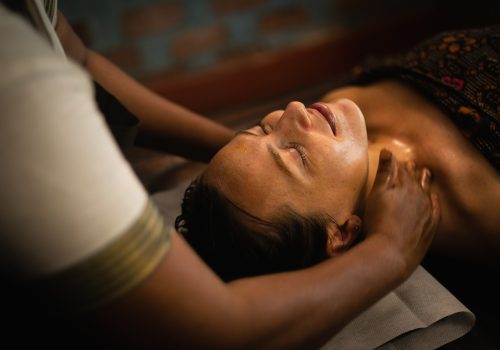
In classical Ayurveda, Panchakarma refers to a group of physician-supervised procedures used selectively according to a person’s constitution, health status and clinical presentation.
These may include preparatory oil therapies, fomentation and specific cleansing procedures such as Virecana (therapeutic purgation) when considered appropriate by the treating physician.
It is important not to reduce Panchakarma to a generic “detox.”
It is a structured clinical approach within Ayurveda, and not every person with a skin concern will need it. Some individuals may be advised to follow dietary, lifestyle or topical measures instead.
Diet and Daily Routine
Diet receives considerable attention in Ayurvedic approaches to skin health.
The aim is not usually to prescribe one “skin diet” for everyone. Instead, recommendations are traditionally adjusted according to digestive capacity, constitution, season and the qualities of the skin complaint.
For example, someone presenting with marked heat or irritation may be advised to reduce foods considered excessively heating within the Ayurvedic framework.
Daily routine may also be reviewed.
Sleep quality, irregular meals, stress, excessive sun exposure and unsuitable skincare practices can all affect how the skin feels and behaves. Yoga, breathing practices and other stress-management approaches may sometimes be included as supportive measures.
These practices should be understood as part of a broader wellness approach rather than as stand-alone treatments for medical skin conditions.
Topical Ayurvedic Care
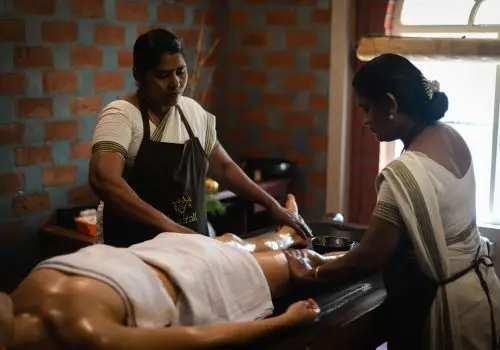
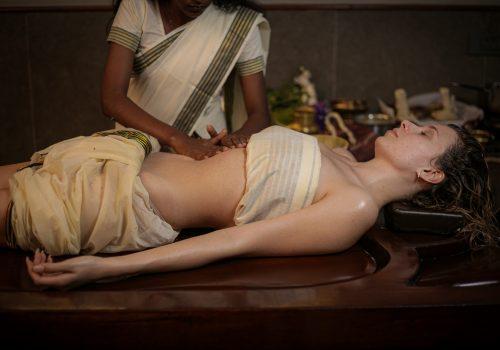
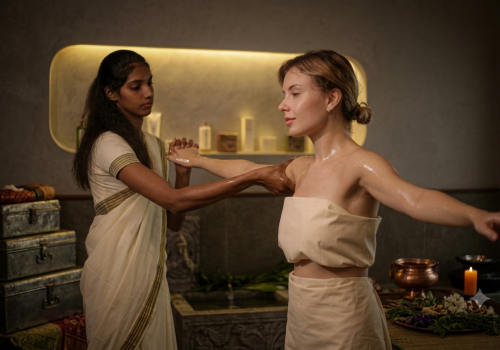
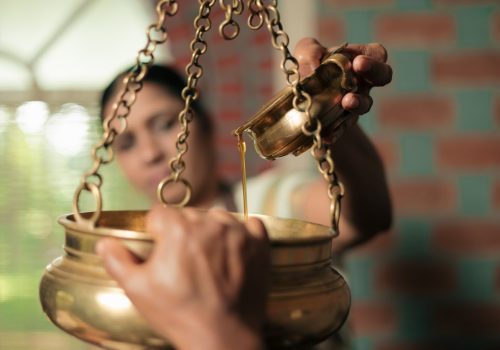
Ayurveda also uses oils, pastes and other external preparations.
Traditional oils and herbal applications are selected according to the type of skin presentation and the individual’s constitution.
Kumkumadi oil, for instance, is widely used in Ayurvedic skincare traditions, but that does not mean it is suitable for every form of pigmentation, acne, sensitivity or inflammatory skin disease.
The same principle applies to herbal pastes and medicated oils.
“Natural” does not automatically mean risk-free. Skin can react to botanical ingredients, oils and fragrances, particularly when the skin barrier is already irritated.
Patch testing and professional guidance may therefore be appropriate.
Where Ayurveda and Dermatology Can Work Together
One of the more useful ways to think about Ayurveda for skin problems is not as a choice between Ayurveda and conventional dermatology.
Some skin conditions require medical diagnosis, prescription treatment, laboratory investigation or ongoing specialist care.
Ayurvedic support may sometimes be used alongside that care, particularly when the focus includes diet, routine, stress, digestive health or supervised traditional therapies.
The important question is not whether one system should replace another.
It is whether each approach is being used appropriately.
Persistent rashes, rapidly changing lesions, severe infections, unexplained bleeding, significant pain or sudden changes in the skin should be assessed by a qualified medical professional.
Ayurvedic Care in Kerala
For people who want a more structured Ayurvedic setting, Kerala remains one of the places most closely associated with institutional Ayurvedic practice in India.
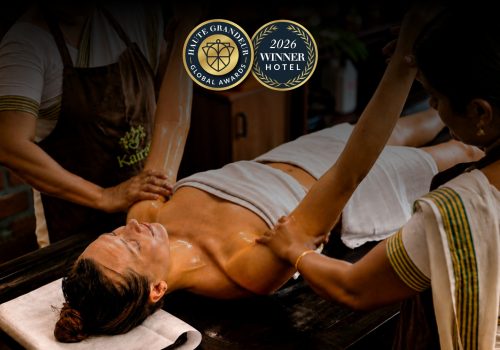
At Kairali, The Ayurvedic Healing Village in Palakkad, Kerala, Ayurvedic care is physician-led and delivered in an NABH-accredited Ayurvedic hospital setting.
For skin concerns, that type of environment allows the physician to assess more than a single symptom. Diet, routine, constitution and appropriate therapies can be considered together rather than approached as isolated interventions.
The value of a residential setting is not that it guarantees a particular outcome. It is that it creates the time and structure for a supervised, individualised approach.
What to Keep in Mind Before Choosing Ayurvedic Skin Treatment
Ayurveda can offer a useful framework for looking at skin health more broadly, but credible care begins with realistic expectations.
Not every skin problem is caused by a dosha imbalance alone. Not every condition requires Panchakarma. Herbal medicines can have side effects or interact with other treatments. And chronic skin diseases often need long-term medical management.
The strongest approach is therefore neither dismissive nor absolute.
Ayurveda contributes a traditional system of assessment that considers the person, daily habits and internal patterns alongside the visible condition. Modern dermatology contributes diagnostic tools, evidence-based medical treatment and specialist monitoring.
For many people, the most sensible path may involve both.
A More Considered Approach to Skin Health
Healthy skin is not created by one herb, one oil or one treatment.
From an Ayurvedic perspective, the skin is considered in the context of digestion, lifestyle, constitution, environment and overall health.
That wider view is one reason people continue to explore Ayurvedic treatment for skin diseases.
But a responsible approach also recognises limits.
Ayurveda is most useful when it is individualised, supervised by a qualified practitioner and integrated thoughtfully with appropriate medical care.
Website: www.ktahv.com
Call: +91-9555156156