




















Modern life often leaves little room for genuine rest. Long working hours, digital distractions and irregular routines can affect sleep, energy levels and overall wellbeing. Many people take vacations to unwind, yet return home feeling just as tired as before.
An Ayurvedic retreat offers a different approach. Rather than providing a short escape from everyday life, it creates an environment where healthy routines, personalised care and time in nature work together to support overall wellbeing.
At Kairali Ayurvedic Group, this philosophy forms the foundation of every residential wellness programme. Each guest begins with an individual consultation, allowing Ayurvedic physicians to recommend therapies and lifestyle practices that suit their health goals and constitution.
What Is an Ayurvedic Retreat?
An Ayurvedic retreat is a residential wellness programme based on the principles of Ayurveda, India’s traditional system of health. Unlike a conventional holiday or spa break, an Ayurvedic retreat focuses on restoring balance through a combination of:
- Physician consultation
- Personalised Ayurvedic therapies
- Freshly prepared meals
- Yoga and breathing practices
- Rest and relaxation
- Lifestyle guidance
The goal is not simply to help guests relax during their stay. It is to help them develop sustainable habits that support long-term wellbeing.
Why Environment Matters in Ayurveda
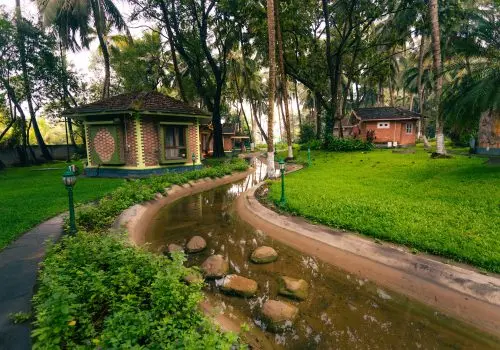
Ayurveda considers the environment an important part of health. A calm setting, regular daily routines and time away from constant distractions can help people focus on rest and self-care.
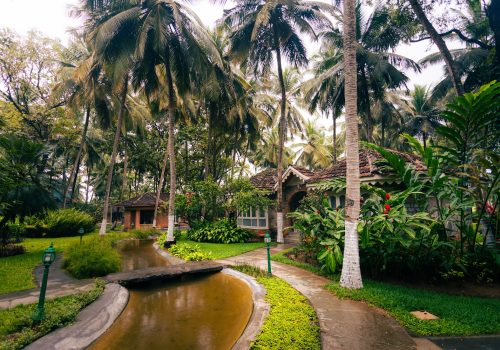
Many residential Ayurvedic centres are located in natural surroundings for this reason. Peaceful landscapes encourage slower daily rhythms and reduce some of the pressures that often accompany urban living.
While spending time in nature may improve mood and reduce perceived stress, it should not be viewed as a treatment for medical conditions. Individual experiences vary, and people with health concerns should seek advice from qualified healthcare professionals.
What Can You Expect During an Ayurvedic Retreat?
Although every programme differs according to individual needs, a typical retreat may include:
- An initial consultation with an Ayurvedic physician
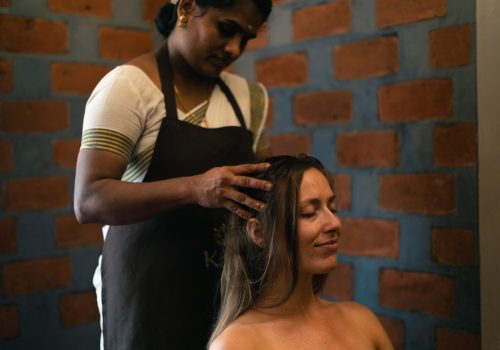
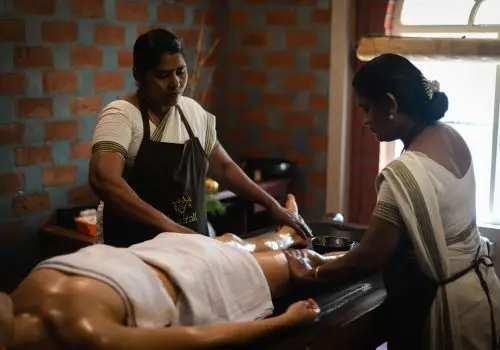
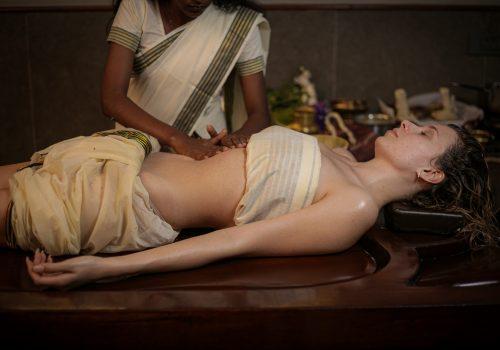
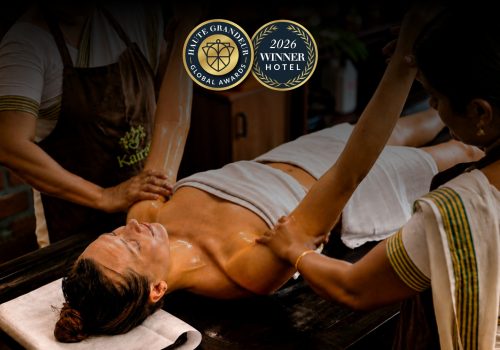
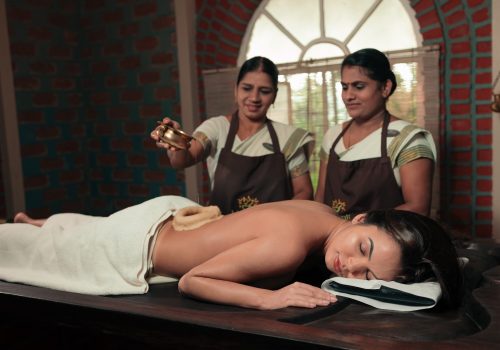
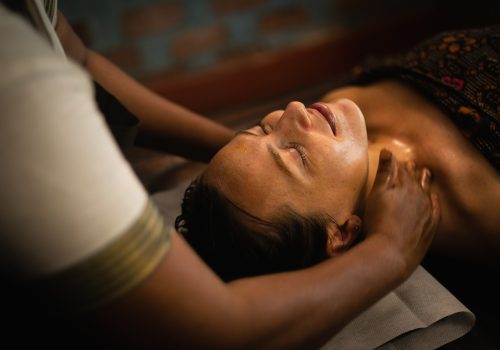
- Daily personalised therapies
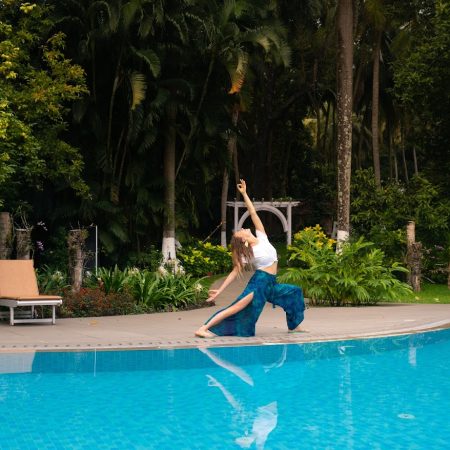
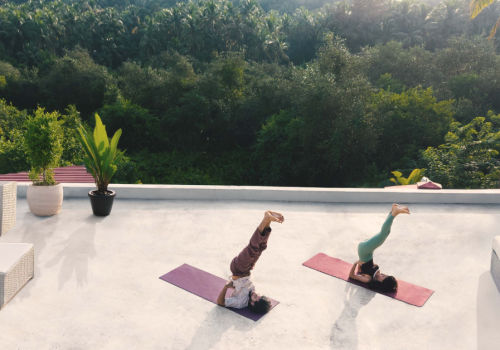
- Yoga and guided breathing exercises
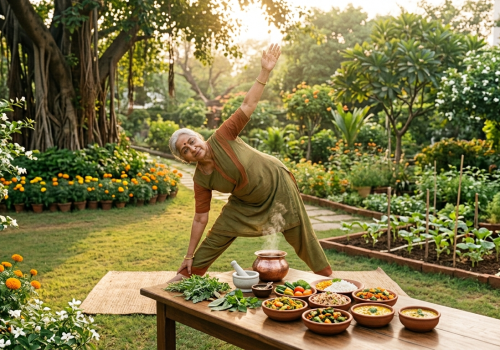
- Fresh vegetarian meals prepared according to Ayurvedic principles
- Time for relaxation and reflection
- Guidance on diet and lifestyle after returning home
Your physician may also recommend changes to your daily routine based on your health history and wellness goals.
The Kairali Approach
Kairali Ayurvedic Group has worked to promote authentic Ayurvedic wellness through residential retreats, Ayurvedic education and wellness services.
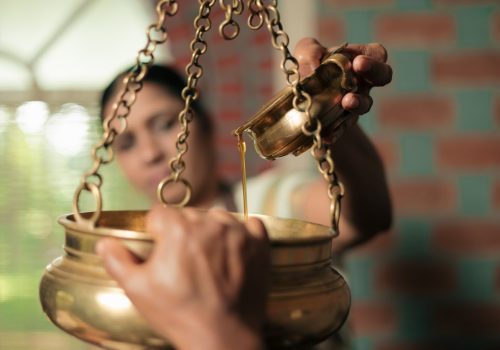
At Kairali – The Ayurvedic Healing Village in Kerala, programmes begin with an assessment by qualified Ayurvedic physicians. Based on this consultation, guests receive an individual wellness plan that may include classical Ayurvedic therapies, dietary guidance, yoga and lifestyle recommendations.
The emphasis remains on personalised care rather than one-size-fits-all wellness programmes.
Ayurveda and Modern Wellness
Interest in Ayurveda continues to grow worldwide as more people explore complementary approaches to health and wellbeing.
Some aspects of Ayurvedic practice—such as regular routines, mindful eating, yoga and stress management—also align with areas being explored in contemporary health research.
However, it is important to maintain realistic expectations.
Scientific evidence supporting Ayurvedic interventions varies depending on the therapy and the condition being studied. Ayurveda should not replace appropriate medical diagnosis or emergency care. Instead, many people choose to use Ayurvedic wellness practices alongside conventional healthcare after consulting qualified practitioners.
Who May Benefit from an Ayurvedic Retreat?
People choose Ayurvedic retreats for different reasons. Some seek time to rest and reconnect with healthier routines, while others want guidance on nutrition, lifestyle and stress management.
An Ayurvedic retreat may appeal to people who want to:
- Improve their daily routine
- Learn more about Ayurvedic living
- Support stress management
- Develop healthier eating habits
- Experience traditional Ayurvedic therapies
- Spend time in a peaceful natural setting
A qualified Ayurvedic physician can help determine whether a particular programme is appropriate for your individual needs.
Choosing the Right Ayurvedic Retreat
When selecting an Ayurvedic retreat, look for programmes that:
- Offer consultations with qualified Ayurvedic physicians
- Explain treatments clearly before they begin
- Avoid unrealistic promises or guaranteed results
- Provide personalised rather than standardised care
- Encourage healthy lifestyle practices beyond the retreat
These factors reflect a responsible approach to Ayurvedic wellness and help guests make informed decisions.
A Journey Towards Healthier Living
An Ayurvedic retreat is not about escaping everyday life forever. It is an opportunity to pause, reflect and build habits that support long-term wellbeing.
Whether you are exploring Ayurveda for the first time or looking to deepen your understanding of traditional wellness practices, a thoughtfully designed retreat can provide valuable insights into nutrition, daily routine, movement and self-care.
The experience does not end when you leave the retreat. The greatest value often comes from applying those healthy habits in everyday life.
An Ayurvedic retreat is a residential wellness programme based on the principles of Ayurveda. It usually includes consultations with Ayurvedic physicians, personalised therapies, yoga, healthy meals and lifestyle guidance. The goal is to support overall wellbeing and help you build healthier daily habits.
The ideal length depends on your health goals and the programme you choose. Some wellness retreats last three to seven days, while more comprehensive Ayurvedic programmes may recommend two weeks or longer. A qualified Ayurvedic physician can help determine the most suitable duration.
Most healthy adults can join an Ayurvedic retreat. However, people with existing medical conditions, those who are pregnant or individuals recovering from surgery should consult their healthcare provider and the retreat’s Ayurvedic physician before booking.
Your stay may include an initial health consultation, personalised Ayurvedic therapies, yoga sessions, meditation, freshly prepared vegetarian meals and guidance on daily routines. The schedule varies according to your individual wellness plan.
No. An Ayurvedic retreat is designed to support overall wellbeing and healthy lifestyle practices. It should not replace medical diagnosis, emergency care or prescribed treatment. If you have a medical condition, always seek advice from your healthcare provider and a qualified Ayurvedic physician.