

















If you’re a solo woman considering Ayurveda in Kerala, food safety is non‑negotiable. At Kairali – The Ayurvedic Healing Village (KAHV), our kitchen protocols, water quality safeguards, and personalised meal plans are designed to support healing without worry. This guide explains exactly how to evaluate food safety at any Kerala Ayurveda retreat—and what we do at Kairali so you can confidently choose the best Ayurveda retreat for solo women seeking a safe solo female yoga retreat in Kerala.
At a glance:
- Kitchen standards: Hazard-control prep flow, sanitisation schedules, hot/cold chain, allergen control, and audit-ready documentation.
- Water safety: Multi-stage filtration, regular quality testing, and safe hydration options (bottled, filtered, herbal waters).
- Dietary accommodations: Vegetarian sattvic menus with custom protocols for vegan, gluten-free, nut-free, low-FODMAP, and other needs.
- Traveler tools: Pre‑travel checklist, on‑arrival inspection list, red‑flag guide.
Why Food Safety Matters More on a Solo Wellness Trip
When you travel solo, there isn’t a companion to monitor symptoms or fetch help if you feel unwell. Combine that with a new climate, new ingredients, and a therapeutic regimen, and the stakes rise. Safe kitchens and verified water quality are the backbone of a solo female wellness retreat in Kerala—because healing depends on trust.
Kitchen Standards: What to Check—and What We Do at Kairali
Below is a transparent, practical view of kitchen protocols you should ask about anywhere, plus the measures we follow at Kairali to align with best practices.
1) Hygienic Kitchen Zoning & Flow
What to look for: Separate areas for receiving, washing, cutting, cooking, and plating; colour‑coded boards; clear inward-outward flow to prevent cross‑contamination. Kairali practice: Physical separation of veg prep, raw handling, and cooked/ready-to-eat zones; colour‑coded utensils; scheduled sanitation between service windows; documented deep-clean cycles.
2) Temperature Control (Hot & Cold Chain)
What to look for: Calibrated thermometers; hot foods held ≥60°C; cold foods ≤5°C; rapid cooling logs for broths and stews. Kairali practice: Daily calibration checks; cook-and-hold logs; time‑stamped reheating records; insulated service for room delivery and outdoor therapy schedules.
3) Ingredient Sourcing & Traceability
What to look for: Fresh seasonal produce, reputable suppliers, date labels, and first‑expiry‑first‑out (FEFO) rotation. Kairali practice: Local, seasonal sourcing where possible; labelled batches; FEFO rotation; purchase and receiving logs to ensure traceability from farm to plate.
4) Allergen & Special Diet Protocols
What to look for: Written allergen list; separate prep/utensils; staff briefings; ability to provide nut‑free, gluten‑free, and vegan meals safely. Kairali practice: Allergen registry at check‑in; separate storage and prep for major allergens; staff drills on cross‑contact; clearly marked guest profile cards for service teams.
5) Cleaning, Sanitation & Pest Control
What to look for: Food‑safe sanitisers, rinse protocols, cleaning schedules, and professional pest management. Kairali practice: Sanitiser dilution logs; surface swab spot‑checks; verified pest‑management schedules; post‑service audits signed by the duty manager.
6) Staff Hygiene & Health
What to look for: Hand‑wash stations, hair covers, daily uniform changes, wellness checks, and training refreshers. Kairali practice: Mandatory hand‑wash checkpoints; hairnets and gloves per task; staff medical screenings per policy; quarterly refreshers on hygiene and allergen awareness.
Traveler tip: Ask to see a sample of any retreat’s kitchen checklists or logs. Transparent teams are happy to show redacted records. “
Water Safety: Your Hydration Plan in Kerala’s Climate
Hydration supports digestion and detox pathways—central to Panchakarma and yoga programs. Safe water is therefore a clinical priority, not a convenience.
Kairali’s approach:
- Multi‑stage filtration at source points.
- Regular water quality testing with available reports on request.
- Safe options by default: filtered water stations, herbal waters (jeera/cumin, coriander infusions) brewed fresh, and sealed bottles on demand.
- Room kettles and herbal tea kits for those who prefer boiled water.
Smart hydration habits for solo travelers:
- Prefer filtered, boiled, or sealed water; avoid ice unless confirmed made from filtered water.
- Wash hands before meals; carry a small sanitiser.
- Choose cooked foods over raw salads if you’re sensitive to water changes.
- Pack a simple ORS (oral rehydration solution) for hot days and long therapies.
Dietary Accommodations: Healing Food That Fits You
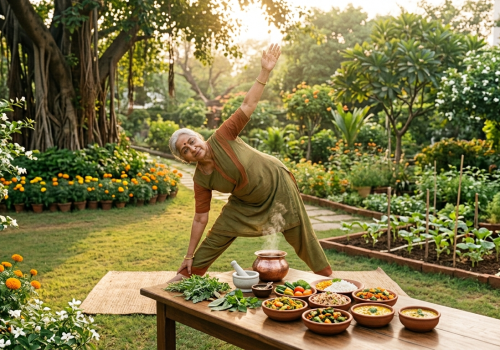
Ayurvedic cuisine is naturally plant‑forward, seasonal, and sattvic—ideal for therapeutic stays. Still, every body is unique.
We routinely accommodate:
- Vegan and dairy‑free (clarified labeling for ghee vs. dairy butter).
- Gluten‑free / celiac‑safe options (millets, red rice, rice‑based rotis); separate prep where cross‑contact could occur.
- Nut‑free plans with dedicated utensils and storage.
- Low‑FODMAP or gentle-digest options where medically advised.
- Low‑spice, low‑oil alternatives for sensitive digestion.
- Religious/ethical preferences (Jain-friendly, no allium on request).
Personalisation workflow:
- Intake with physician: dosha assessment, lifestyle, sensitivities, medical history.
- Menu mapping: meal plan aligned to your program (detox, rejuvenation, post‑natal, stress relief).
- Service flags: your profile card informs kitchen and service about allergens and preferences.
- Feedback loop: daily check‑ins to adjust portion, spice, and texture.
If you’re travelling alone with allergies: Email your list ahead of time, carry emergency meds as advised by your doctor, and request a kitchen walk‑through on arrival.”
Ayurvedic + Scientific Integration (How We Keep It Evidence‑Aligned)
- Ayurveda lens: Agni (digestive fire) thrives on warm, lightly spiced, freshly prepared meals. Timing and mindful eating reduce ama (toxins) and support balance.
- Food safety lens: Time–temperature control, cross‑contact prevention, and potable water keep microbial risk low—creating the conditions where Ayurvedic nutrition can work as intended.
- Outcome lens: Guests report better energy, fewer digestive upsets, and smoother therapy response when meals are personalised and safe.
A Solo Woman’s Story: Anita’s 7‑Day Reset
After a stressful quarter, Anita, 32, from Bengaluru, booked a safe solo female yoga retreat in Kerala.
However, with a nut allergy and a sensitive stomach, she felt anxious about eating away from home.
Upon arrival at Kairali, she shared her allergy card during check-in.
Soon after, she met her physician and toured the dining area.
As a result, the kitchen team flagged her profile and adjusted her meals carefully.
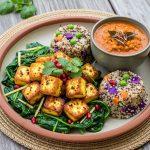
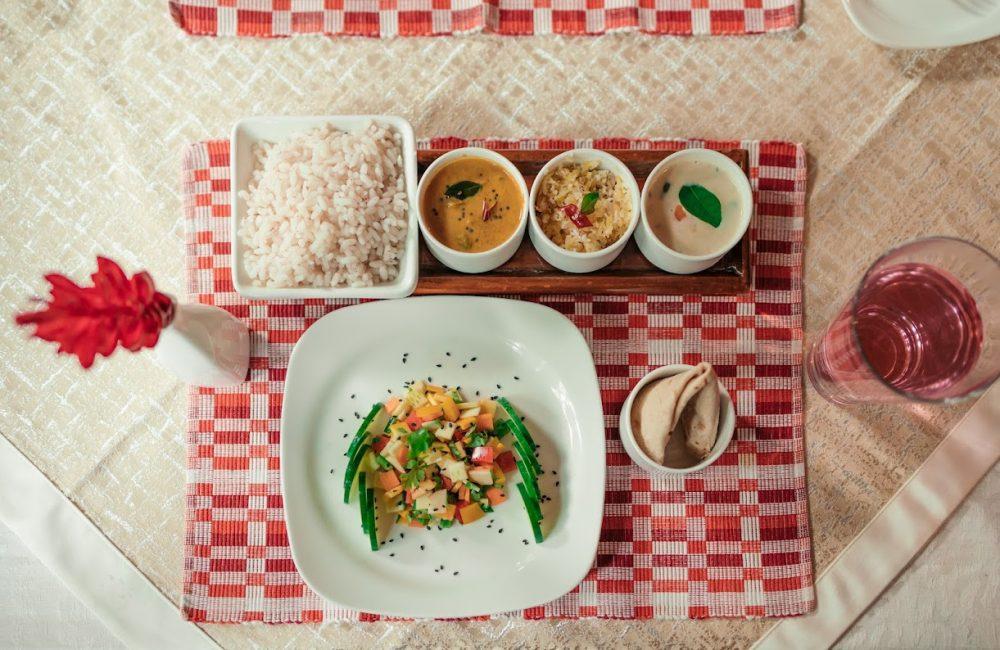
Throughout the week, she received warm rice gruels, lightly spiced vegetables, and nut-free chutneys.
In addition, filtered herbal water was provided during yoga sessions by the river.
By the end of her stay, she felt lighter and more energised.
Most importantly, she did not experience a single episode of discomfort.
Reflecting on her journey, she said, “I realised healing can be serene when you don’t have to keep looking over your shoulder.”
The Fear Index: 7 Red Flags to Watch For Anywhere
- Lukewarm buffet dishes without lids.
- Raw salads washed at a regular tap with unknown water.
- No visible hand‑wash station near kitchen/servery.
- The same utensil used for raw and cooked food.
- Unlabelled leftovers.
- “We don’t do special diets” responses.
- No filtration or unclear water source.
If you see three or more of these, reconsider dining there.
Your Pre‑Travel & On‑Arrival Checklists
Before you book
- Confirm dietary needs can be met (vegan, gluten‑free, nut‑free).
- Ask about water filtration and access to boiled/filtered water.
- Request a sample of kitchen checklists/logs (sanitisation, temperature, pest control).
- Share allergies in writing; carry emergency medications.
On arrival
- Visit the dining area during a service window; look for zoning, labels, and hand‑wash points.
- Ask for the latest water test summary.
- Verify how your allergy/dietary note is flagged to the team.
- Taste-test: start with warm, cooked items on day 1 to let your system settle.
FAQs: Food Safety for Solo Women in Kerala (Short, Practical)
Q: Is tap water safe to drink?
A: Stick to filtered, boiled, or sealed bottled water at retreats and while sightseeing.
Q: Can I eat raw salads?
A: Prefer cooked foods unless you confirm salads are washed with filtered/boiled water.
Q: I’m gluten‑free. Will I have options?
A: Yes—millets, Kerala red rice, rice rotis, and veg curries are naturally gluten‑free; cross‑contact protocols are key.
Q: Is Kairali vegetarian?
A: Our cuisine is predominantly vegetarian and sattvic; please share preferences early for precise planning.
Q: What if I fall sick?
A: Inform your physician immediately. We switch to light diets (kanji, soups), hydration, and monitoring as clinically appropriate.
Why Kairali is a Top Pick for Solo Women
- To begin with, the retreat follows transparent kitchen practices and clearly documented routines.
- In addition, personalised sattvic menus are prepared in alignment with physician guidance.
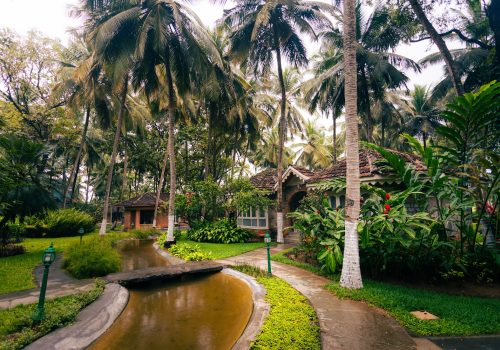
- Moreover, the calm, nature-rich campus creates an environment that supports mindful eating and healthy digestion.
- At the same time, you can enjoy community without pressure—join a shared table or choose quiet solitude, depending on your comfort.
This is why many guests call Kairali the best Ayurveda retreat for solo women.
How to Use This Guide at Any Retreat (Even If You Don’t Book Kairali)
- Request kitchen and water safety details in writing.
- Share your allergen/diet profile before arrival.
- Verify on site: zoning, temperatures, filtration.
- Prefer warm, cooked foods for the first 48 hours.
- Hydrate with filtered/boiled water and herbal infusions.
Final Word
Food should be your ally on retreat, not your anxiety. With transparent kitchen practices, rigorous water safety, and thoughtful dietary accommodations, Kairali – The Ayurvedic Healing Village offers the calm confidence you want from a solo female wellness retreat in Kerala. When you’re ready, we’ll match you to the safest, most nourishing plan for your journey.
Ready to plan your stay? Book your consultation session today at +91-9555156156 or visit www.ktahv.com
About the Author
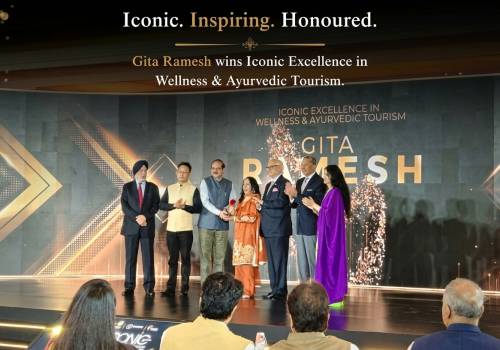
To begin with, Gita Ramesh is a globally respected figure in the field of Ayurveda, widely known for her work in Ayurvedic spa therapies, wellness hospitality, and diet-based healing.
Over the years, she has shaped modern wellness practices by applying traditional Ayurvedic principles in practical ways.
In her leadership role as Co-Founder and Joint Managing Director of Kairali Ayurvedic Group, she has played a central role in blending classical Ayurvedic healing with contemporary wellness approaches.
Through this balanced vision, she continues to guide Kairali’s growth and presence in the global wellness space.
A passionate advocate of holistic living, Mrs. Ramesh is also the celebrated author of “The Ayurvedic Cookbook”, which reintroduces food as medicine through Ayurvedic nutrition. Her deep knowledge of Panchakarma, therapeutic wellness, and women’s health has inspired global audiences to embrace Ayurveda as a sustainable lifestyle practice.