








Planning a wellness getaway but worried about mixing Ayurveda with your current prescriptions? You’re not alone—especially if you’re traveling solo. This guide explains how Ayurveda and Western medicine can work together safely and meaningfully, with clear medication protocols, coordination steps for your home doctor, and what to expect inside a clinically run retreat setting. We’ll walk you through practical timing (so levothyroxine doesn’t clash with herbs), herb–drug interaction awareness, lab checks when needed, and why a nourish-first approach often beats an aggressive detox—particularly for women navigating PCOS, perimenopause, anxiety, or chronic pain.
If Kerala is on your list, you’ll also learn how to choose the best retreat in Kerala for medical integration and women’s safety—what “authentic Ayurvedic treatments” actually look like, why the Palakkad Ayurveda retreat belt is renowned for classical care, and how to find the best Ayurveda retreat for solo women.
1) Why Integration Matters—Especially for Solo Women
- Continuity of care: Avoid medicine overlaps, herb–drug interactions, or abrupt discontinuation when traveling for a retreat.
- Whole-person outcomes: Ayurveda addresses digestion, sleep, stress, pain, and hormonal rhythm—often the “why” behind symptoms.
- Predictable safety: Structured intake, vitals monitoring, and staged therapies minimize risk while maximizing benefit.
- Women-only considerations: Cycle-aware scheduling; privacy-first rooms; female therapists; safety escorts; consent culture.
Where to go: For many, the best retreat in Kerala combines clinical oversight with genuine Ayurveda. If you prefer women-led settings, look for a women-only Ayurveda retreat India option or centers that designate women’s therapy wings and female practitioners on request.
2) What “Authentic Ayurvedic Treatments” Means in 2025
Authenticity isn’t about décor; it’s about clinical process:
- Classical intake (prakriti/vikriti): Pulse, tongue, digestion, sleep, menstrual mapping, stress scoring.
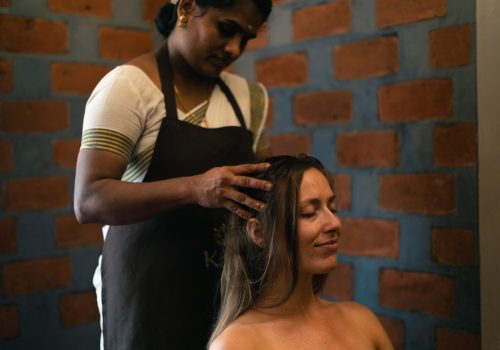
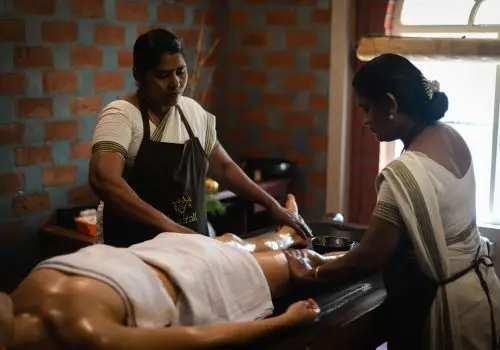
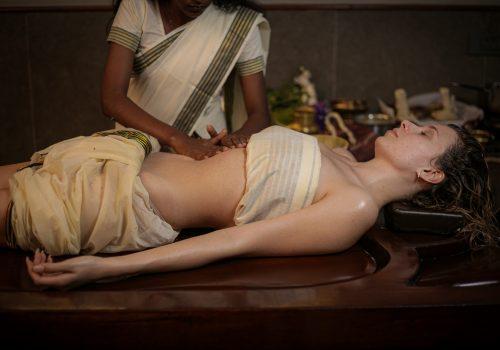
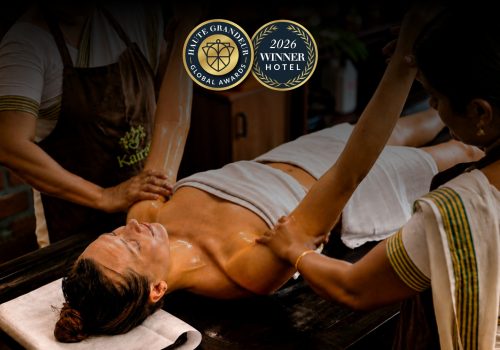
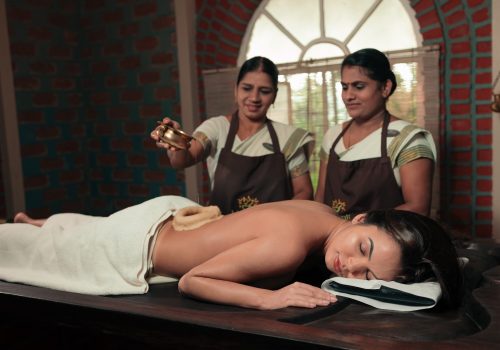
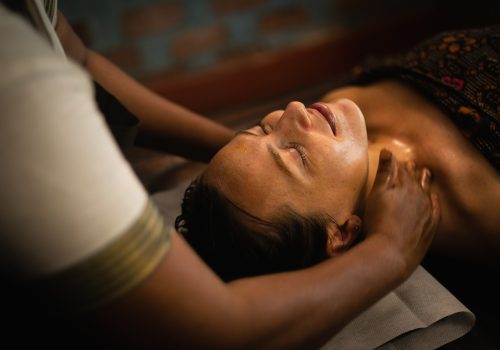
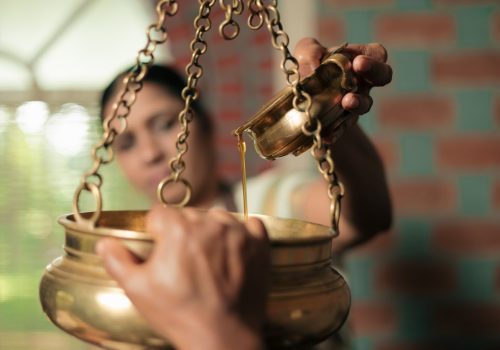
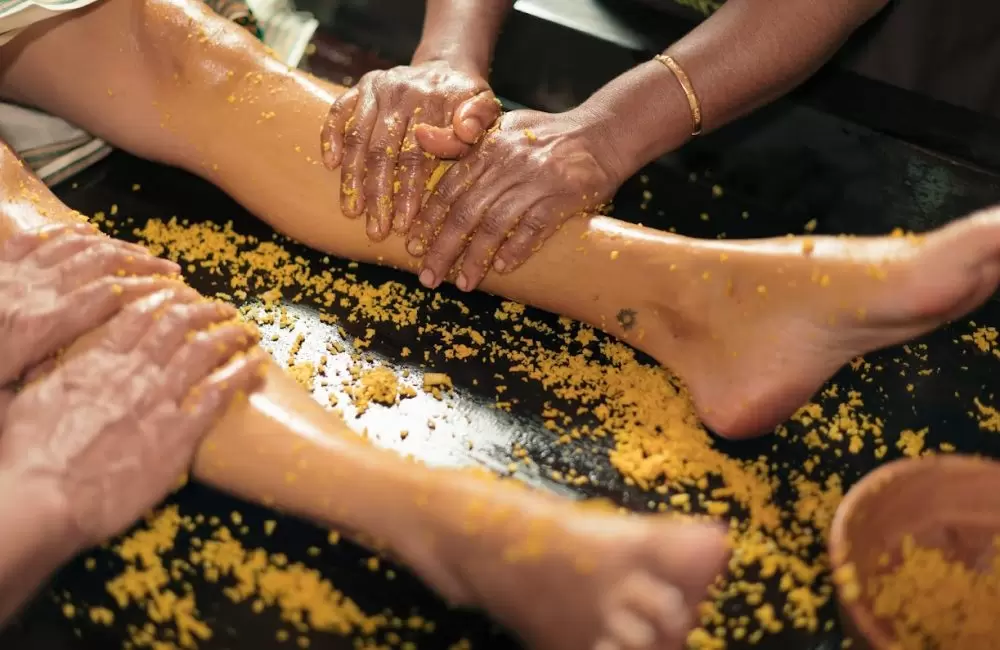
- Evidence-aware planning: Therapies like Abhyanga, Shirodhara, Kizhi, Nasya, Basti chosen for your profile; detox only if indicated.
- Medication reconciliation: Cross-check herbs, oils, ghee-based formulations with your prescriptions.
- Daily review: Vitals, bowel/sleep log, therapy response, and dose adjustments.
- Measured exit-plan: Home routine, tapering schedule if any, and tele-follow-ups.
3) Coordination With Your Home Doctor (Step-by-Step)
Goal: Keep your primary care provider (PCP/GP), OB-GYN, or specialist informed so all therapies remain safe and beneficial.
A) 4–6 Weeks Before Travel
- Inform & invite collaboration: Send the “Retreat Coordination Letter” (template below) with dates, location, and expected therapies.
- Share center credentials: AYUSH registration, physician qualifications, and emergency referral network.
- Baseline data package:
- Latest medication list with doses and timing
- Allergies and prior adverse reactions
- Recent labs (CBC, CMP/LFTs, fasting glucose/HbA1c if diabetic, TSH/T3/T4 if thyroid, lipids if cardiovascular risk)
- Vitals trend (home BP logs if hypertensive)
- Mental health status & current therapy plan if applicable
B) 1–2 Weeks Before Travel
- Virtual case conference (optional): Ayurveda doctor + your PCP for 15 minutes to confirm non-negotiables (e.g., “no abrupt SSRI stoppage”).
- Travel safety: Review vaccinations, travel insurance, and emergency contacts.
C) On Arrival at Retreat
- Medication reconciliation: Double-check everything you brought. Photograph labels. Log time zones for dose timing.
- Consent & clearance: Sign a detox clearance only if clinically indicated; otherwise opt for nourishing protocols first.
- Communication loop: Provide your PCP’s email for week-1 summary update.
D) During Stay
- Progress notes: Daily vitals and symptom diary (included below) to share with your doctor.
- Escalation rules: When to pause therapy (fever, hypotension, excessive fatigue, heavy bleeding) and notify both teams.
E) Post-Retreat
- Discharge summary: Therapies received, herbal formulas, diet, exercise/yoga plan, and any lab recheck dates.
- Follow-up consults: 1–2 online check-ins at 2 and 6 weeks to align with your PCP plan.
4) Medication Protocols: How to Integrate Safely
Golden Rules (Do Not Skip):
- Never stop essential meds abruptly. BP, diabetes, thyroid, anticonvulsants, anticoagulants, and mental-health medications must be continued unless your prescribing doctor plans a supervised taper.
- Share everything: Prescriptions, OTCs, supplements, and period pain remedies. Include exact brands.
- Dose timing & meals: Ayurveda often prescribes herbal formulas before/after meals; avoid collisions with meds requiring empty stomach or specific timing (e.g., levothyroxine).
- Interaction watch: Some herbs can potentiate sedation, affect BP/glucose, or alter liver enzymes. Let clinicians decide.
- Liver & kidney care: If undergoing detox or taking ghee-based formulations, baseline and follow-up LFTs/renal function may be advised.
5) Detox: Is It Right For You?
Detox (Panchakarma) is not a default. For many solo women, a nourish-first plan is safer and more sustainable.
Indications for gentle detox: Chronic heaviness/bloating, coated tongue, sluggish bowels, brain fog, long-term high-stress.
When to avoid/modify: Pregnancy planning, anemia, active infection, uncontrolled BP/sugars, severe fatigue, or if you’re on multiple psychotropics—choose restorative therapies instead.
Women-specific notes:
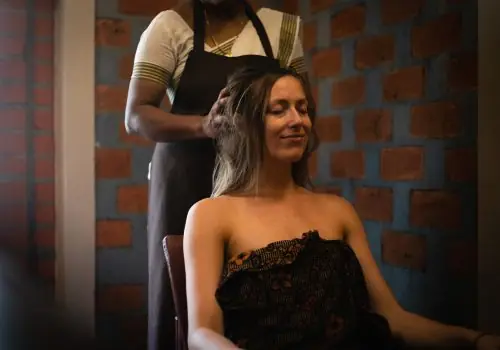
- During days 1–3 of menstruation, heavy therapies are paused; choose head/foot massage, guided breathwork, warm showers.
- PCOS/endometriosis: focus on anti-inflammatory diet, circadian rhythm, abdominal fomentation, and stress modulation.
6) What to Expect at a Palakkad Ayurveda Retreat (Kerala)
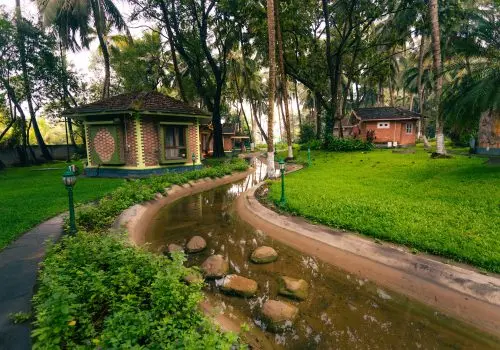
The Palakkad Ayurveda retreat region is renowned for classic Kerala therapies, farm-to-table diets, and a slower pace. A women-first center will offer:
- Female therapists on request; women-only time blocks
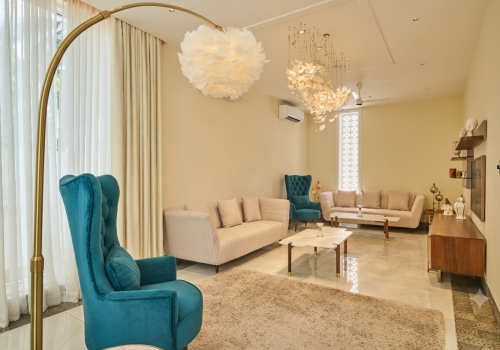
- Private, well-lit rooms, CCTV in common areas, secure transport
- Evidence-aware protocols integrating vitals and labs
- On-call physician and referral linkages to nearby hospitals
- Culinary medicine: fresh Kerala meals tailored to your dosha and labs
Many travelers describe such centers as the best retreat in Kerala due to their consistency and safety culture.
7) Self-Assessment: Is an Ayurveda Retreat Right For You Now?
Answer each with Yes/No:
- My BP/sugars are stable for the past 3 months
- I can maintain essential medications on schedule while traveling
- I’m looking for restorative care rather than an extreme detox
- I’m comfortable in a women-first, privacy-oriented space
- I can share my records with the center and my home doctor
If you answered “No” to 2+ items, consider a tele-consult first.
8) Food & Daily Rhythm: The Integration Superpower
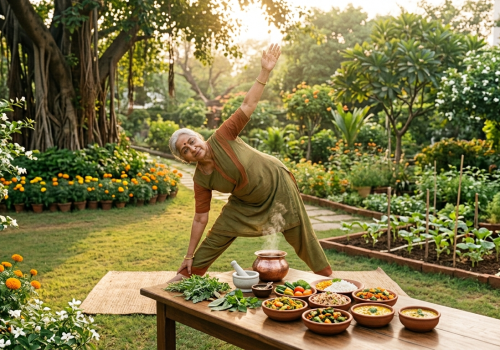
- Meals: Warm, seasonal, lightly spiced Kerala cuisine supports digestion without shocking the system.
- Timing: Early dinners and consistent wake–sleep restore hormonal rhythms.
- Hydration: Sip warm water; avoid iced drinks during therapy blocks.
- Caffeine & alcohol: Reduce both; alcohol is generally avoided during therapeutic stays.
9) Women’s Safety & Privacy Protocols (What to Verify)
- Written consent policy and opt-out at any time
- Female-only therapists/blocks available
- Clear chaperone option; transparent CCTV policy in public areas
- Locked storage; 24/7 front desk; verified drivers for excursions
- Trauma-informed care training for therapists
These elements separate marketing claims from the best Ayurveda retreat for solo women.
10) How We Track Outcomes (Without Losing the Human Story)
- Daily logs: sleep hours, bowel habits, appetite, pain/stress score (0–10)
- Vitals: BP, pulse, weight as needed
- Functional markers: stairs without pain, period comfort, morning energy, “brain fog” scale
- Stories that matter: e.g., “I woke without an alarm today.”
11) Patient Transformation (Composite Case, Name Changed)
Ananya, 34, solo traveler from Singapore
- Concerns: IBS flares, anxiety, painful periods; on SSRI and occasional NSAIDs
- Plan: No detox. Nourishing oils, shirodhara, warm basti, anti-inflammatory meals, breathwork. Meds continued.
- Outcome (4 weeks): Daily pain from 6/10 → 2/10, improved sleep, regular bowels. With her psychiatrist, SSRI dose unchanged but coping skills improved. PCP retained oversight.
Final Word
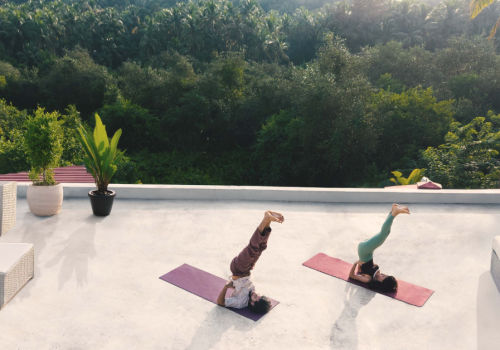
Integration is not a compromise—it’s a standard of care. With clear medication protocols, authentic therapies, and respectful women-first settings, your Kerala retreat can harmonize with your medical plan and your life.
Website: www.ktahv.com
Call: +91-9555156156
About the Author
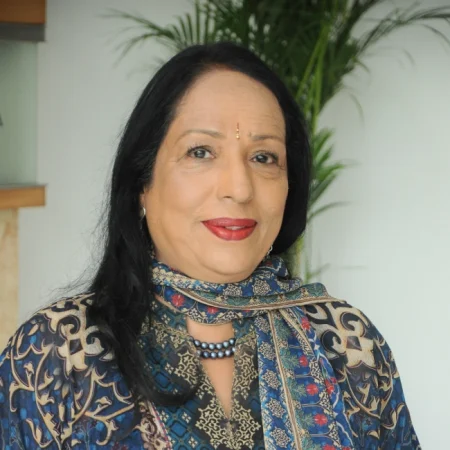
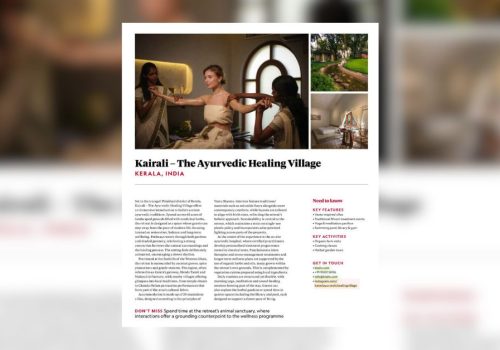
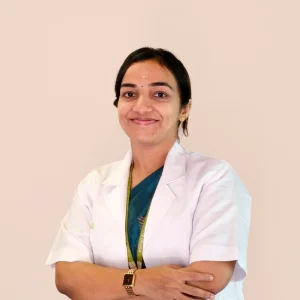
Dr. Ashikha Raj is a dedicated Ayurvedic physician and Resident Medical Officer (RMO) at Kairali – The Ayurvedic Healing Village. With over 8 years of hands-on experience, she brings a unique blend of classical Ayurvedic wisdom and modern therapeutic sensibilities to her clinical practice. She is known for her empathetic patient care, methodical diagnosis, and ability to create deeply personalized wellness journeys rooted in the ancient science of Ayurveda.
Dr. Ashikha believes that healing is not just about eliminating disease—it’s about rebalancing the body, mind, and spirit. She advocates for sustainable health through daily routines (Dinacharya), seasonal cleansing, and mindful living in harmony with one’s Dosha and environment.