












You planned for the retreat. You packed carefully. You prepared mentally. But many women don’t prepare for the moment that comes after—returning home.
When you’ve spent days (or weeks) in a structured Ayurvedic environment—quiet mornings, regular meals, supportive therapies, low stimulation, and a slower pace—daily life can feel unusually intense when you return. The noise, screens, traffic, work pressure, and social expectations can hit harder than expected.
That feeling has a name: reverse culture shock. And yes—women experience it often, especially after an Ayurvedic retreat for solo travelers, where the mind has finally had space to soften.
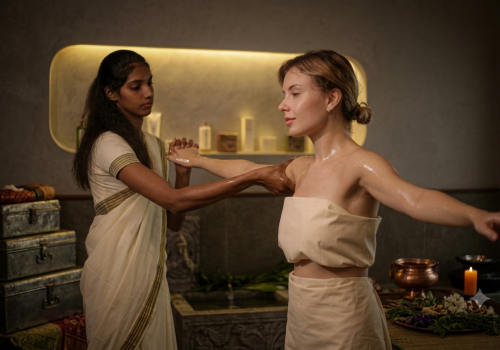
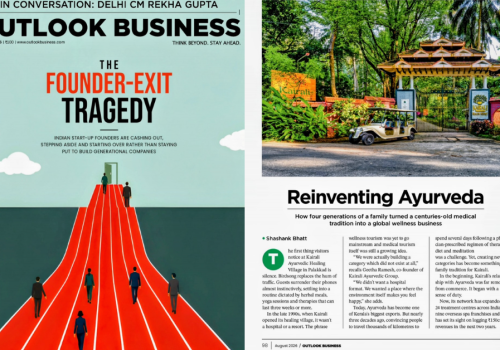
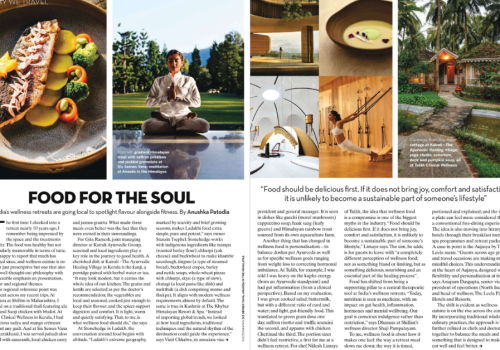
This guide is designed to help you re-enter gently, keep the benefits of Authentic Ayurvedic treatments, and build a realistic routine—whether you stayed at Kairali – The Ayurvedic Healing Village, often considered among the best retreat in Kerala for traditional Ayurveda, or another structured retreat environment.
What is reverse culture shock after Ayurveda?
Reverse culture shock is the emotional and physical discomfort you feel when you return to normal life after being in a calmer, more supportive environment.
In an Ayurvedic retreat setting, your body adapts to:
- consistent meal timings
- warm, digestible foods
- guided sleep rhythms
- reduced digital stimulation
- daily therapies and rest
- a simpler decision-making environment
When you come home, you re-enter:
- rushed schedules
- noisy surroundings
- constant messages and screens
- irregular meals
- social demands
- pressure to “be productive” immediately
That contrast can feel surprisingly destabilizing—even if the retreat was wonderful.
Signs you might be experiencing reverse culture shock
Not everyone feels it the same way, but many women report:
- Sleep changes: light sleep, early waking, or restlessness
- Digestive sensitivity: bloating, acidity, constipation, loss of appetite
- Overstimulation: noise sensitivity, screen fatigue, social exhaustion
- Mood shifts: irritability, sadness, tearfulness, anxiety
- Decision overload: feeling overwhelmed by daily choices
- A need to protect your calm: withdrawing or feeling “don’t disturb me”
If this is happening, it doesn’t mean your retreat “didn’t work.”
It often means your nervous system finally experienced steadiness—and now it’s noticing the difference.
The biggest mistake: trying to live like you’re still at the retreat
Many women return home and try to continue everything perfectly—same wake time, same meals, same level of routine—and then feel like they’ve failed within a few days.
A better approach is 70% continuity:
- keep the few practices that give the biggest stability
- simplify them so they fit real life
- build gradually
Your goal is not to recreate the retreat.
Your goal is to bring home what’s sustainable.
Your “First 72 Hours Home” Re-entry Plan
If you do nothing else, do this. It’s simple and it works.
1) Keep food boring for 3 days
Your digestion may be sensitive after travel, airports, long drives, and sudden lifestyle shifts.
For 72 hours, choose simple staples like:
- khichdi / rice + moong dal
- warm soups
- lightly cooked vegetables
- stewed fruit
- warm water or herbal teas
Try to avoid for 72 hours:
- alcohol
- deep-fried meals
- cold smoothies / iced drinks
- heavy desserts
- “celebration” restaurant food on day one
2) Protect bedtime more than sleep duration
Even if you can’t sleep early, get into bed earlier and reduce stimulation:
- dim lights
- minimal phone scrolling
- warm shower
- quiet breathing for 3 minutes
3) Reduce decisions
Unpack slowly. Don’t plan too much. Keep your calendar lighter than usual for 2–3 days if possible.
4) One grounding practice daily
Pick only one:
- a 10-minute walk after meals
- 5 minutes of breathwork
- warm shower + oil on feet
- a short journal check-in
Consistency matters more than intensity.
Integration, not perfection: the practices worth keeping
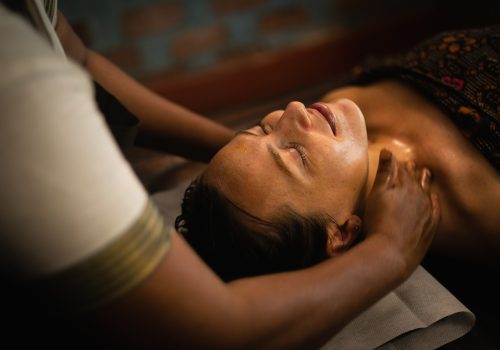
These are high-impact habits that are easy to maintain after Authentic Ayurvedic treatments.
1) A simplified morning routine (10–15 minutes)
Choose a realistic version:
- warm water
- gentle stretching
- 2–5 minutes breathing
- consistent breakfast timing
If your retreat doctor advised practices like nasya or oil pulling, follow only what was personally recommended—and only if it feels sustainable.
2) Meal timing (more important than perfect food)
You don’t need a perfect Ayurvedic kitchen. But timing alone stabilizes digestion and energy.
Aim for:
- breakfast within 1–2 hours of waking
- lunch as your main meal
- dinner early and lighter than lunch
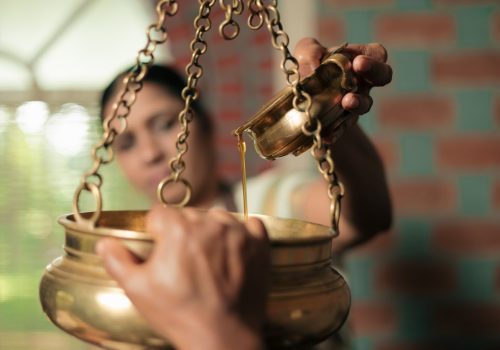
3) Abhyanga “lite” (the version that actually survives real life)
Instead of full-body oil massage daily, do this:
- warm a small amount of oil
- apply to feet + lower legs + hands
- 3–5 minutes is enough
This helps your body stay grounded after returning.
4) Keep a “retreat no-list” for 2 weeks
Retreats reveal what disrupts you most. Keep a short list temporarily, such as:
- no caffeine after 12 pm
- no phone in bed
- no heavy dinner late at night
- no cold drinks in the evening
Don’t make it forever. Make it a bridge.
The emotional side: why you might feel tender after returning
Many women feel emotionally open after a retreat—especially an Ayurvedic retreat for solo travelers.
You may have experienced:
- reduced stress hormones
- less distraction
- more silence
- deeper rest
- gentler daily rhythms
So when you return home, your system may feel “exposed” to old triggers—deadlines, family pressure, overstimulation, social noise.
When you notice emotional waves:
- don’t judge them
- name them (“overstimulated,” “lonely,” “pressured”)
- respond with warmth, routine, food, rest
Community connection: don’t lose the retreat “container” overnight
A big reason reverse culture shock happens is that retreats create a supportive container: routine, guidance, simplicity, and calm.
When you leave, that container disappears.
If you returned from Kairali – The Ayurvedic Healing Village—known for its structured approach and often chosen by women seeking the best retreat in Kerala—you can keep continuity by recreating a lighter container at home:
- save your discharge guidance as a note on your phone
- choose one weekly ritual you repeat (same day/time)
- keep one “Ayurveda buddy” check-in (monthly is enough)
- plan your week around meal timing first, not tasks first
Connection isn’t just social—it’s continuity.
Common mistakes that undo retreat benefits
Mistake 1: heavy celebration food + alcohol immediately
Do instead: celebrate with comfort food + sleep first.
Mistake 2: intense workouts too soon
Do instead: 7–10 days gentle movement, then build.
Mistake 3: trying to fix your entire lifestyle at once
Do instead: keep 3 habits for 2 weeks, then expand.
Mistake 4: comparing home life to retreat life
Do instead: adapt Ayurveda to your reality.
Final thoughts:
Bring the retreat home, one habit at a time. Returning home doesn’t mean your healing ends. It means your healing becomes portable. If your retreat gave you steadier digestion, calmer sleep, lighter mind, or deeper energy—protect it with simple steps:
- 3 core habits
- 2 weeks of gentle re-entry
- 1 boundary that matters
- 1 community connection
That’s how women maintain the benefits of Authentic Ayurvedic treatments long after the retreat—whether they came home from Kairali or any structured Ayurveda journey.
Website: www.ktahv.com
Call: +91-9555156156
About the Author
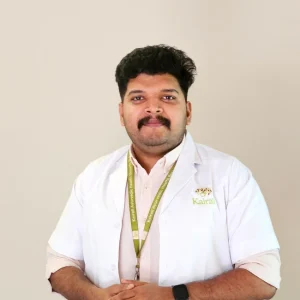
Dr. Rahul R is a dedicated Ayurvedic physician at Kairali – The Ayurvedic Healing Village, bringing over 7 years of clinical experience in holistic diagnosis and personalized healing. Known for his calm demeanor and patient-centered approach, Dr. Rahul excels in decoding the subtle intricacies of the human constitution through the lens of Ayurveda.
Dr. Rahul believes that every body speaks its own language—and that Ayurvedic wisdom offers the most intuitive way to listen. His practice is rooted in balance, sustainability, and self-awareness, empowering guests to take charge of their well-being beyond treatment. He combines classical diagnostic tools like Nadi Pariksha (pulse reading) with modern wellness insights to provide grounded and practical healing recommendations.