




















If you’ve been craving a reset that’s gentle, private, and actually doable, consider this your sign. Kerala—India’s lush, coconut-fringed south—has long been the birthplace of Ayurveda, and Kairali – The Ayurvedic Healing Village is where many first-timers find their footing. This Kerala Ayurveda for Beginners guide speaks to solo female travelers who want clarity without wellness jargon—what Ayurveda is (and isn’t), how a day actually flows, what to pack, and the comfort cues that help you feel safe from check-in to shirodhara.
Expect warm, spiced meals, unhurried therapies, and a plan shaped around you—not a bootcamp. Whether you’re searching for an ayurvedic retreat kerala, shortlisting the kairali resort kerala, or simply dreaming of an Ayurvedic wellness getaway, you’ll find realistic expectations, honest tips, and a simple 7-day starter plan inside. Take a breath—this is where your reset begins.
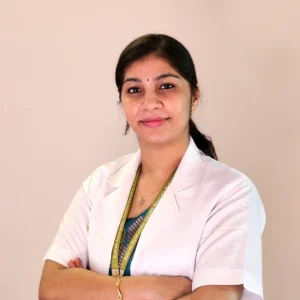
Namaskaram. I’m Dr. Akhila Oomen, an Ayurvedic physician at Kairali – The Ayurvedic Healing Village in Palakkad, Kerala. If you’re visiting Kerala for the first time, or choosing your first Ayurvedic retreat, welcome. Ayurveda is a holistic system—food, daily routine, herbs, therapies, rest—and it adapts to you. This guide is designed to set realistic expectations, answer the questions you might be shy to ask, and help Kerala Ayurveda for Beginners feel confident traveling solo.
Kerala Ayurveda Beginner’s Guide 101
What is Ayurveda?
A classical health system from India that personalizes lifestyle, diet, and therapies to your unique constitution (prakriti). It focuses on prevention, balance, and root-cause thinking, not quick fixes.
Core ideas in one glance:
- Prakriti (your baseline) and vikriti (current imbalance).
- Three doshas—Vata (air/space), Pitta (fire/water), Kapha (earth/water)—as functional tendencies, not labels.
- Dinacharya (daily routine) and ritucharya (seasonal routine) to keep you steady through travel and life changes.
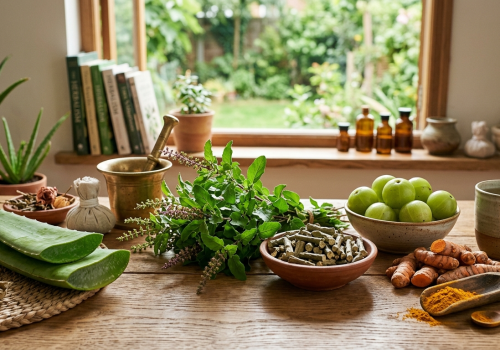
- Therapies like abhyanga (warm oil massage), shirodhara (gentle oil stream on the forehead), kizhi (herbal bolus), nasya (nasal oleation)—prescribed individually.
What Ayurveda is not:
- Not a substitute for emergency or primary medical care.
- Not a one-session magic cure.
- Not a “detox bootcamp.” (If you’re doing Panchakarma, it’s structured, supervised, and tailored—never extreme.)
Why choose Kairali – The Ayurvedic Healing Village for your first retreat?
- Beginner-friendly clinical structure: Physician-led consultations on arrival and throughout your stay, with gentle scheduling for new guests.
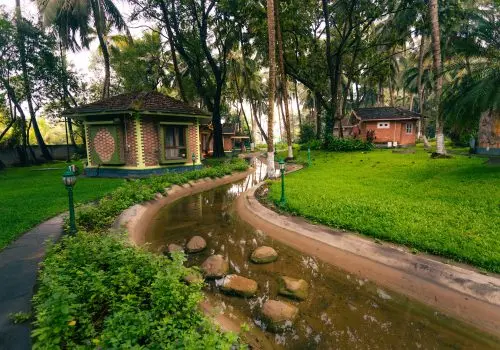
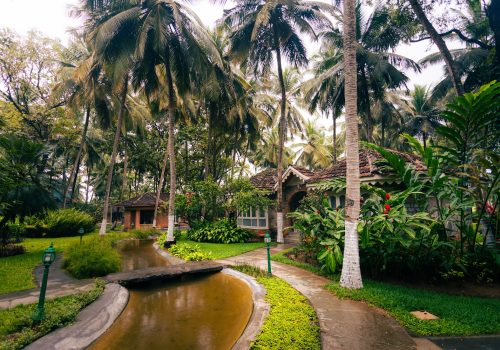
- Nature-first setting in Palakkad: Rustic Kerala architecture, herb gardens, and quiet pathways that encourage a slower pace.
- Women-friendly environment: Private cottages, staff support, thoughtful boundaries, and a culture of respect.
- Consistency & heritage: A legacy brand in Ayurveda with standardized processes and quality controls.
- Community when you want it, privacy when you need it: You can keep to yourself or join yoga/meditation/mealtime chats—your choice.
Realistic expectations (the part most guides skip)
1) How you’ll feel the first 48 hours:
- Jet lag + gentle therapies = sleepier than usual. That’s normal.
- You might notice digestion changes, lighter or heavier appetite as your diet shifts to simple, warm, spiced foods.
2) After 3–5 days:
- Many guests report calmer sleep, clearer skin, improved regularity, and a quieter mind.
- If you’re doing focused therapies, you may feel “processing” phases—emotional or physical—guided by your physician.
3) Not a miracle timeline:
- Chronic conditions require time and continuity. Your physician will give a practical home plan, not grand promises.
- Weight, skin, hormones, mood—expect gentle direction, not overnight transformation.
4) The digital detox reality check:
- Wi-Fi exists, but the schedule, therapies, and nature nudge you to unplug. Plan offline windows—your nervous system will thank you.
Safety & comfort for solo female travelers
- Airport pickup can be arranged from Coimbatore or Kochi at extra charges; share your flight details ahead of time.
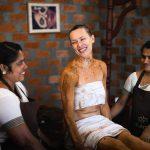
- Rooms & boundaries: Private cottages; staff are trained to maintain professional boundaries; female therapists for female guests.
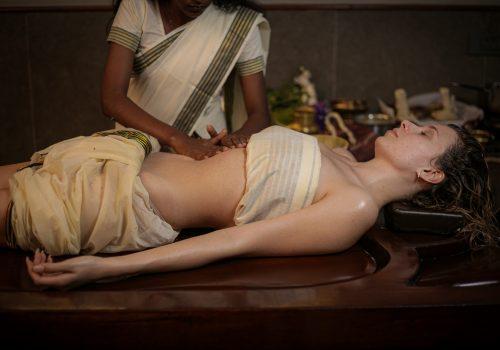
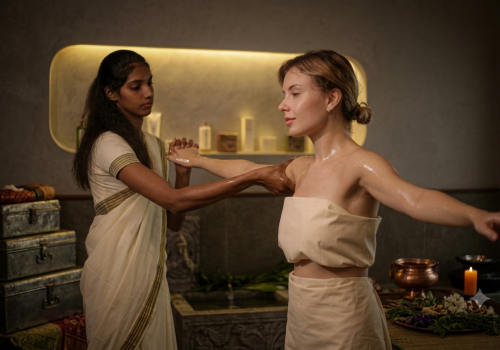
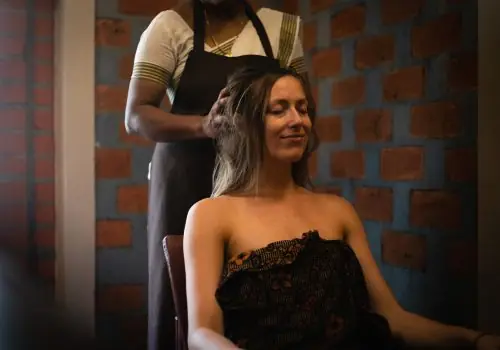
- Session respect: You’ll be draped appropriately during therapies. You may request clarifications anytime.
- Night-time logistics: Pathways are lit; security present. Keep your cottage locked as you would anywhere.
- Cultural basics: Dress modestly around common areas; resort wear is fine—just add a light shawl or tee when moving between zones.
- Health disclosures: Tell the physician about allergies, meds, menstrual status, and pregnancy, even if early.
- Emergency readiness: Keep copies of your ID, insurance, and local emergency numbers on your phone and on paper.
The Kairali flow: What a typical beginner’s stay looks like
Day 1:
- Arrival, herbal welcome, physician intake (30–60 min), vitals, goals, and comfort levels.
- Light dinner, early bed.
Daily rhythm (indicative; customized in practice):
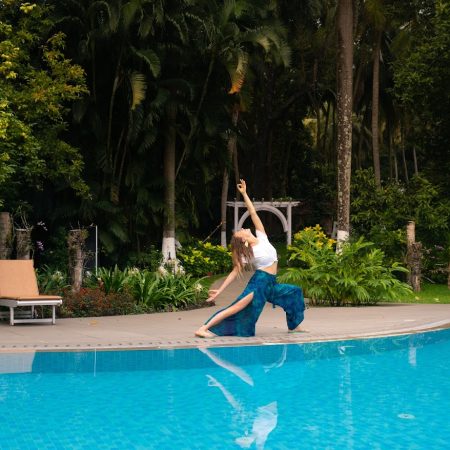
- 06:30 Gentle yoga/pranayama (optional)
- 07:30 Herbal water, breakfast
- 09:00–12:00 First therapy session (e.g., abhyanga + shirodhara), physician check-ins
- 13:00 Satvik lunch
- 16:00 Second therapy or personalized rest routine, guided walk, journaling prompt
- 18:00 Meditation or Ayurveda talk
- 19:30 Dinner; quiet time
Therapies you might meet as a beginner:
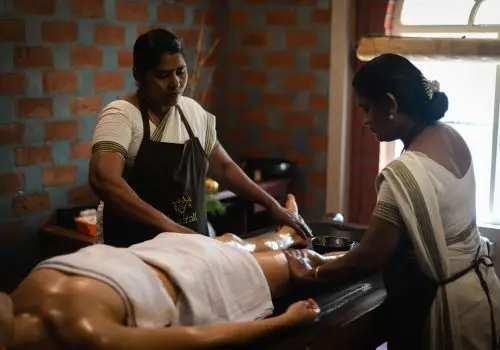
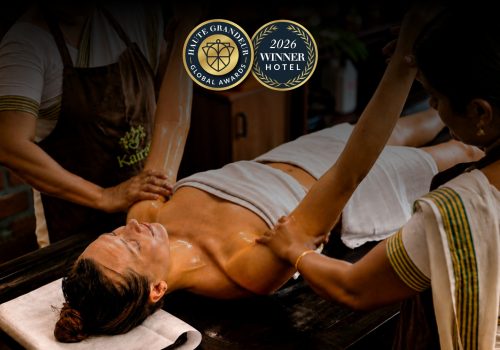
- Abhyanga: Warm medicated oils synchronized by two therapists—deeply grounding for Vata-type restlessness and travel fatigue.
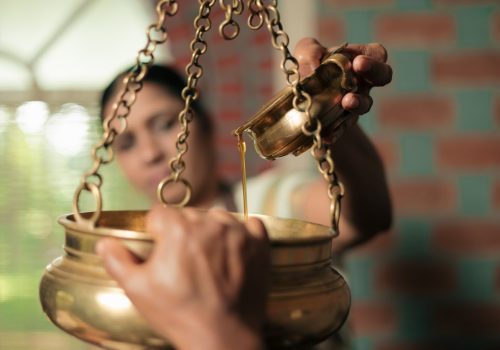
- Shirodhara: Steady warm oil stream on the forehead; many first-timers describe “mind quieting.”
- Kizhi: Warm herbal pouches; soothing on stiff areas after flights.
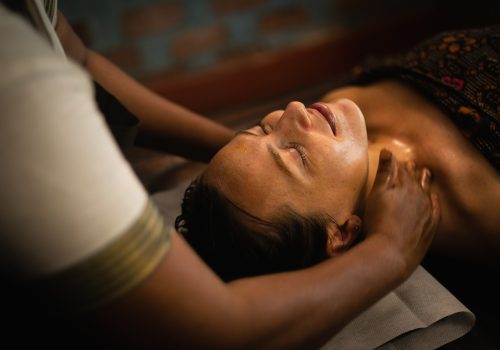
- Mukhalepa: Herbal face application for gentle glow and calm.
Interactive: 3-question “Is this the right time for me?” self-check
- What’s your primary goal?
a) Reset sleep/stress, b) Support digestion/skin, c) Kickstart lifestyle change, d) Explore Ayurveda gently. - How much change can you welcome this month?
a) Just basics, b) Moderate schedule shift, c) I’m ready for a 7–14 day reset. - Are you open to simple, warm meals and reduced caffeine?
a) Absolutely, b) I’ll need my morning tea/coffee, c) I’ll try a balanced middle path.
If you picked mostly a’s/b’s: A 7–10 day starter at Kairali is ideal.
If you picked mostly c’s: Consider a 10–14 day plan with structured follow-up.
Packing list (light, practical, Kerala-proof)
- Clothing: Breathable cottons/linens; 2–3 pairs loose pants, tees, shawl; one light long-sleeve for evening.
- Therapy-friendly: Old T-shirts for oil sessions; flip-flops/slip-ons.
- Personal care: Minimal makeup; gentle cleanser; travel-size shampoo (oils can linger); period supplies.
- Health & admin: Current prescriptions (in original packaging), travel insurance docs, ID copies.
- Sun & monsoon: Hat, refillable bottle, small umbrella or rain jacket (monsoon months).
- Optional comforts: Journal, paperback, sleep mask, earplugs.
- Tech: Phone + e-SIM or local SIM if needed; offline playlists; charger. Plan to use less than you bring.
Food at an ayurvedic retreat in Kerala: What to expect
- Warm, fresh, mildly spiced vegetarian meals—think red rice, lightly spiced dals, seasonal veggies, stews, herbal buttermilk.
- Caffeine & sugar dial-down: You can discuss gradual tapering if you’re not ready to go cold turkey.
- Hydration: Herbal waters (cumin, coriander, fennel infusions).
- Allergies/intolerances: Inform the physician and kitchen team; they will adapt.
How long should I stay?
- Short reset (5–7 days): Gentle intro, focus on sleep and stress, learn your daily routine.
- Deeper immersion (10–14 days): Measurable changes to digestion, energy, and habits; more varied therapies.
- Clinical programs (14+ days): For targeted concerns and structured Panchakarma phases (only when clinically appropriate).
First-timer tip: If you’re coming specifically for Panchakarma, arrive with 1–2 buffer days and no fixed post-retreat commitments. It’s a therapeutic program, not a spa package.”
When to go (seasons & vibes)
- Dec–Feb: Pleasant, cooler mornings/evenings; high demand—book early.
- Mar–May: Warmer; therapies feel deeply relaxing; hydrate well.
- Jun–Sep (Monsoon): Nature at peak; classic Kerala “sneha” (oil) therapies feel extra nourishing; pack rain gear.
- Oct–Nov: Transitional; good for routine building.
Cost, booking, and transparency (without surprises)
- Programs are personalized. Rates vary by duration, room category, and therapy plan; clarify inclusions (consultations, meals, yoga, therapies, airport transfers).
- Request a written plan before confirmation (number of therapy sessions/day, doctor access, diet, and any add-ons).
- Ask about women-only therapist availability and preferred time slots if that helps you feel comfortable.
- Confirm policies: Cancellations, rescheduling, check-in/out, and late arrivals.
Ayurveda + modern science: An integrated view for beginners
- Lifestyle medicine overlap: Sleep hygiene, circadian eating, breath-led relaxation, and gentle movement are shared pillars.
- Personalization is the win: Ayurveda’s dosha lens helps you notice what you respond to—use it pragmatically.
- Track your own changes: Sleep hours, energy notes, digestion comfort, mood steadiness. Small, steady wins beat forceful overhauls.
Final word: Come as you are, start where you are
Kerala will meet you with green quiet, warm oils, and simple food. Kairali will meet you with a plan, not pressure. You bring honesty about your goals, a few comfortable clothes, and the courage to try seven days of slower living. That’s enough for a first step.
Book free doctor consultation now at +91-9555156156 or visit www.ktahv.com for more info.
About the Author
Dr. Akhila Oommen is an experienced Ayurvedic physician at Kairali – The Ayurvedic Healing Village, with over nine years of dedicated practice in holistic health. She blends classical Ayurvedic principles with a compassionate, solution-oriented mindset. She treats complex and chronic conditions with precision and empathy, earning the trust of wellness seekers from around the world.
Dr. Akhila empowers individuals to understand their constitution and imbalances. She grounds every plan in the Ayurvedic principle of Swasthasya Swasthya Rakshanam—preserving the health of the healthy—and gives preventive care the same weight as curative protocols.