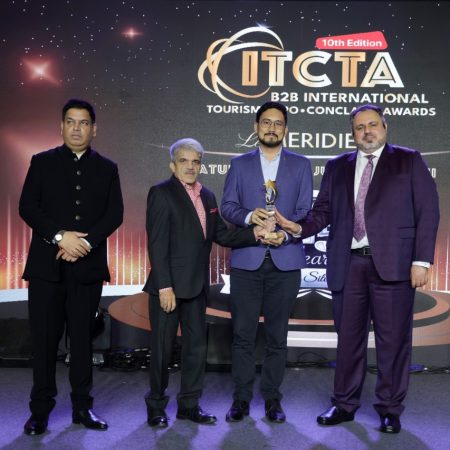

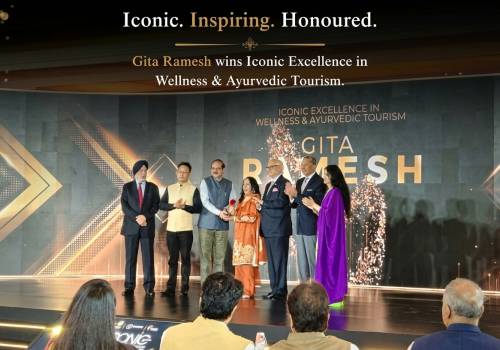

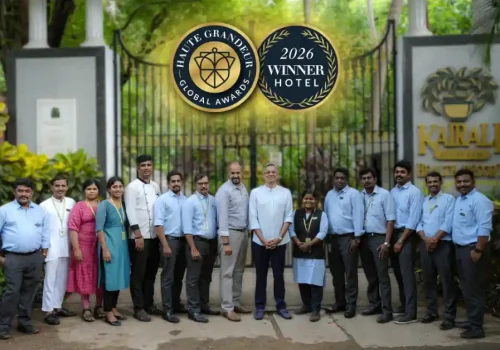










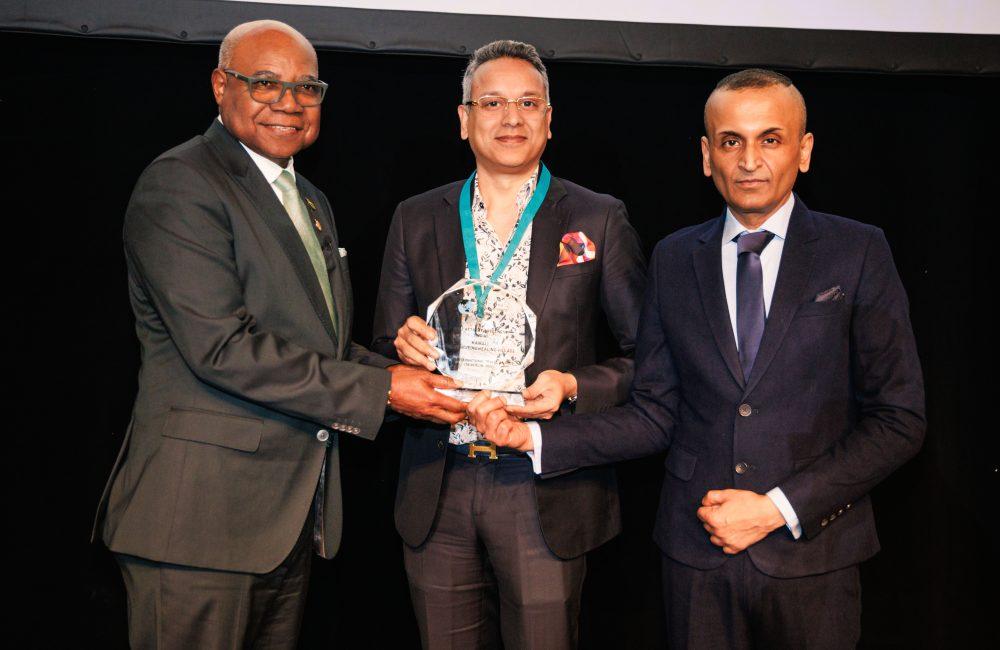
Kairali – The Ayurvedic Healing Village has received the PATWA International Travel Award 2026 in the category “Best Retreat Wellness (India)”.
The award was presented on March 4, 2026, during the 26th PATWA World Tourism Leaders’ Summit and International Travel Awards, held alongside ITB Berlin.
For Kairali, the recognition is significant not simply because it is another award, but because it comes at a time when wellness travel is becoming more crowded and more loosely defined.
Ayurveda now sits within a much wider global wellness market. Retreats may combine spa treatments, yoga, nutrition, mindfulness, fitness and medical services under the same broad label.
That makes the question of what an Ayurvedic retreat actually offers more important.
What the award recognises
The “Best Retreat Wellness (India)” title places Kairali within the international wellness-travel conversation, but it should not be read as a clinical endorsement.
Awards recognise organisations and experiences. They do not prove that a therapy will produce a particular health outcome.
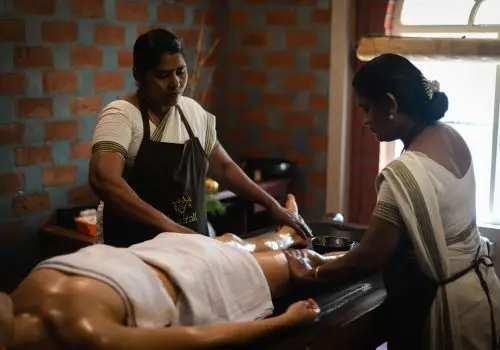
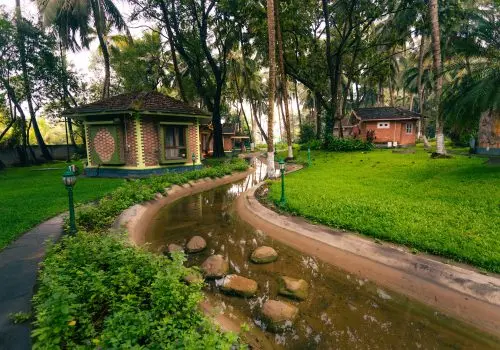
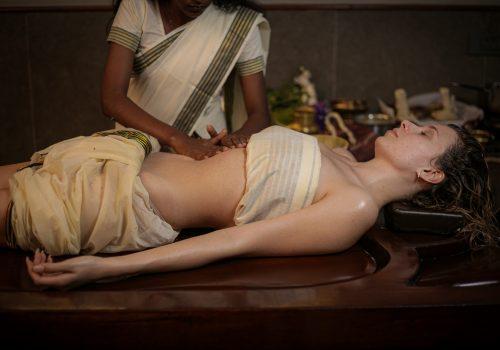
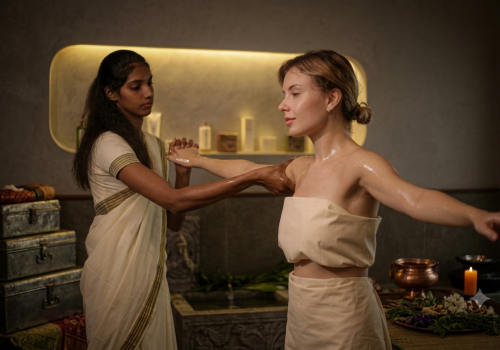
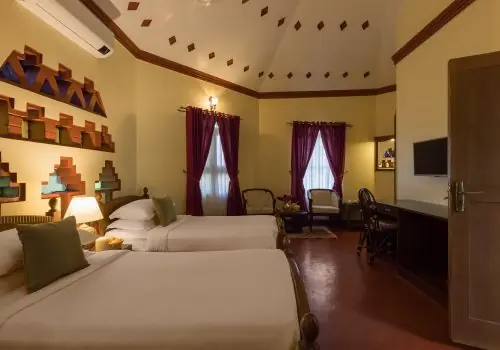
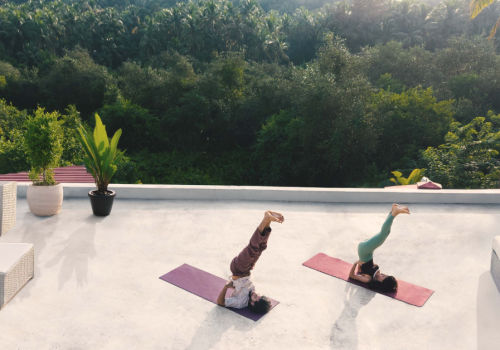
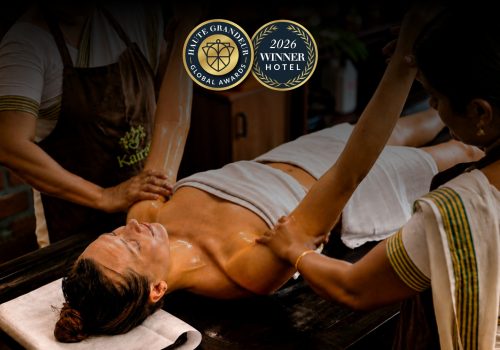
What the recognition does highlight is Kairali’s long-standing residential model in Palakkad, where Ayurvedic care is organised around physician consultation, individualised programmes, therapies, food, yoga and daily routine.
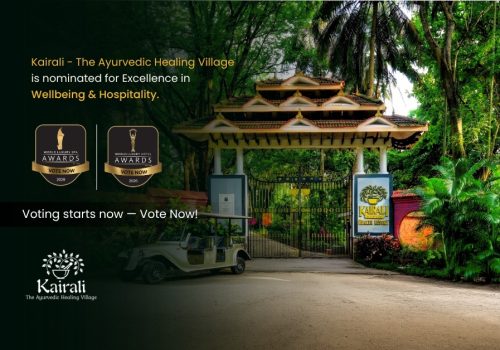
Kairali, The Ayurvedic Healing Village operates as an NABH-accredited Ayurvedic hospital and retreat in Kerala.
That clinical structure is an important distinction.
Guests do not simply choose therapies from a wellness menu. An Ayurvedic physician assesses the individual before recommending what may be appropriate.
Two people staying at the same retreat may therefore follow very different programmes.
Ayurveda within modern wellness travel
The growth of wellness tourism has created greater interest in Ayurveda.
That is broadly positive. More travellers are asking about traditional systems of medicine, preventive health, food, sleep and the role of daily routine.
But popularity also creates a risk of simplification.
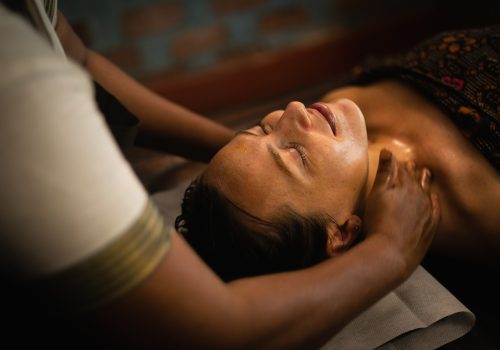
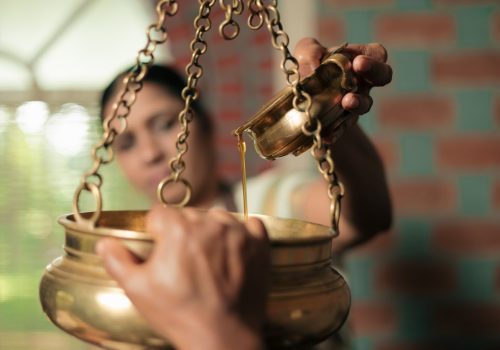
An oil massage alone is not Ayurveda. Neither is a yoga class or a vegetarian meal.
Ayurvedic care is based on assessment and individualisation. Therapies are understood within a wider framework that may consider constitution, present health, digestion, sleep, appetite, lifestyle and other clinical factors.
A residential setting allows these elements to be observed together.
That is where Kairali’s model differs from a short spa experience.
Why structure matters
Much of what happens during an Ayurvedic residential programme can appear surprisingly ordinary.
Meals happen at regular times. Sleep and waking become more structured. Therapies are scheduled. There is time for movement, consultation and rest.
Yet these everyday details form an important part of Ayurveda.
The system has always paid attention to dinacaryā, or daily routine, alongside physician-directed treatments.
For a guest, the value of a longer stay may therefore lie not only in receiving therapies, but also in observing how the body responds when daily habits become more consistent.
That is a quieter idea than promising transformation.
It is also a more credible one.
Recognition without overstatement
Awards can be useful markers when travellers are comparing wellness destinations.
They can signal external recognition, consistency and visibility within the travel industry.
But they should not replace more practical questions.
Who conducts the medical consultation?
Is the programme individualised?
What qualifications do the practitioners hold?
What standards apply to the facility?
What happens if a therapy is not suitable?
These questions matter more than the award itself when choosing an Ayurvedic retreat.
The PATWA recognition adds to Kairali’s international profile, but the stronger story remains the structure behind the property: physician-led Ayurveda delivered in a residential setting.
What this moment means for Kairali
Receiving the PATWA International Travel Award at ITB Berlin places Kairali within a wider discussion about the future of wellness tourism.
For Ayurveda, that visibility brings both opportunity and responsibility.
The opportunity is to introduce more international travellers to a system that looks beyond isolated treatments and pays attention to the wider structure of daily life.
The responsibility is to present that system carefully.
That means avoiding exaggerated promises, keeping consultation central and being clear that no retreat can guarantee a particular health outcome.
For Kairali, the 2026 PATWA award is therefore best understood as recognition of the retreat experience and its place within India’s wellness-tourism landscape.
The work that matters most still happens after the award ceremony: in consultation rooms, treatment spaces, kitchens and daily routines in Palakkad.
Website: www.ktahv.com
Call: +91-9555156156