

















Ayurveda is no longer confined to India.
Across Europe, the Middle East and other international markets, more people are exploring Ayurvedic food, lifestyle practices, therapies and physician-led care. This interest has created new opportunities for Indian Ayurveda organisations. It has also raised an important question: how can Ayurveda enter a new country without being reduced to a spa treatment or a collection of herbal products?
Kairali Ayurvedic Group has approached international growth through treatment centres, Ayurvedic products and residential care.
Founded in 1989 by K.V. Ramesh and Gita Ramesh, the Group draws on four generations of Ayurvedic practice in the founders’ family. It now operates a network of treatment centres in India and select international markets.
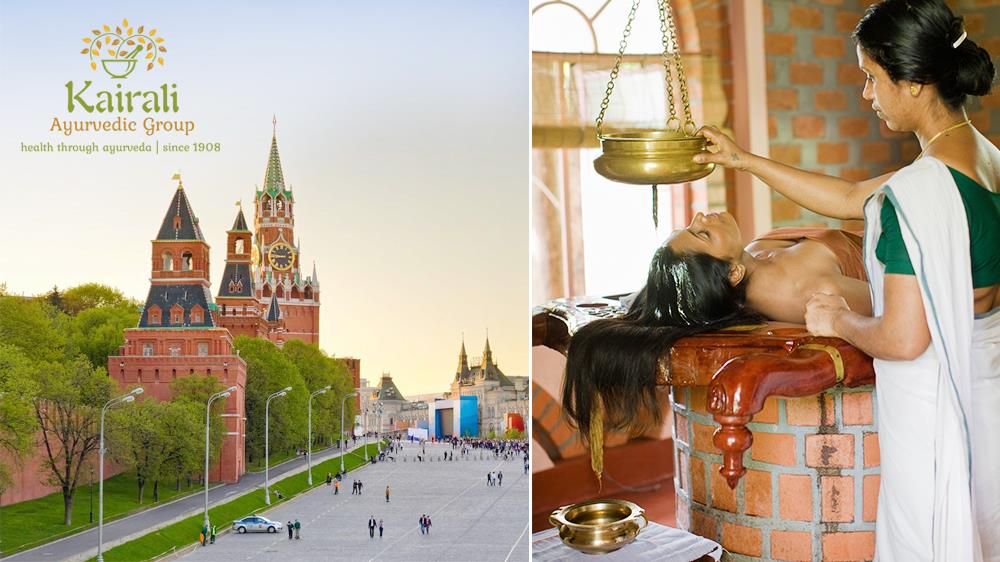
Russia may represent another area of interest for Kairali. However, any formal announcement about a Russian centre should follow only after the location, partnership structure and launch timeline have been confirmed.
Why Russia Is Relevant to the Ayurveda Conversation
International interest in Ayurveda often begins with a single therapy, massage or herbal product.
But Ayurveda is broader than any one service.
It includes physician assessment, diet, daily routine, seasonal guidance, herbal formulations and therapeutic procedures. A credible international centre must therefore do more than reproduce the appearance of Ayurveda. It must retain the systems that guide how care is selected and supervised.
This is especially important when Ayurveda enters a new cultural and regulatory setting.
A Russian centre, for example, would need to explain clearly:
- who conducts consultations
- how therapists are trained
- which services are offered
- how Ayurvedic products are sourced
- what medical and regulatory limits apply
- when a guest should be referred for conventional medical care
These details matter more than broad claims about relaxation or natural healing.
Kairali’s Treatment-Centre Model
Kairali’s first treatment centre was established in New Delhi in 1989.
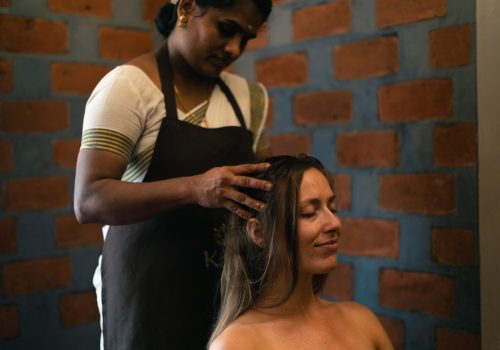
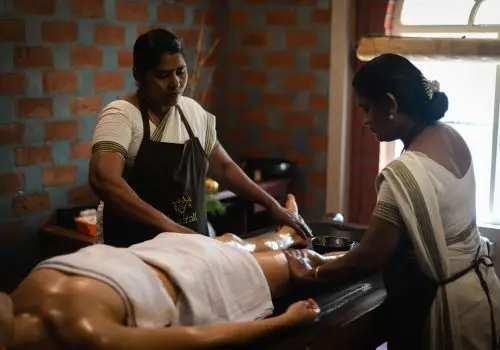
Since then, the Group has developed treatment-centre operations in India and select international markets. The model is based on supervised Ayurvedic services rather than a standard spa menu.
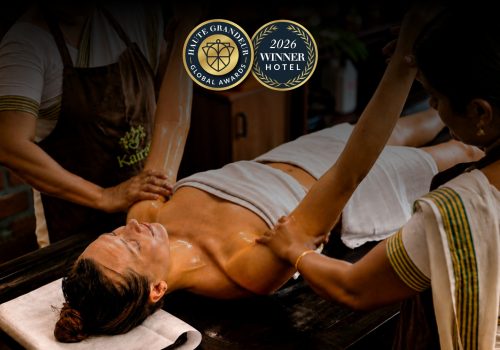
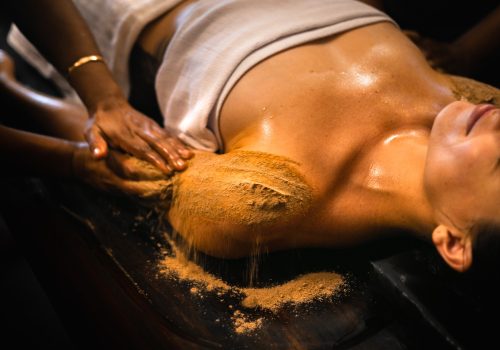
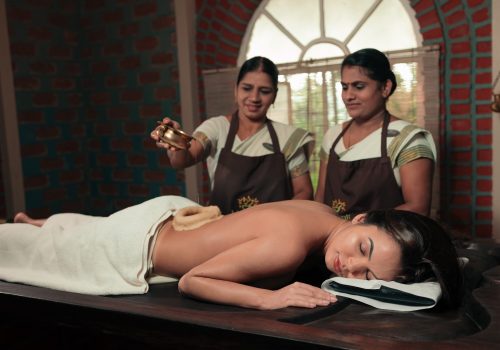
A treatment centre may include consultations, external therapies, lifestyle guidance and selected Ayurvedic formulations. The exact services depend on the centre, its practitioners and local regulations.
For international locations, consistency is essential.
Guests should be able to understand who is responsible for clinical decisions. Therapists should work within a defined scope, and treatment plans should not be presented as universal solutions.
This distinction helps protect both the guest and the credibility of Ayurveda.
The Role of Qualified Practitioners
Professional supervision is one of the clearest signs of a serious Ayurvedic centre.
Therapists are trained to perform specific procedures. They should not independently diagnose medical conditions or prescribe treatments beyond their role.
A qualified Ayurvedic physician should guide clinical assessment and treatment planning where medical Ayurvedic care is offered.
For a future Kairali presence in Russia, the practitioner model would need to be stated clearly. The team should confirm whether the centre would operate as:
- a treatment and wellness centre
- a consultation clinic
- a product-led retail and therapy location
- a franchise or partnership centre
- another approved format
That distinction should be clear before publication.
Ayurvedic Products and Quality Standards
Kairali Ayurvedic Products Pvt. Ltd. is the Group’s pharmaceutical division.
It manufactures classical and proprietary Ayurvedic formulations at a WHO-GMP-certified facility in Tamil Nadu. This certification applies specifically to KAPPL’s manufacturing operation.
For any international market, product availability depends on local registration, import rules, labelling requirements and permitted claims.
It would therefore be inaccurate to suggest that every product used in India can automatically be supplied or marketed in Russia.
Any Russia-facing article should confirm:
- which products are approved for sale
- whether products are imported directly
- whether local distribution partners are involved
- which claims are permitted under Russian regulations
Until these details are supplied, the article should refer only to Kairali’s broader manufacturing capability.
More Than Relaxation
The original draft presents Ayurvedic treatment mainly as a way to relax after a tiring day.
Relaxation may be part of the experience, but it is not the complete purpose of an Ayurvedic treatment centre.
Ayurveda also considers digestion, sleep, daily routine, physical comfort and individual constitution. In a supervised setting, therapies are selected according to the person rather than offered only for pampering.
This is the standard international audiences increasingly expect.
They want to know what a therapy involves, who selected it, what its limits are and whether it is suitable for them.
A future Kairali centre in Russia would need to meet that expectation through clear information and restrained claims.
Translating Ayurveda Without Diluting It
International expansion creates a tension.
Ayurveda must be explained in language that new audiences can understand. At the same time, it should not be simplified so much that its clinical structure disappears.
Terms such as doṣa, prakṛti and Panchakarma need explanation. They should not be used only to create an exotic atmosphere.
Likewise, therapies should be described by process rather than promise.
A credible centre explains what happens during a session. It avoids suggesting that every guest will receive the same outcome.
This approach makes Ayurveda easier to trust.
What a Russian Presence Should Communicate
When Kairali’s Russia plans are formally confirmed, the public announcement should answer practical questions.
Readers will need to know:
- the city and exact location
- the opening date
- the centre’s ownership or partnership model
- the qualifications of its practitioners
- the therapies and consultations available
- the status of product approvals
- the languages used for consultation
- how appointments can be booked
Without these facts, an expansion article risks becoming promotional but uninformative.
WhyAyurveda should instead explain what the new presence means for access, standards and the responsible international practice of Ayurveda.
A Careful Next Step
Kairali Ayurvedic Group has spent more than 35 years developing treatment centres, pharmaceutical manufacturing and residential Ayurvedic care.
A presence in Russia could extend that international work. But the value of the expansion will depend on how closely the centre maintains clear practitioner standards, appropriate product controls and individualised care.
International growth should not be measured only by the number of locations.
It should be measured by whether the principles and safeguards of Ayurvedic practice survive the move into a new market.