
































Understanding the Benefits, Risks & Best Ways to Use Black Turmeric
As temperatures rise across India, many people begin looking for natural ways to support immunity, digestion, skin health, and energy levels during summer. One ingredient that has recently gained attention in wellness conversations is black turmeric (Curcuma caesia), a rare medicinal rhizome traditionally used in Ayurveda and folk healing practices.
But is black turmeric actually suitable for summer?
The answer is more nuanced than many viral health trends suggest.
At Kairali – The Ayurvedic Healing Village, Ayurvedic practitioners emphasize that no herb should be consumed simply because it is “healthy.” Ayurveda focuses on individual constitution (dosha), seasonal balance, digestive strength, and method of use. While black turmeric may offer certain wellness-supportive properties, it may not be ideal for everyone during hot weather—especially when used incorrectly or excessively.
This article explores what classical Ayurvedic principles and modern understanding suggest about black turmeric during summer, including its potential benefits, precautions, and safer ways to include it in a balanced seasonal routine.
What Is Black Turmeric?
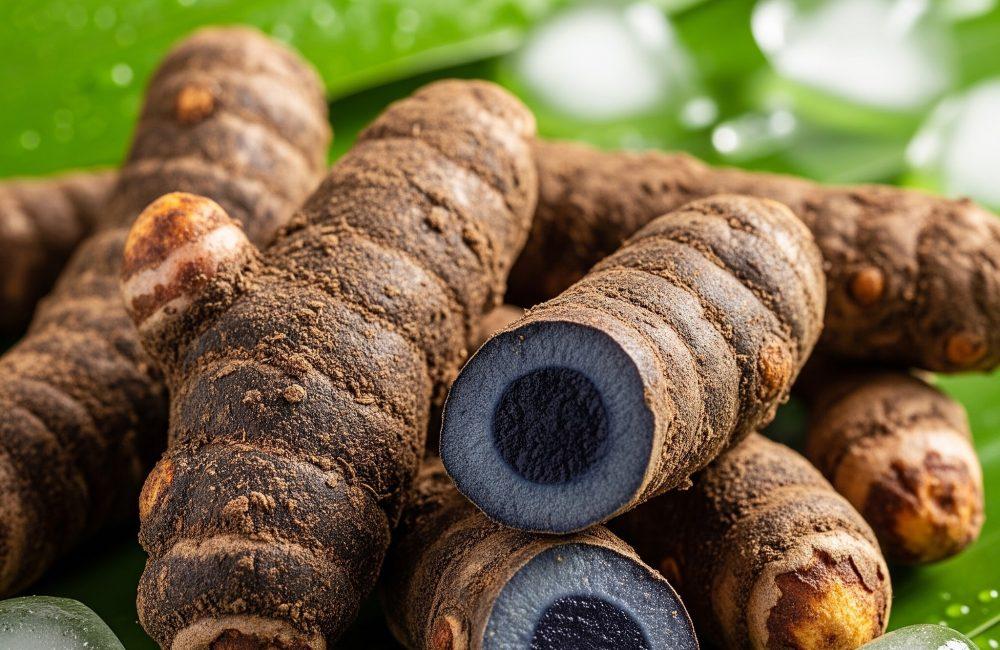
Black turmeric, known in Sanskrit and regional traditions as Kali Haldi, is a rare variety of turmeric with bluish-black flesh and a strong camphor-like aroma. Unlike regular yellow turmeric (Curcuma longa), black turmeric has historically been used more in:
- Traditional healing systems
- External applications
- Folk medicine
- Ritualistic and cultural practices
It contains naturally occurring plant compounds including:
- Curcuminoids
- Essential oils
- Camphor-like constituents
- Antioxidant compounds
However, scientific research on black turmeric remains limited compared to regular turmeric. Most existing studies are preliminary, laboratory-based, or animal studies rather than large-scale human clinical trials.
Is Black Turmeric Good for Summer?
Ayurveda’s Perspective: It Depends on Your Pitta Balance
Summer is considered Pitta season in Ayurveda. Pitta governs:
- Heat
- Metabolism
- Digestion
- Transformation in the body
During hot weather, excessive use of heating foods or herbs may aggravate Pitta and contribute to:
- Acidity
- Skin irritation
- Excess sweating
- Irritability
- Burning sensations
- Digestive discomfort
Black turmeric is traditionally understood to possess:
- Penetrating qualities
- Stimulating effects
- Warming potency in certain preparations
Because of this, Ayurveda generally advises caution with strong or heating herbs during peak summer—particularly for individuals with naturally high Pitta constitutions.
Potential Benefits of Black Turmeric in Controlled Use
When used appropriately under professional guidance, black turmeric may support wellness in some individuals.
1. Supports Digestion
Traditional Ayurvedic and folk practices have used black turmeric in small quantities to support digestive balance and reduce bloating.
However:
- Excessive use may worsen acidity in heat-sensitive individuals.
- Summer digestion tends to be naturally weaker, requiring gentler approaches.
2. May Support Immunity & Recovery
Black turmeric contains antioxidant compounds that may help support the body’s natural defense systems. Preliminary studies suggest possible anti-inflammatory and antimicrobial properties, although more human research is needed.
Ayurveda emphasizes that immunity (Ojas) is strengthened not by one ingredient alone, but through:
- Balanced digestion
- Proper sleep
- Seasonal diet
- Emotional well-being
3. External Applications May Be More Suitable in Summer
Traditionally, black turmeric has often been used externally in oils, pastes, and therapeutic applications rather than as a daily edible supplement.
At Ayurvedic centers like Kairali – The Ayurvedic Healing Village, herbal therapies are customized carefully depending on:
- Climate
- Body constitution
- Existing health conditions
- Seasonal imbalances
Who Should Be Careful with Black Turmeric During Summer?
Black turmeric may not be suitable for everyone, especially:
- People prone to acidity or ulcers
- Individuals with high Pitta symptoms
- Pregnant or breastfeeding women
- Those taking medications without medical supervision
- Individuals with chronic digestive sensitivity
There is currently insufficient high-quality clinical evidence establishing standardized safe dosage guidelines for regular consumption. This is why self-medication based on social media wellness trends should be avoided.
Safer Ayurvedic Alternatives for Summer Cooling
In many cases, Ayurveda prefers naturally cooling ingredients during hot weather, including:
- Coconut water
- Coriander
- Fennel
- Amla
- Vetiver
- Buttermilk
- Ash gourd
These ingredients help calm excess heat while supporting hydration and digestion more gently.
At Kairali, summer-focused Personalized Ayurveda programs typically prioritize balancing and cooling therapies rather than aggressive stimulation.
What Modern Science Currently Says
Research into black turmeric is still evolving. Some studies have explored:
- Antioxidant activity
- Anti-inflammatory potential
- Antimicrobial properties
But there are important limitations:
- Many studies are preclinical
- Human trials remain limited
- Standardized dosage and long-term safety data are lacking
According to current evidence, black turmeric should not be viewed as a “miracle cure” or replacement for medical treatment. Any claims suggesting it can cure major diseases are not scientifically validated and should be approached cautiously.
The Ayurvedic Principle That Matters Most: Personalization
One of the biggest misconceptions in wellness culture is the idea that one herb works universally for everyone.
Ayurveda teaches the opposite.
A substance that benefits one person may aggravate imbalance in another depending on:
- Dosha constitution
- Season
- Digestive strength
- Lifestyle
- Existing conditions
This is why authentic Ayurvedic care focuses on individualized guidance rather than generalized internet trends.
At Kairali – The Ayurvedic Healing Village, wellness programs are designed after detailed physician consultations to ensure herbs, diets, and therapies are appropriate for the individual—not just the season.
Should You Consume Black Turmeric This Summer?
For most healthy individuals, occasional and moderate use under professional guidance may be acceptable. However:
- It should not be overused during peak heat
- It may not suit people with aggravated Pitta
- It should not replace evidence-based medical care
- External therapeutic use may sometimes be more appropriate than internal supplementation
The safest approach is to consult a qualified Ayurvedic practitioner who can assess whether black turmeric aligns with your constitution and summer wellness needs.
Why Authentic Guidance Matters More Than Wellness Trends
As Ayurvedic ingredients gain popularity online, misinformation often spreads faster than evidence. Viral claims rarely consider:
- Seasonal suitability
- Dosha balance
- Safety precautions
- Individual health history
At Kairali, Ayurveda is approached as a complete lifestyle science—not a quick-fix wellness trend.
Through medically guided consultations, therapeutic nutrition, and structured Holistic wellness retreat experiences, guests are encouraged to understand what truly supports long-term balance and sustainable health.
Final Thoughts
Black turmeric is an intriguing and traditionally valued herb with potential wellness-supportive properties. But Ayurveda does not classify herbs as universally “good” or “bad.” Instead, it asks a more important question:
“Is this appropriate for your body, your season, and your current imbalance?”
During Indian summers, cooling and balancing practices usually take priority over strong or heating interventions. Understanding this distinction is essential for safe and meaningful Ayurvedic wellness.
Black turmeric may be safe in small, moderate amounts for some individuals, but Ayurveda recommends caution during summer because it can have warming properties. People with high Pitta symptoms such as acidity, skin irritation, or excessive body heat should avoid self-medication and consult a qualified Ayurvedic practitioner before use.
Traditionally, black turmeric has been used to support digestion, immunity, inflammation management, and general wellness. Some preliminary scientific studies also suggest antioxidant and antimicrobial properties. However, more human clinical research is needed to confirm many of these benefits.
Black turmeric is not generally considered a primary cooling herb in Ayurveda. During summer, Ayurveda usually recommends cooling ingredients such as coconut water, fennel, coriander, and amla to help balance excess heat naturally.
Black turmeric may not be suitable for:
Pregnant or breastfeeding women
People with ulcers or acidity
Individuals with high Pitta imbalance
Those taking medications without medical supervision
People with sensitive digestion or chronic medical conditions
Professional guidance is strongly recommended before regular use.
Ayurveda focuses on individual body constitution, seasonal balance, digestion, and lifestyle. A herb that benefits one person may not suit another. At Kairali – The Ayurvedic Healing Village, physicians create Personalized Ayurveda programs after detailed consultations to ensure herbs and therapies are appropriate for each individual’s health needs and seasonal condition.
About the Author
Dr. Rahul R is a dedicated Ayurvedic physician at Kairali – The Ayurvedic Healing Village, bringing over 7 years of clinical experience in holistic diagnosis and personalized healing. Known for his calm demeanor and patient-centered approach, Dr. Rahul excels in decoding the subtle intricacies of the human constitution through the lens of Ayurveda.
Dr. Rahul believes that every body speaks its own language—and that Ayurvedic wisdom offers the most intuitive way to listen. His practice is rooted in balance, sustainability, and self-awareness, empowering guests to take charge of their well-being beyond treatment. He combines classical diagnostic tools like Nadi Pariksha (pulse reading) with modern wellness insights to provide grounded and practical healing recommendations.