











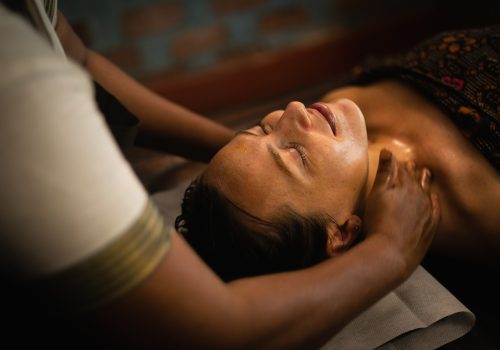
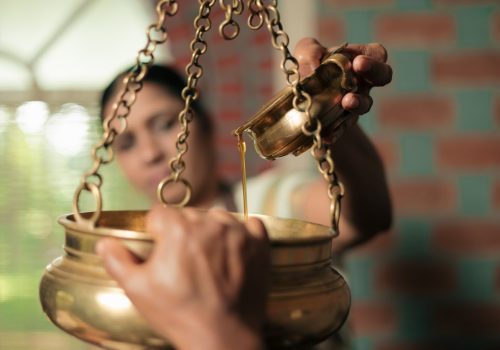
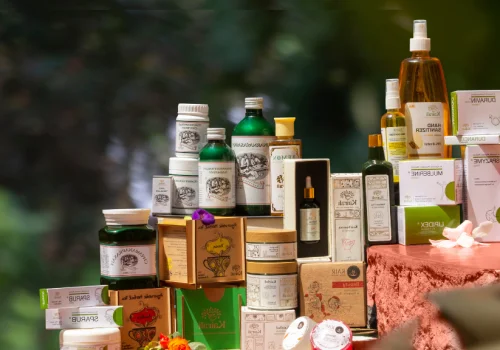













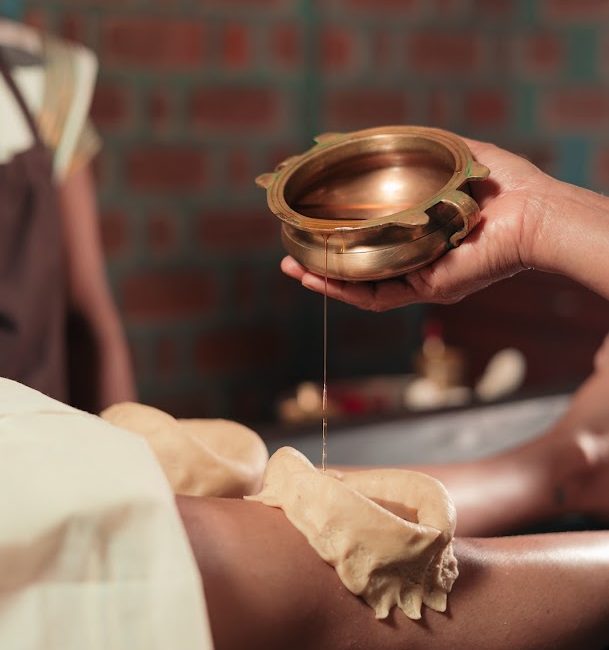

Kairtis Oil is an Ayurvedic external massage oil intended to support joint comfort, ease stiffness, and promote mobility when used as directed. Traditionally, warm oil massage (Abhyanga) followed by gentle heat application helps improve comfort, supports local circulation, and enhances relaxation of muscles and soft tissues. Consistent use, alongside appropriate exercise and professional medical care where needed, may contribute to overall musculoskeletal wellbeing.
Joint Discomfort Can Affect Everyday Life
Whether it develops gradually with age or follows physical strain, joint discomfort can make simple activities—walking, climbing stairs, gardening, exercising, or even getting out of bed—feel more difficult.
Many people seek approaches that complement healthy movement and medical care without relying exclusively on oral medications. Ayurveda has long recognised the value of external oil therapies as part of a broader approach to maintaining musculoskeletal health.
Among these traditional preparations is Kairtis Oil, an Ayurvedic massage oil formulated for external application.
Rather than functioning as a standalone solution, external oil massage is traditionally combined with appropriate movement, rest, diet, and lifestyle practices selected according to an individual’s needs.
What Is Kairtis Oil?
Kairtis Oil is an Ayurvedic external application formulated by Kairali Ayurvedic Products for massage of joints and muscles according to its approved intended use.
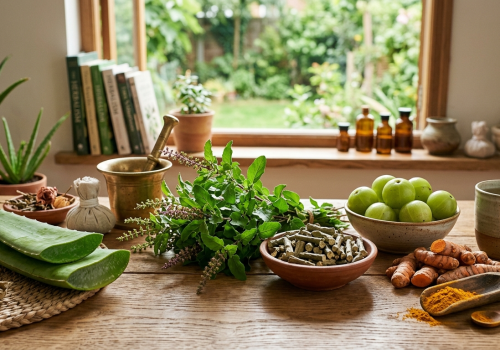
Its formulation combines herbal ingredients traditionally used in Ayurveda within an oil base designed for massage.
The oil is intended for external use only and is applied through gentle massage over areas experiencing stiffness or discomfort.
Why Warm Oil Massage Is Important in Ayurveda
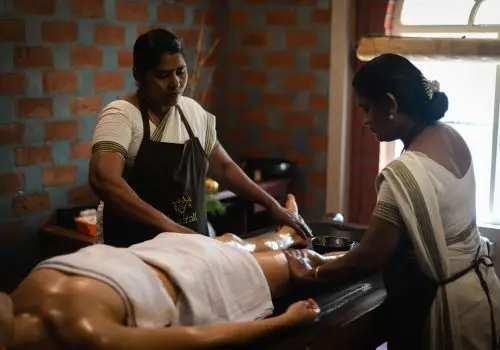
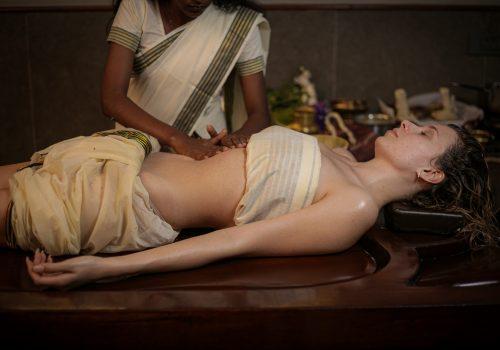
Massage with warm herbal oils—known as Abhyanga—has been described in classical Ayurvedic literature for centuries.
From an Ayurvedic perspective, warm oil massage helps:
- nourish superficial tissues
- soften and lubricate the skin
- support comfortable movement
- encourage relaxation
- promote a feeling of warmth in areas of stiffness
Many practitioners also combine massage with localized warmth, such as a warm herbal compress (potli), which has traditionally been used to complement oil application.
It is important to note that while these practices have a long history within Ayurveda, modern clinical evidence varies depending on the specific preparation, condition, and study design. Results can differ between individuals, and external massage should not replace appropriate medical evaluation for persistent or severe joint problems.
Step-by-Step Guide to Using Kairtis Oil
Step 1: Warm the Oil Gently
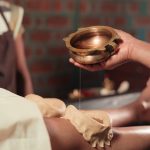
Pour approximately 5–6 ml of Kairtis Oil into a clean oil-heating vessel.
Warm the oil over a low flame until it reaches a comfortably warm temperature.
Avoid overheating, as excessively hot oil may irritate or burn the skin.
Step 2: Apply to the Affected Area
Using clean hands, apply the warmed oil over the area of discomfort.
Massage gently using slow circular movements.
Allow approximately 15 minutes for the massage.
Avoid vigorous pressure over swollen, injured, or acutely painful areas unless advised by a qualified practitioner.
Step 3: Prepare a Warm Herbal Compress
If using a traditional herbal potli:
- Warm approximately 10–12 ml of Kairtis Oil.
- Heat the herbal compress in the warmed oil.
- Before application, test the temperature against the back of your hand to ensure it is comfortably warm.
The compress should never be hot enough to cause discomfort or burns.
Step 4: Apply the Potli
Gently tap the warm herbal compress over the affected area before beginning slow circular movements.
Traditional practice recommends:
- five clockwise rotations
- pause briefly
- five anticlockwise rotations
Continue for 15–20 minutes, reheating the compress as needed to maintain comfortable warmth.
Step 5: Maintain Adequate Oil
If the oil begins to dry during therapy, add another 3–5 ml to maintain smooth movement of the compress and reduce friction.
Step 6: Use Consistently
Consistent application is generally more important than occasional intensive use.
Follow the frequency recommended on the product label or by your Ayurvedic practitioner.
If discomfort persists or worsens despite regular use, seek assessment from a qualified healthcare professional.
Practical Tips for Better Results
Many Ayurvedic practitioners recommend combining external massage with simple lifestyle measures, including:
- maintaining regular gentle movement
- avoiding prolonged sitting
- staying physically active within comfortable limits
- maintaining a healthy body weight
- following an individually appropriate diet
- ensuring adequate sleep and recovery
These measures often play an important role alongside any external massage routine.
Safety Considerations
Kairtis Oil is intended for external use only.
Before first use:
- perform a small patch test
- discontinue use if irritation develops
- avoid broken skin
- avoid contact with eyes and mucous membranes
Pregnant individuals, breastfeeding mothers, children, and people with significant medical conditions should seek advice from an appropriately qualified healthcare professional before beginning any new therapeutic product.
Traditionally, yes. Warm oil generally spreads more easily during massage and may provide a more comfortable experience than cold oil.
Use the product according to the instructions provided on its packaging or the advice of your Ayurvedic practitioner.
Many people find that combining gentle movement, stretching, and an appropriate exercise programme with massage supports overall mobility. However, exercise should be adapted to individual needs and underlying medical conditions.
No.
Persistent joint pain, swelling, redness, fever, significant injury, numbness, sudden weakness, or unexplained loss of function should always be assessed by a qualified healthcare professional.
Ayurvedic external therapies may be used as part of an overall care plan where appropriate but should not delay necessary medical evaluation.