































Digestive discomfort—bloating, gas, acidity, heaviness after meals, irregular stools—is often your body’s way of saying: digestion needs rhythm.
In Ayurveda, digestion is governed by Agni (digestive “fire”). When Agni is balanced, you feel light, hungry at the right times, and satisfied after meals. When Agni is weak or irregular, you may notice indigestion, burping, constipation, loose stools, acidity, or fatigue after eating.
Below are simple, traditional Ayurveda-aligned habits and home practices that many people use to support digestion naturally.
1) Start your day with warm water (and keep hydration gentle)
Ayurvedic routines often begin with lukewarm water in the morning to gently stimulate the gut. Some traditional routines add lemon and a pinch of rock salt, though not everyone needs additives (especially if you’re prone to acidity).
Try this:
- Begin with a small glass of warm water
- Increase gradually based on comfort
- Avoid “forcing” large quantities if it causes nausea or cramps
2) Eat on a schedule: timing matters as much as food
A major digestion-killer is irregular meal timing—skipping meals, eating late at night, or grazing all day. Ayurveda emphasizes consistent timing so Agni can “show up” reliably.
Simple rhythm:
- Eat when you feel true hunger
- Keep dinner lighter and earlier than lunch
- Leave a gap between dinner and sleep when possible
3) Chew more than you think you need to
This is the most underrated digestion tool.
Digestion begins in the mouth. Chewing thoroughly:
- reduces workload on the stomach
- supports smoother digestion
- can reduce bloating from swallowed air
Rule of thumb: chew until food is soft and easy to swallow.
4) Use kitchen spices as “digestive companions”
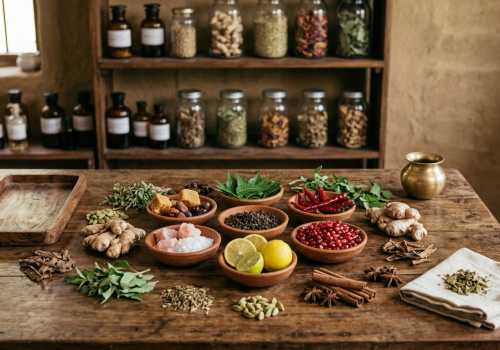
Traditional Ayurveda frequently uses everyday spices to support digestion.
Commonly used choices include:
- Fennel (often chewed after meals)
- Cumin
- Coriander
- Ajwain (carom seeds)
- Ginger (especially after meals, in small amounts)
IndiaTV’s Ayurveda-style digestion guidance frequently includes fennel, cumin, coriander combinations and post-meal ginger use.
5) Try CCF-style warm infusion (cumin–coriander–fennel)
A widely used Ayurvedic home drink is the CCF blend—typically cumin, coriander, and fennel infused in hot water.
One wellness education resource describes CCF tea as a traditional digestion-support drink (often used for gas/bloating).
Basic method (gentle version):
- Add ½ tsp cumin + ½ tsp coriander + ½ tsp fennel to hot water
- Steep 5–10 minutes
- Sip warm after meals or between meals
If you’re very heat-sensitive (acidity), make it lighter and observe how you feel.
6) Add fruit support for constipation-prone digestion
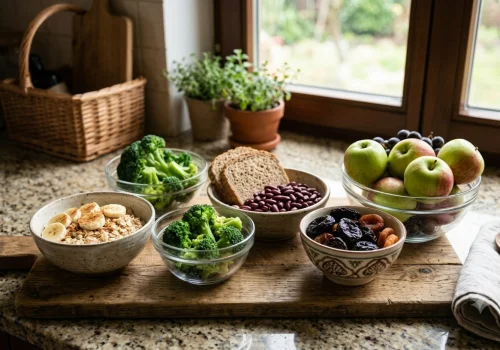
In the accessible IndiaTV digestion article, constipation support includes fruits such as papaya, apple, pomegranate, and pear as diet additions.
Ayurvedic-friendly tip:
Prefer fruits earlier in the day and avoid combining fruit with heavy meals if you notice bloating.
7) Herbal support: Triphala (only if appropriate)
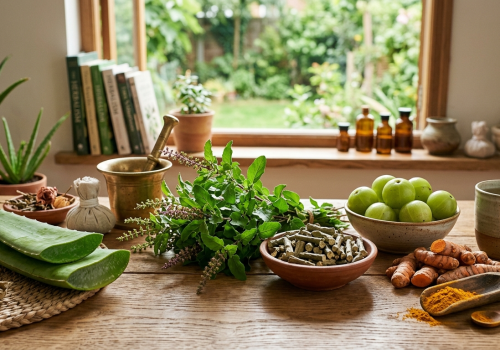
Triphala is one of Ayurveda’s best-known digestive formulations, commonly used for bowel regularity and gut support.
Clinical literature reviews note human trial evidence where Triphala was associated with improvements in constipation and related GI symptoms in certain populations.
Important: Triphala can have a laxative effect for some people. It may not be suitable if you have diarrhea, are pregnant, have chronic GI disease, or take medications—check with a qualified clinician first.
8) Cooling supports for acidity/heat-type digestion (pitta tendency)
Some traditional home approaches include cooling, soothing preparations. The IndiaTV article mentions gulkand-style preparation (rose-based), commonly used traditionally for heat and digestive comfort.
If acidity is frequent, also consider:
- smaller, earlier dinners
- reducing very spicy/fried foods
- limiting coffee/alcohol
- avoiding lying down right after meals
9) A gentle movement habit helps digestion
Ayurveda often pairs food with light daily movement—walking after meals, stretching, or yoga-like mobility.
A simple 10–15 minute walk after lunch/dinner can be surprisingly effective for bloating and heaviness.
When to get medical help
Home tips are for mild, occasional discomfort. Seek medical advice if you have:
- persistent pain, vomiting, blood in stool
- unintentional weight loss
- severe reflux or symptoms lasting more than 2–3 weeks
- long-standing constipation or diarrhea
Conclusion
Improving digestion the Ayurvedic way isn’t about quick fixes—it’s about restoring rhythm. When you support Agni (digestive fire) with simple daily habits like warm water, regular mealtimes, mindful chewing, gentle spice infusions, light movement, and appropriate herbal support, your body often responds with less bloating, better appetite, smoother elimination, and steadier energy. Start with one or two changes, stay consistent, and observe how your system adapts. If symptoms persist or feel severe, it’s always best to consult a qualified healthcare professional for proper evaluation and guidance.
About the Author
Dr. Akhila Oommen is a highly experienced Ayurvedic physician at Kairali – The Ayurvedic Healing Village, with over 9 years of dedicated practice in holistic health management. Her clinical approach is deeply rooted in classical Ayurvedic principles, complemented by a compassionate, solution-oriented mindset. Her ability to treat complex and chronic conditions with precision and empathy has earned her the trust of countless wellness seekers from around the world.
Dr. Akhila believes in empowering individuals through knowledge of their own constitution and imbalances. Her treatments are guided by the Ayurvedic principle of Swasthasya Swasthya Rakshanam—preserving the health of the healthy—and she emphasizes preventive care just as much as curative protocols. Her goal is not just to treat disease but to create balance across the body, mind, and spirit for sustainable well-being.