























Understanding women’s hormonal health through Ayurveda, personalised care and the importance of modern medical guidance.
Irregular periods, disrupted sleep, acne, weight fluctuations and changes in mood can make women feel increasingly unfamiliar with their own bodies. For many women approaching their 40s and 50s, these changes can affect everyday life, emotional well-being and confidence.
Yet women often accept these experiences as an unavoidable part of hormonal change. While some changes are natural, persistent or uncomfortable symptoms deserve attention and appropriate medical assessment.
An Ayurvedic approach to women’s well-being considers more than individual symptoms. It looks at nutrition, sleep, digestion, physical activity, stress and daily habits.
At Kairali – The Ayurvedic Healing Village, an NABH-accredited Ayurvedic hospital in Palakkad, Kerala, this approach takes the form of physician-led, personalised care within a structured residential environment.
The purpose of an Ayurvedic stay is to complement appropriate medical care while creating space for rest, nourishment and healthier daily routines.
Understanding Hormonal Health Through Ayurveda
Modern medicine and Ayurveda approach women’s health through different frameworks.
While modern medicine examines hormones, reproductive function and metabolic health, Ayurveda considers broader patterns of physical and emotional well-being.
An Ayurvedic assessment traditionally considers:
- Doshas (Doṣa): Vata, Pitta and Kapha, the three functional principles described in Ayurveda.
- Agni: Digestive and metabolic capacity within the Ayurvedic framework.
- Dhatus (Dhātu): The body’s tissues.
- Sleep quality and energy levels.
- Digestion, appetite and elimination.
- Daily routines and emotional well-being.
These observations help an Ayurvedic physician understand an individual’s overall constitution and current health patterns.
However, Ayurvedic concepts such as Vata, Pitta and Kapha are not direct equivalents of oestrogen, progesterone, insulin or thyroid hormones. Ayurvedic assessment should complement, rather than replace, conventional medical evaluation.
PCOS: Why Medical Diagnosis Comes First
Polycystic ovary syndrome (PCOS) is a hormonal and metabolic condition that can affect reproductive health and overall well-being.
Its symptoms vary from person to person and may include irregular menstrual cycles, acne, excessive facial or body hair and difficulties with ovulation. Not every woman with PCOS experiences the same symptoms or has polycystic ovaries.
Women experiencing persistent menstrual irregularities or other unexplained changes should consult a qualified healthcare professional.
An Ayurvedic stay can provide a structured setting in which to focus on general well-being, including consistent meal timings, appropriate physical activity, sleep and relaxation.
However, Panchakarma, herbal preparations and other Ayurvedic therapies should not be regarded as substitutes for PCOS diagnosis, medical treatment or ongoing monitoring.
Perimenopause: Making Space for a Changing Body
Perimenopause is the transitional phase leading towards menopause. Natural menopause is established after 12 consecutive months without a menstrual period, when there is no other underlying cause.
During this transition, women may experience:
- Changes in menstrual cycles.
- Hot flushes and night sweats.
- Difficulty sleeping.
- Changes in mood.
- Fatigue and changes in energy levels.
The experience differs considerably between women. It is also important to recognise that not every health concern arising after the age of 40 is necessarily related to perimenopause.
The value of an Ayurvedic stay during this stage lies in the opportunity to step away from demanding routines and devote time to rest, nourishment and general well-being.
A structured environment can make it easier to establish consistent habits that may otherwise be difficult to maintain amid professional and family responsibilities.
What Can Women Expect at Kairali – The Ayurvedic Healing Village?
Located in Palakkad, Kerala, Kairali – The Ayurvedic Healing Village combines physician-led Ayurvedic care, residential accommodation, personalised nutrition, traditional therapies, yoga and meditation.
Rather than following an identical schedule for every guest, Ayurvedic care begins with an individual assessment.
1. A Detailed Ayurvedic Consultation
The consultation forms the foundation of an Ayurvedic programme at Kairali.
The physician reviews the individual’s medical history, existing health concerns, medications, dietary habits, sleep patterns and lifestyle.
For women, relevant information about menstrual history and changes associated with different stages of life may also form part of the discussion.
The physician considers the individual’s Prakṛti (natural constitution) and current health patterns before recommending an appropriate programme.
Existing medical diagnoses and prescribed medications remain important considerations throughout this process.
2. Personalised Nutrition and Daily Routines
Nutrition is an important component of traditional Ayurvedic care.
At Kairali, dietary recommendations form part of the personalised programme, taking into consideration the individual’s constitution, appetite, digestive capacity and overall health.
Regular meal timings, appropriate nourishment and a consistent daily schedule allow guests to devote greater attention to their everyday habits.
These practices can also provide a foundation for maintaining healthier routines after returning home.
3. Physician-Supervised Ayurvedic Therapies
Traditional Ayurvedic therapies may form part of a residential programme, depending on individual suitability and the physician’s assessment.
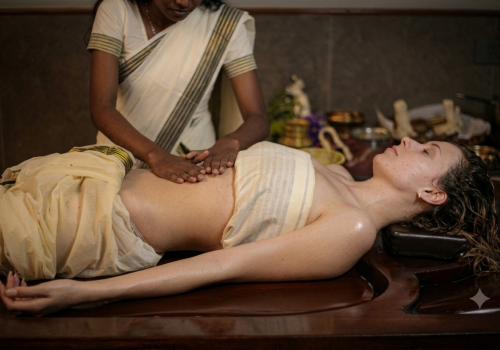
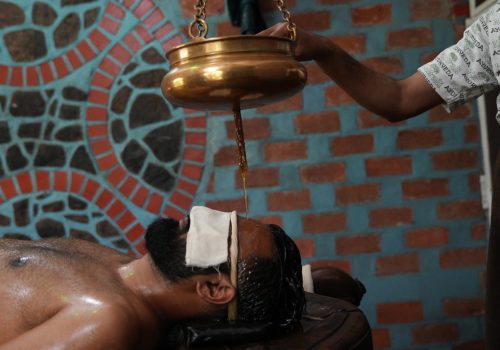
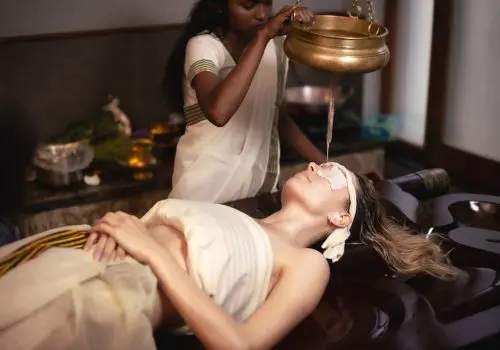
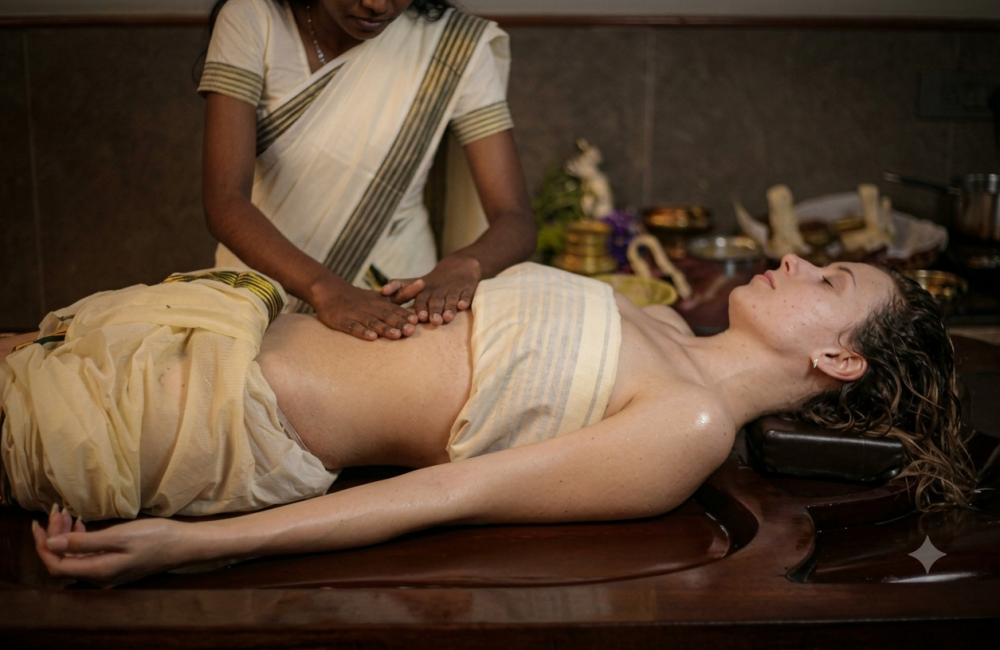
These may include Abhyaṅga (traditional Ayurvedic oil massage) and Śirodhārā (a procedure involving the controlled flow of liquid over the forehead), where appropriate.
Such therapies may be included for relaxation and general well-being within a wider programme of care.
Their role should be understood realistically. They have not been established as reliable methods for restoring fertility, eliminating ovarian cysts or correcting reproductive hormone levels.
Panchakarma, in particular, requires careful assessment and professional supervision.
4. Yoga, Meditation and Rest
The demands of everyday life can leave little time for adequate rest or regular physical activity.
Guided yoga, meditation and periods of rest at Kairali provide opportunities to establish a more consistent daily rhythm.
The residential setting allows guests to focus on these practices without many of the interruptions associated with their usual schedules.
The longer-term value lies in identifying manageable habits that can become part of everyday life.
Shatavari and Women’s Health: Tradition and Modern Evidence
Shatavari (Asparagus racemosus) is a herb with a longstanding association with women’s health in traditional Ayurvedic practice.
It appears in Ayurvedic preparations used in different contexts relating to women’s well-being.
Modern researchers have also investigated Shatavari root extracts in women experiencing menopausal and perimenopausal symptoms. Although some clinical studies have reported encouraging findings, further research involving larger populations and longer follow-up periods is needed.
Evidence concerning its role in PCOS remains limited.
Shatavari should therefore not be presented as a universal hormone-balancing supplement or a replacement for prescribed medication.
Women considering herbal preparations should discuss their suitability with a qualified healthcare professional and Ayurvedic physician.
What an Ayurvedic Stay Can and Cannot Offer
Hormonal health is complex. A short residential stay, individual herb or traditional therapy cannot be expected to resolve every concern associated with hormonal changes.
What a well-structured Ayurvedic stay can offer is time and professional guidance to focus on important aspects of general well-being:
- Consistent and nourishing meals.
- Opportunities for rest and regular sleep.
- Appropriate movement and physical activity.
- Time for relaxation and stress management.
- Personalised Ayurvedic lifestyle guidance.
- Sustainable routines that can continue at home.
Medical diagnosis, prescribed medication, necessary investigations and ongoing gynaecological or endocrine care remain essential wherever indicated.
Looking Beyond the Retreat
Women’s health deserves attention at every stage of life. Perimenopause and other hormonal changes can be opportunities to reconsider everyday habits, seek appropriate medical guidance and make more informed decisions about personal well-being.
At Kairali – The Ayurvedic Healing Village, the physician-led residential approach provides an opportunity to explore Ayurvedic principles within a supervised environment, with attention to individual needs and daily routines.
The significance of such a stay extends beyond the time spent in Kerala. It lies in developing practical habits that can be maintained once women return to their everyday lives.
Hormonal health is not something that can be reset through a single intervention. It deserves sustained attention, realistic expectations and appropriate professional care.
Explore personalised Ayurvedic care in Kerala
Learn more about physician-led Ayurvedic programmes at Kairali – The Ayurvedic Healing Village or arrange an Ayurvedic physician consultation to understand whether a residential stay is appropriate for your general well-being.
Note: This article is intended for educational purposes. Ayurvedic care should complement appropriate medical care and should not replace medical diagnosis, prescribed medication or ongoing treatment.
Website: www.ktahv.com
Call: +91-9555156156





Leave a Reply