




















A slipped disc, also known as a herniated disc, can cause back pain, stiffness, and difficulty with everyday movement. In some cases, it may also lead to tingling, numbness, or pain extending into the arms or legs.
While many people improve with appropriate medical care, physiotherapy, and gradual activity, others explore complementary approaches to managing discomfort.
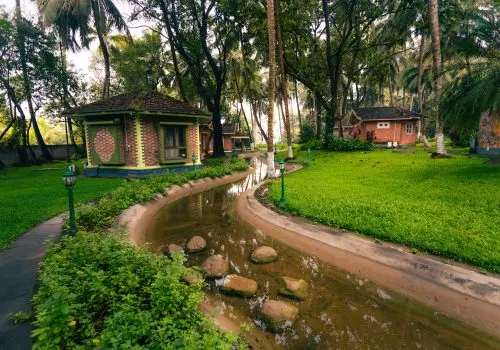
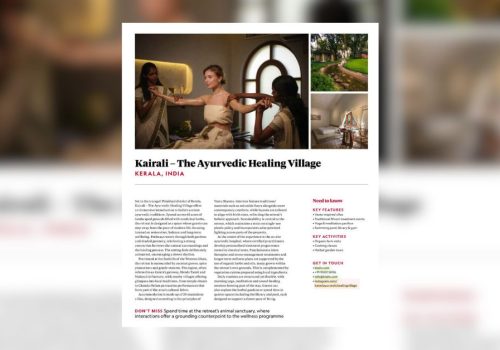
At Kairali, The Ayurvedic Healing Village, in Palakkad, Kerala, Ayurvedic treatment for slip disc is approached through individual consultations, traditional therapies, and guided lifestyle practices.
Understanding these methods, their limitations, and the importance of medical supervision can help individuals make informed decisions.
What Is a Slipped Disc?
The spine contains intervertebral discs that act as cushions between the vertebrae. Each disc has a softer centre surrounded by a stronger outer layer.
A slipped or herniated disc occurs when part of the disc pushes outward. If it irritates or compresses a nearby nerve, it may cause pain, numbness, or muscle weakness.
Common symptoms include lower back pain, stiffness, reduced mobility, and pain travelling into the legs.
However, not every herniated disc causes symptoms. Treatment depends on the location of the disc, the severity of nerve involvement, and the person’s overall health.
How Does Ayurveda Understand Slip Disc?
Ayurveda traditionally considers back pain and restricted movement through concepts associated with Vāta doṣa, the functional principle linked to movement and nervous-system activity.
Ayurvedic practitioners may assess symptoms such as stiffness, discomfort, and movement limitations within this traditional framework.
However, a Vāta imbalance is not the same as a medically diagnosed herniated disc.
Modern clinical assessment remains necessary to understand disc changes, nerve involvement, and any potentially serious complications.
Ayurvedic care may be considered as a complementary approach, depending on individual suitability and medical advice.
Ayurvedic Therapies Used in Spinal Wellness
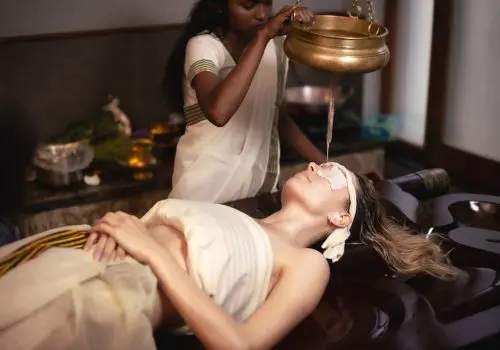
Kairali offers physician-guided programmes for spinal-disc concerns. Its treatment approach may include traditional oil therapies and other Ayurvedic procedures selected after individual evaluation.
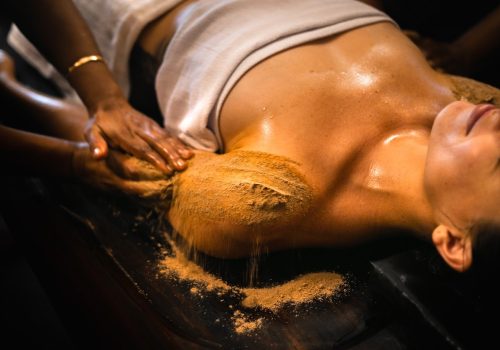
1. Abhyanga: Ayurvedic Oil Massage
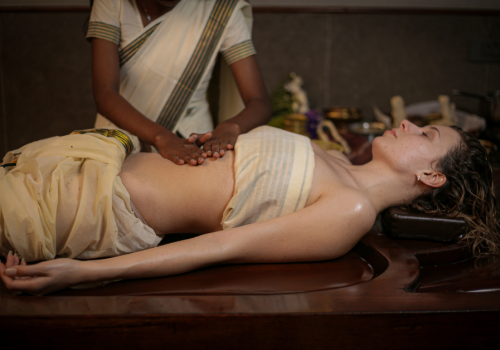
Abhyanga is a traditional massage involving the application of oils selected according to individual requirements.
It is commonly used in Ayurveda for relaxation and physical comfort.
Although massage may help some people manage muscular tension, it does not correct a herniated disc. Direct pressure and certain movements may also be unsuitable when nerve symptoms are present.
2. Kati Basti: Localised Oil Therapy
Kati Basti is a traditional procedure in which warm medicated oil is retained over the lower back within a ring made from dough.
It is used in Ayurvedic practice as a localised oil application.
While some individuals may find warmth relaxing, there is insufficient high-quality evidence to establish that Kati Basti repairs spinal discs or reverses nerve compression.
The procedure should be carried out only after an appropriate assessment.
3. Elakizhi: Herbal Pouch Therapy
Elakizhi, also known as Patra Pinda Sveda, involves applying heated herbal pouches to selected areas of the body.
The procedure combines warmth with traditional herbal preparations and is used in Ayurvedic musculoskeletal care.
Its suitability depends on the person’s symptoms, tolerance to heat, and medical circumstances.
Clinical evidence specifically supporting Elakizhi for herniated discs remains limited.
4. Basti: A Classical Panchakarma Procedure
Basti is one of the procedures described within classical Pañcakarma, a group of supervised Ayurvedic therapeutic practices.
It involves the administration of selected preparations through the rectal route and is traditionally associated with Vāta-related conditions.
Basti requires professional supervision and careful assessment of contraindications.
It should not be understood as a proven method for correcting spinal-disc damage or nerve compression.
The Role of Yoga and Physical Activity
Movement is an important consideration in spinal health.
For many people with a herniated disc, appropriately selected activity and physiotherapy form part of conventional care.
Yoga may also be considered as a complementary practice when movements are adapted to the individual’s condition.
However, not every yoga posture is suitable for someone experiencing back pain or nerve symptoms.
Deep forward bends, twisting movements, or unsupported backbends may aggravate symptoms in certain individuals.
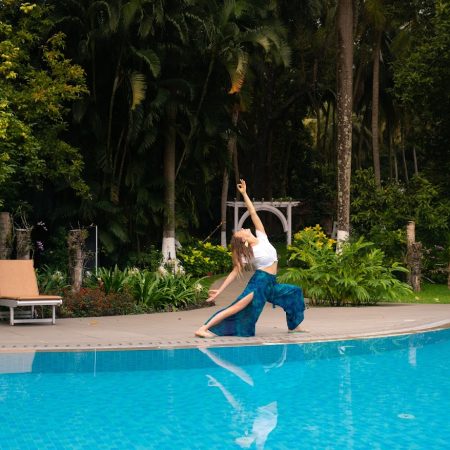
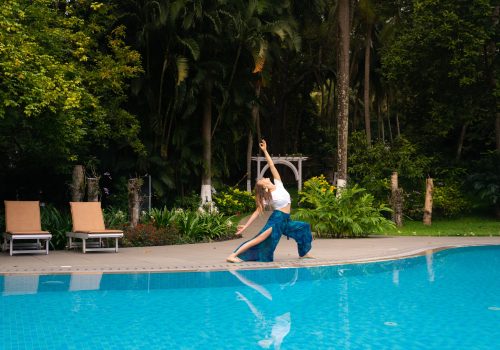
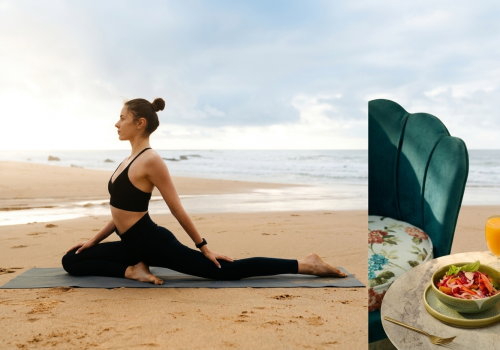
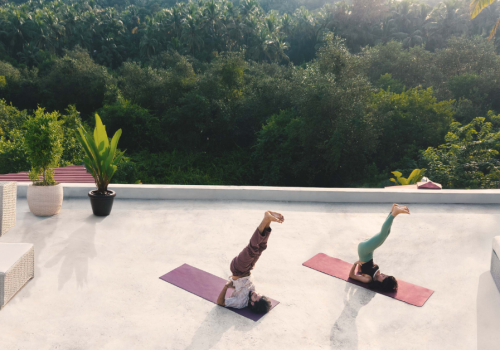
At Kairali, guided yoga and lifestyle practices complement the broader Ayurvedic programme. Any movement plan for a person with a herniated disc should be discussed with an appropriately qualified healthcare professional.
Diet and Lifestyle in Ayurvedic Spinal Care
Ayurveda places importance on regular meals, adequate rest, and consistent daily habits.
In traditional practice, dietary guidance may consider prakṛti (individual constitution), digestion, and seasonal conditions.
At Kairali, personalised dietary recommendations may accompany physician-guided wellness programmes.
Balanced nutrition, sufficient sleep, and appropriate physical activity are relevant to general health.
However, no particular food, spice, or Ayurvedic diet has been conclusively shown to repair a herniated disc.
Why Medical Assessment Matters
A herniated disc may cause symptoms that require conventional medical attention.
Sudden or worsening muscle weakness, loss of bladder or bowel control, or numbness around the groin or saddle area can indicate serious nerve compression and require immediate emergency assessment.
People with progressive neurological symptoms should not delay medical care in favour of massage, yoga, or other complementary therapies.
For less urgent cases, treatment decisions should consider the clinical diagnosis, the severity of symptoms, and the individual’s response to established care.
Kairali’s Physician-Guided Approach
Kairali, The Ayurvedic Healing Village, is an NABH-accredited Ayurvedic hospital-resort located in Palakkad, Kerala.
Its spinal wellness programme is organised around individual Ayurvedic consultations and the selection of appropriate traditional procedures.
The programme may include oil therapies, selected Panchakarma practices, yoga, dietary guidance, and lifestyle recommendations, depending on the supervising physician’s assessment.
This structured approach allows individual needs and safety considerations to be discussed before a programme begins.
Can Ayurveda Cure a Slipped Disc?
There is currently insufficient robust clinical evidence to conclude that Ayurvedic therapies can cure a herniated disc, reverse nerve compression, or prevent recurrence.
Research into Ayurvedic approaches for lumbar-disc conditions is ongoing.
For example, researchers have designed a randomised controlled trial comparing an Ayurvedic treatment protocol with conventional care for lumbar disc herniation with radiculopathy. The study’s protocol was published in September 2026, but its clinical results were not yet available.
Ayurveda should therefore be considered in the context of complementary, individualised care rather than as a guaranteed alternative to established medical treatment.
Final Thoughts
A slipped disc can affect mobility, comfort, and daily activities, but its management requires an accurate diagnosis and an understanding of the individual’s symptoms.
Traditional Ayurvedic approaches may form part of a broader wellness plan when they are medically appropriate and professionally supervised.
At Kairali – The Ayurvedic Healing Village, consultations and individualised programmes provide a framework for exploring these practices.
The important consideration is not whether one healthcare approach replaces another, but whether the chosen care is safe, appropriate, and supported by realistic expectations.
Website: www.ktahv.com
Call: +91-9555156156