




























Stress, anxiety, and low mood have become increasingly common in today’s fast-paced world. While yoga has long been practised to promote physical and mental wellbeing, it should not be viewed as a replacement for professional mental healthcare. Instead, it can be one part of a broader approach to supporting emotional wellbeing.
In Ayurveda and classical yoga philosophy, the mind and body are closely connected. Healthy daily routines, mindful movement, balanced nutrition, adequate rest, and breathing practices are all considered important aspects of overall wellbeing.
At Kairali Ayurvedic Healing Village, yoga is integrated into personalised wellness programmes under the guidance of qualified practitioners. The emphasis is on supporting healthy lifestyle habits rather than treating mental health conditions.
How Yoga Views Emotional Wellbeing
Classical yoga philosophy describes the mind through three qualities known as the gunas.
These are Sattva, Rajas, and Tamas.
Traditionally, Sattva is associated with clarity, calmness, and balance. Rajas is linked with activity and movement, while Tamas represents stability, rest, and stillness.
In yoga philosophy, emotional wellbeing is often described as maintaining harmony among these qualities. It is important to remember that these concepts belong to a traditional philosophical system and are not equivalent to modern medical or psychological diagnoses.
How Yoga May Support Mental Wellbeing
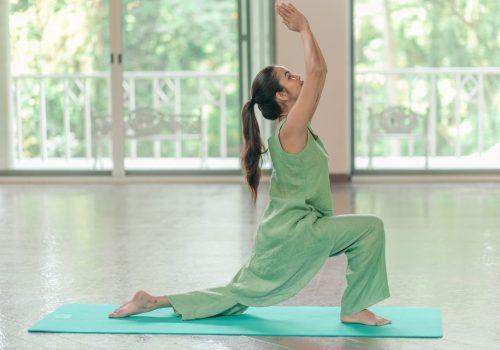
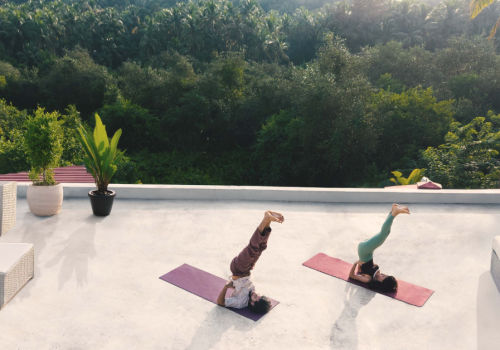
Regular yoga practice may help some people feel more relaxed and physically active. It can also encourage mindful breathing and greater awareness of the body.
Many people find that practising yoga helps them:
- Build a regular daily routine
- Improve flexibility and balance
- Develop greater body awareness
- Practise mindful breathing
- Create dedicated time for relaxation
However, every person’s experience is different. Yoga should be viewed as a supportive wellness practice rather than a treatment for depression or other mental health conditions.
Breathing Practices and Relaxation
Breath awareness is an important part of traditional yoga.
Simple breathing exercises and relaxation techniques may help some people feel calmer during everyday stress. Beginners should learn these practices from a qualified yoga instructor who can recommend techniques appropriate for their experience level.
Advanced breathing practices should only be practised under professional supervision.
Why Personalised Guidance Matters
Every individual has different physical abilities, health conditions, and wellness goals.
For this reason, personalised instruction is important. Qualified yoga teachers can recommend appropriate postures, breathing exercises, and modifications based on the individual’s needs.
Similarly, Ayurvedic practitioners begin with an individual consultation before recommending lifestyle practices or wellness programmes.
Yoga and Ayurveda at Kairali
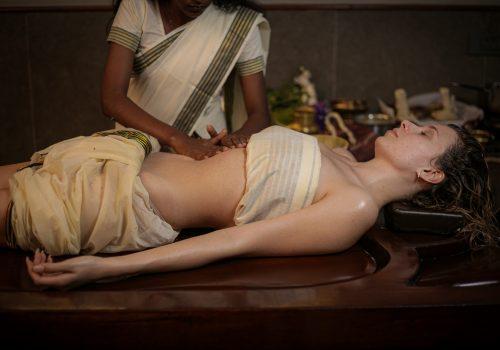
At Kairali Ayurvedic Healing Village, yoga forms part of an integrated wellness programme that may also include Ayurvedic consultations, lifestyle guidance, meditation, and personalised wellness practices.
Programmes are designed to support overall wellbeing and healthy daily habits. They are not intended to replace medical diagnosis, psychological care, or treatment provided by qualified healthcare professionals.
When to Seek Professional Help
Feeling stressed from time to time is a normal part of life. However, persistent sadness, hopelessness, anxiety, or changes in sleep, appetite, or daily functioning should not be ignored.
If you think you may be experiencing depression or another mental health condition, seek advice from a qualified mental health professional or your healthcare provider. Early support can make a meaningful difference.
Yoga and Ayurveda may complement professional care when recommended by your healthcare team, but they should not be used as a substitute for appropriate medical treatment.
A Balanced Approach to Wellbeing
Yoga encourages awareness, patience, and consistency. Ayurveda emphasises healthy daily routines and personalised lifestyle practices.
Together, they can help many people develop habits that support overall wellbeing. Combined with appropriate medical care when needed, these traditional disciplines continue to offer valuable tools for living a healthier and more balanced life.
Website: www.ktahv.com
Call: +91-9555156156
Yoga may help some people manage everyday stress and improve relaxation. Regular practice can also encourage mindful breathing, better body awareness, and healthy daily routines. However, yoga should not replace professional care for depression or other mental health conditions.
Ayurveda considers the body and mind to be closely connected. It encourages a balanced lifestyle through healthy food, daily routines, adequate rest, and personalised wellness practices. These principles aim to support overall wellbeing rather than treat mental health conditions.
No. Yoga is not a replacement for medical or psychological treatment. It may be used as a complementary practice alongside professional care when recommended by a qualified healthcare provider.