
























What makes a healthcare system endure for thousands of years?
Medical knowledge continues to evolve, technologies improve, and our understanding of human biology expands every decade. Yet Ayurveda, a traditional system of health that originated in India, continues to be practised and studied around the world.
Its longevity is not simply a matter of history. It reflects a philosophy that approaches health differently from many modern healthcare models—not by focusing on a single symptom or organ, but by considering the individual as a whole.
This holistic perspective is one of the reasons Ayurveda continues to resonate with people seeking a more balanced approach to wellbeing.
More Than a System of Medicine
The word Ayurveda combines two Sanskrit words: Ayur, meaning life, and Veda, meaning knowledge or science.
Rather than being limited to the treatment of illness, Ayurveda traditionally describes a way of living that seeks to maintain health through balance in everyday life. Food, sleep, movement, emotional wellbeing, relationships, work, and the environment are all considered interconnected.
From this perspective, health is not defined solely by the absence of disease. It is understood as a state in which the body, mind, and daily life function in harmony.
Every Individual Is Different
Perhaps the most distinctive feature of Ayurveda is its emphasis on individuality.
Ayurveda recognises that no two people share exactly the same constitution. This individual blueprint, known as Prakriti, influences characteristics such as body build, digestion, energy levels, sleep patterns, and natural tendencies.
Because of this, Ayurveda does not traditionally recommend identical routines, diets, or therapies for everyone.
Instead, qualified Ayurvedic physicians assess each individual before making recommendations, recognising that what supports one person’s wellbeing may not be appropriate for another.
Understanding Balance Through the Doshas
Ayurveda explains constitutional differences using three functional principles known as Vata, Pitta, and Kapha.
These are traditional Ayurvedic concepts that describe patterns of movement, transformation, and stability within the body and mind. Every individual expresses all three doshas in unique proportions, creating considerable diversity in physical and psychological characteristics.
Rather than classifying people into fixed categories, Ayurvedic practitioners use these concepts to better understand individual patterns and guide personalised recommendations.
Lifestyle as a Foundation of Health
Long before lifestyle medicine became a recognised field, Ayurveda emphasised the importance of daily habits in supporting long-term health.
Regular sleep, balanced nutrition, appropriate physical activity, stress management, seasonal adaptation, and mindful routines all form part of classical Ayurvedic practice.
This emphasis on everyday choices reflects Ayurveda’s belief that health is influenced not only by occasional treatments but also by the habits we repeat throughout our lives.
The Role of Ayurvedic Therapies
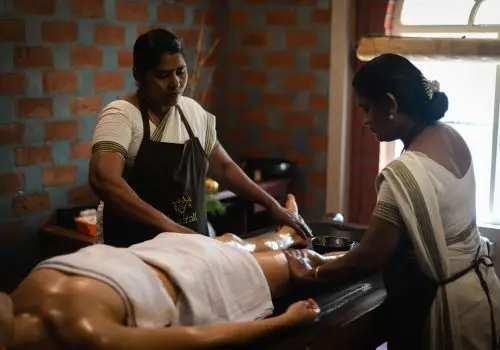
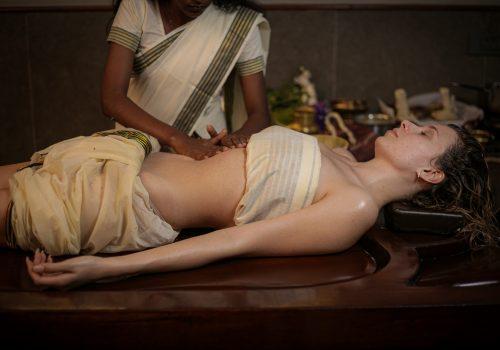
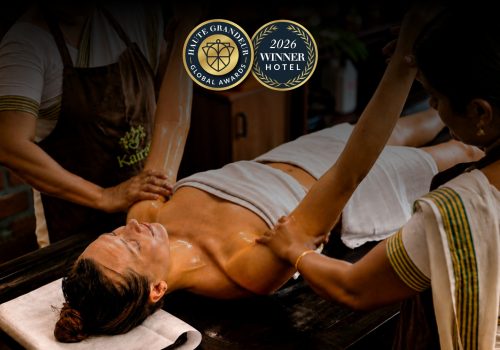
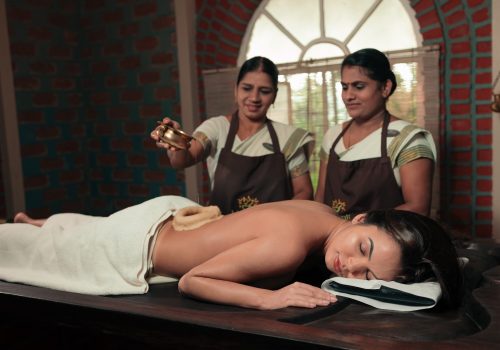
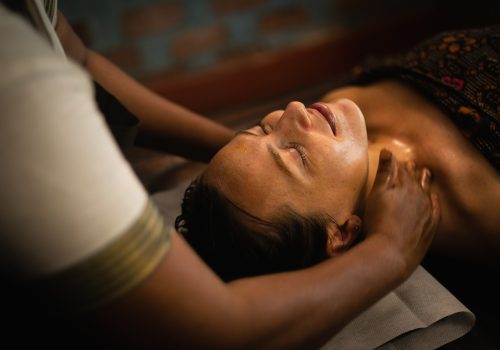
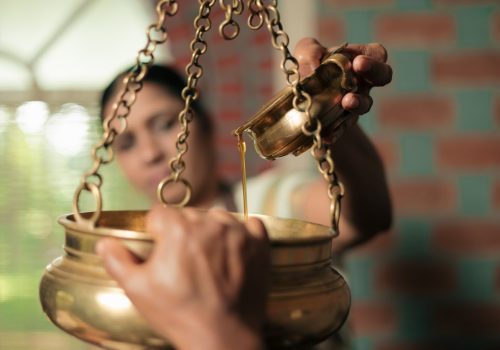
Many people first encounter Ayurveda through therapies such as Abhyanga, Shirodhara, or Panchakarma.
Within classical Ayurveda, however, these therapies are not viewed as standalone wellness experiences. They are traditionally recommended only after a detailed assessment by a qualified Ayurvedic physician and are selected according to the individual’s constitution, health status, and wellness goals.
Alongside these therapies, Ayurvedic care may include dietary guidance, yoga, breathing practices, herbal preparations where appropriate, and recommendations for daily routines.
Herbal formulations used in Ayurveda should always be taken under the guidance of qualified practitioners, particularly by individuals with existing medical conditions or those taking prescription medications.
Prevention Through Daily Living
One of Ayurveda’s enduring contributions is its emphasis on prevention.
Rather than waiting until health concerns develop, Ayurveda encourages people to cultivate habits that support long-term wellbeing. Concepts such as Dinacharya (daily routine) and Ritucharya (seasonal living) illustrate how regular lifestyle practices can become part of maintaining overall health.
This preventive philosophy aligns with growing interest in lifestyle-based approaches that complement conventional healthcare through nutrition, movement, sleep, and stress management.
How Kairali Applies These Principles
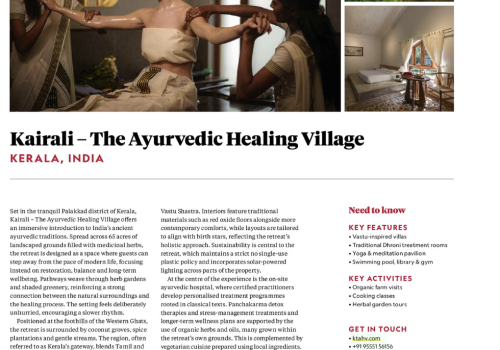
At Kairali, these classical principles guide the design of physician-led wellness programmes.
Every guest begins with a comprehensive consultation conducted by a qualified Ayurvedic physician. Recommendations are personalised based on the individual’s Prakriti, current health status, medical history, lifestyle, and wellness objectives.
Depending on the physician’s assessment, programmes may combine classical Ayurvedic therapies with yoga, personalised nutrition, lifestyle counselling, and guidance that guests can continue after returning home.
This individualised approach reflects Ayurveda’s longstanding belief that meaningful wellbeing begins with understanding the person rather than applying a standard protocol.
A Tradition That Continues to Evolve
Ayurveda has remained relevant not because it has resisted change, but because many of its central ideas continue to resonate today.
The importance of healthy routines, restorative sleep, balanced nutrition, regular movement, stress management, and personalised care are increasingly recognised across many areas of healthcare.
For those interested in exploring Ayurveda, its greatest lesson may be surprisingly simple: lasting wellbeing is rarely achieved through quick solutions. It is built gradually through informed choices, consistent daily habits, and an understanding that every individual is unique.
That holistic philosophy continues to make Ayurveda relevant—not only as one of the world’s oldest traditional systems of health, but also as a practical framework for supporting wellbeing in contemporary life.
Website: www.kairaliproducts.in
Call: +91-9555156156