






















Hosted by Tamil Nadu Tourism, Tamil Nadu Global Tourism Summit brought together leaders from hospitality and traditional health to examine how everyday wellness can be woven into contemporary travel. Among the speakers was Abhilash K. Ramesh of Kairali Ayurvedic Group, who shared evidence-aware, practice-led ways to support travelers—aligning meal timing, movement, and sleep with local climate and itinerary—while clarifying when specialized therapies are appropriate. Streamed live for a wider audience, the session offered practical guidance for tour operators, hoteliers, and visitors across Tamil Nadu and beyond, emphasizing cultural authenticity, safety, and measurable outcomes.
Why “everyday wellness” matters in travel
Travel disrupts meals, sleep, movement, and stress patterns—the very rhythms Ayurveda watches closely. Building simple routines into trips helps maintain balance without turning a holiday into a bootcamp.
What the panel discussed
1) Why “everyday wellness” belongs in travel
- Tourism is no longer only about sightseeing; travelers value sleep quality, digestion, and steady energy during trips.
- Small, portable routines (meal timing, light movement, simple wind-down) are more realistic than intensive programs on short itineraries.
2) Ayurveda as a practical lens for the road
- Agni (digestion): prioritize easy-to-digest foods, especially on flying or transit days.
- Dosha patterns and travel:
- Vata (irregular schedules, flights): ground with warmth and regularity.
- Pitta (heat, deadlines): pace the day and hydrate.
- Kapha (long sitting, heavy meals): lighten portions and add gentle activity.
- Adapt to local climate and cuisine instead of forcing a rigid plan.
3) A traveler’s core routine (simple and portable)
- Meals: anchor two predictable eating windows; aim for the main meal at midday when possible.
- Hydration: sip warm water; avoid heavy, late dinners on consecutive travel days.
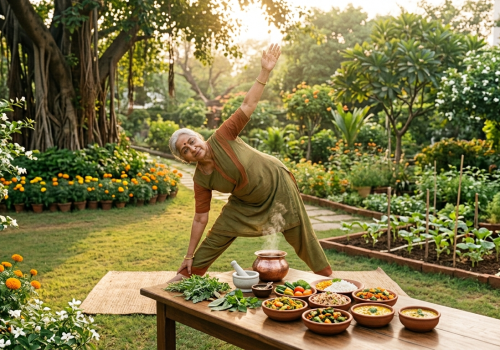
- Movement: short walk + joint rotations every 60–90 minutes during long transit.
- Sleep: morning daylight at destination; short naps (<30 minutes) if needed; screens down before bed.
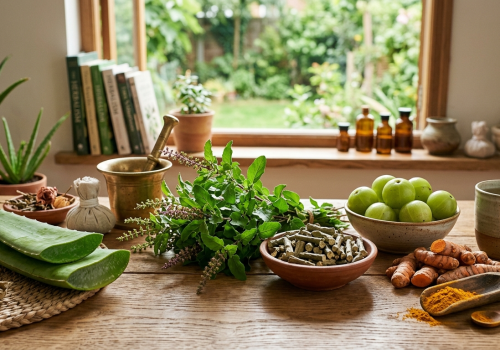
- Comfort kit: warm layer, refillable bottle, light snacks you tolerate, small thermos for warm water/herbal infusions.
4) What responsible wellness looks like for hotels and operators
- Clear labeling of lighter, warm meal options and flexible early-dinner sets.
- Safe access to hot water for guests who prefer warm beverages.
- Quiet, device-lite corners for evening wind-down.
- Wayfinding for 10-minute walking routes, garden paths, or stairs.
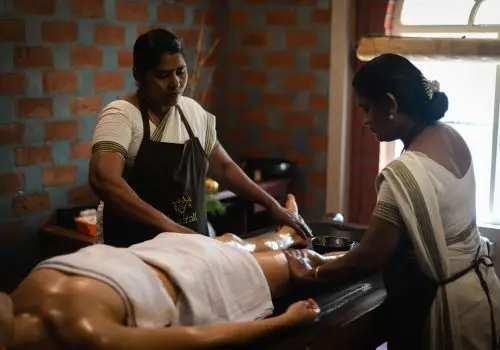
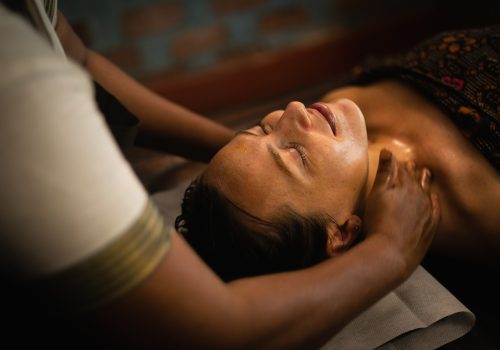
- If offering massages or traditional therapies: screening, hygiene, and referral protocols; no one-size-fits-all “detox” promises.
5) Safety, ethics, and cultural respect
- Screen for red flags (pregnancy, fever, bleeding disorders, acute illness, recent surgery, complex medical conditions).
- Disclose medications/supplements before using herbs or intensive therapies.
- Present Ayurveda with context; avoid sensational claims.
- Align with local regulations and data privacy norms (e.g., AYUSH context in India; equivalents elsewhere).
6) Clarifying common myths
- “Panchakarma is a travel perk.” It is a medical protocol requiring assessment and preparation; not a casual add-on for short trips.
- “Dosha = personality label.” Doshas are functional patterns that change with season, schedule, food, and stress; they guide personalization, not fixed identities.
- “Wellness on holiday must be intense.” Consistency beats intensity; a few non-negotiables deliver most benefits.
7) Collaboration across the tourism ecosystem
- Hotels, guides, and wellness providers can coordinate menus, movement micro-options, and quiet spaces.
- Regional storytelling: highlight local ingredients, seasons, and cultural practices to keep wellness authentic and place-specific.
- Training front-line staff to answer simple wellness questions and flag when professional referral is appropriate.
Conclusion
The panel’s core message was simple: wellness travels best when it’s woven into ordinary choices—how we eat, move, and wind down—rather than added as an intensive program. This practical, safety-first approach is the same model long used by Kairali Ayurvedic Group: start with routine and diet, personalize to context (season, itinerary, climate), set clear boundaries for when specialized therapies are appropriate, and track simple outcomes like sleep and digestion over time. Travelers and industry partners can use these principles anywhere; Kairali’s work simply illustrates how consistency and cultural respect turn everyday habits into sustainable well-being.
Watch the video: https://www.youtube.com/live/0WdU5l0hDLU