













Goa is remarkably easy to turn into a checklist.
A beach before breakfast. A fort by noon. Lunch somewhere recommended online. Another beach for sunset. Dinner, drinks, repeat.
South Goa rewards a different approach.
Its appeal is not limited to Palolem, Agonda or the familiar photographs of the Arabian Sea. Move inland and the landscape changes into village roads, churches, older houses, local markets and forested stretches. Goa’s official tourism resources similarly present the state through heritage, wildlife, nature, food and culture alongside its coastline.
The more interesting way to experience it may therefore be to schedule less.
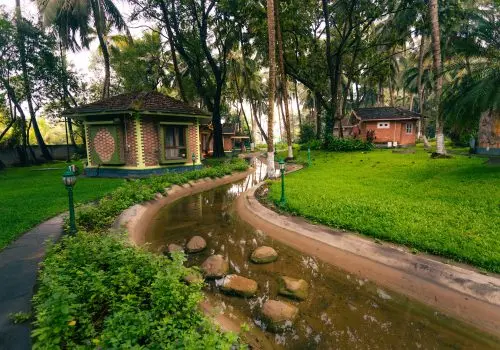
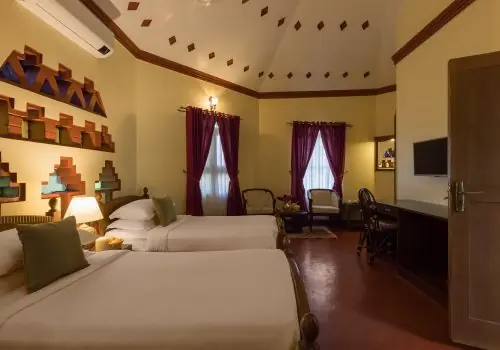
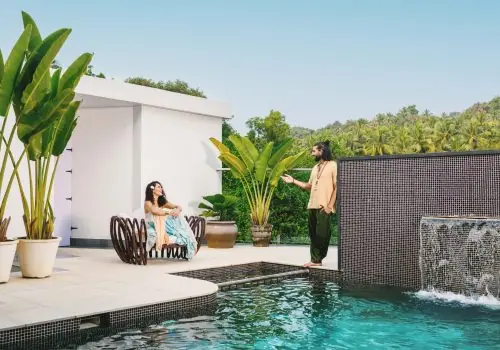
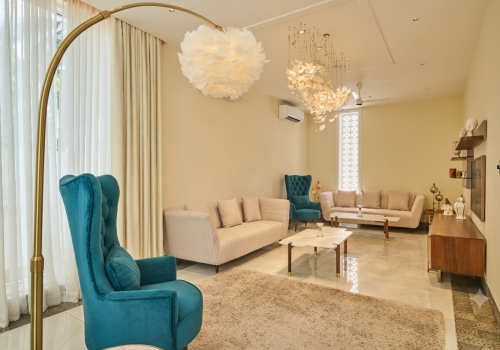
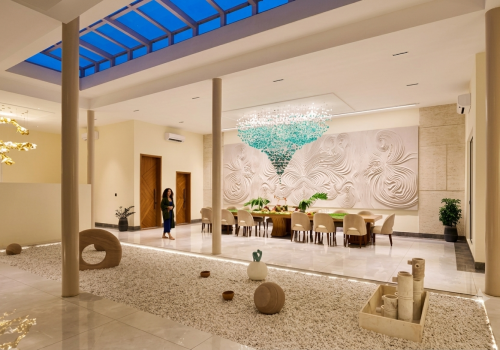
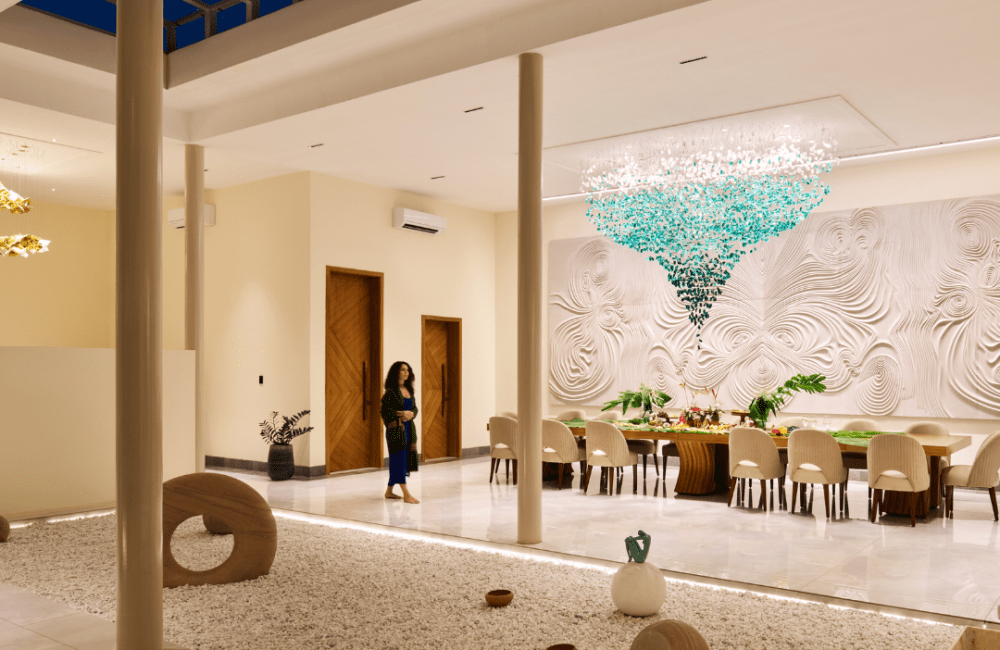
Villa Raag, Kairali Ayurvedic Group’s luxury wellness property in Goa, offers a private base for precisely that kind of stay.
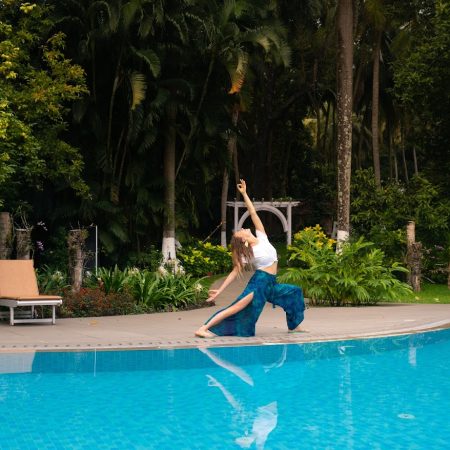
Rather than treating the villa as somewhere to sleep between excursions, it can become part of the rhythm of the trip: breakfast without an alarm, one carefully chosen outing, an afternoon back at the villa, and an evening that does not need another reservation.
Why South Goa Feels Different
The distinction between North and South Goa is often exaggerated into a simple formula: the north is busy; the south is quiet.
Reality is more nuanced.
Both districts contain active tourism centres as well as quieter areas. But South Goa does offer travellers access to beaches such as Palolem and Agonda alongside heritage settlements, rural landscapes and protected natural areas. India’s official tourism portal specifically identifies Palolem and Agonda among Goa’s more serene coastal destinations.
That variety makes South Goa particularly suited to a slower itinerary.
A morning can belong to the sea.
An afternoon can be spent inland.
And sometimes the most sensible plan is to go nowhere at all.
For couples, families or small groups, staying in a private villa makes that flexibility easier. There is no pressure to organise every day around hotel meal timings or a predetermined resort programme.
Villa Raag as a Base, Not an Itinerary
There are two ways to think about accommodation on holiday.
One is functional: somewhere comfortable to sleep before going out again.
The other is to choose somewhere you would actually be content to spend part of the day.
Villa Raag fits the second model.
The attraction of a private villa is space and autonomy. Breakfast can extend longer than planned. Someone can read while someone else swims. A family does not have to agree unanimously about what happens next.
Those apparently small freedoms change the experience of travel.
They also make it easier to resist one of tourism’s stranger habits: travelling somewhere beautiful and then spending the entire visit rushing between attractions.
A Three-Day South Goa Itinerary That Leaves Space
The most enjoyable itinerary is not necessarily the one with the most stops.
For three days in South Goa, a useful rule is simple:
one principal area each day, with enough time left to respond to what you find there.
Day One: Palolem, Agonda and the Coast
Begin with the coastline.
Palolem is one of South Goa’s best-known beaches, and its crescent-shaped bay makes it an obvious first stop. It is popular rather than undiscovered, so an earlier visit can make sense for travellers who prefer a quieter walk.
From there, continue towards Agonda.
Agonda has also become well known, but its long beach still offers a different pace from Goa’s more intensive tourism belts. Both Palolem and Agonda are highlighted in India’s official tourism information as important South Goa beach destinations.
There is little advantage in trying to squeeze five beaches into the same day.
Choose one for walking.
Choose another for lunch or time by the water.
Let the rest remain unvisited.
If conditions and timing allow, the wider coastal route can also include Cabo de Rama, which appears in Goa’s tourism planning material as one of the state’s established visitor locations.
Then return.
A villa evening after a day along the coast does not require another programme. Dinner, a swim or simply sitting outdoors may be enough.
Day Two: Look Inland
Goa makes more sense once you stop treating it exclusively as a beach destination.
For the second day, move inland.
Margao, one of South Goa’s principal urban centres, offers markets, neighbourhood streets and everyday commercial life that feel very different from a resort enclave.
From there, the route can extend towards villages and heritage areas such as Chandor, depending on opening times and what is accessible on the day.
This is the kind of excursion where hiring a knowledgeable local driver or guide may add more than constructing the journey entirely through search results.
Look at houses.
Stop at a bakery.
Have lunch somewhere because it looks interesting rather than because it appeared on a “top ten” list.
Try local Goan bread if you find it fresh.
The point of the day is not to collect cultural attractions.
It is to see the Goa in which people actually live.
Food Is Part of Exploring South Goa
Goa’s food culture deserves its own time rather than being treated as a gap between sightseeing.
Local bread traditions, seafood, sweets, cafés, home-style meals and bakeries all reveal something about the region’s layered history.
Poi and other Goan breads are worth seeking out from local bakeries. Bebinca remains one of the state’s best-known sweets. Seafood changes with season and availability.
Rather than deciding in advance that every meal must be “famous”, leave room for recommendations from people who know the area.
This is where staying somewhere with local support becomes useful.
A good recommendation can save a traveller from driving across Goa simply because an algorithm ranked one restaurant above another.
Day Three: Towards the Forested Interior
After two days around beaches, towns and villages, the third can move towards Goa’s greener interior.
Goa’s tourism resources highlight wildlife, forests, waterfalls and other nature experiences as an important part of the state’s visitor landscape.
The Netravali region in South Goa provides one possible direction for a nature-focused day.
This kind of excursion should remain flexible.
Waterfalls, trails and forest access can be highly seasonal. Monsoon conditions, road access, local restrictions and weather can all change what is appropriate on a particular day.
So check conditions locally before leaving rather than relying on an itinerary written months earlier.
Wear footwear suited to the route.
Carry water.
And do not organise the day so tightly that a delayed lunch feels like a crisis.
Nature rarely respects itineraries.
The Case for a Fourth Day With Nothing Planned
If the stay allows, leave one day almost entirely empty.
This may sound wasteful.
It rarely feels that way once the day arrives.
Wake without deciding where to go.
Have breakfast slowly.
Swim.
Read.
Go out for lunch if you feel like it.
Return in the afternoon.
Perhaps take a short drive around sunset.
A holiday does not become more successful simply because more locations have been visited.
Sometimes the luxury is having somewhere pleasant enough that leaving it is optional.
Why Villas Work Well for Families and Small Groups
Group travel creates a logistical problem that hotels do not always solve.
Not everyone wakes at the same time.
Children may want to swim while grandparents want quiet.
One person may need to answer a work call.
Someone else may want an afternoon nap.
A private villa gives those competing rhythms more room.
Shared living and dining areas allow everyone to come together without requiring them to spend the entire day doing the same thing.
For longer stays, access to basic kitchen and dining facilities can be equally valuable. Not every meal needs to become an outing.
This matters especially for families, who often discover that convenience is one of the most meaningful forms of luxury.
What “Luxury Villa” Should Actually Mean
The phrase luxury villa in Goa has become broad enough to describe almost anything with a pool and professionally photographed bedrooms.
A better way to choose accommodation is to look at practical questions.
How private is the property?
Are the bedrooms designed for comfortable sleep?
Is there somewhere genuinely pleasant to sit outdoors?
Can the group eat together?
How is housekeeping handled?
What happens if there is a maintenance problem?
Is the location sensible for the places you actually want to visit?
Can transfers and local transport be arranged reliably?
These considerations matter much more after arrival than decorative language on a booking page.
Luxury is often less about adding things and more about removing friction.
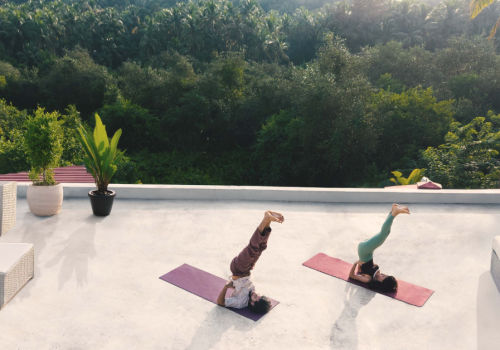
Slow Travel Is Not About Doing Nothing
“Slow travel” can sound like another fashionable label.
At its most useful, it simply means allowing enough time to understand where you are.
Rather than travelling across Goa to reproduce somebody else’s itinerary, spend longer within one part of it.
Walk.
Eat locally.
Notice the architecture.
Have conversations.
Return somewhere twice.
Leave a beach because it is crowded rather than deciding you must stay because it appeared on the schedule.
This is particularly appropriate in South Goa, where the pleasure often lies in the movement between destinations rather than only in the landmarks themselves.
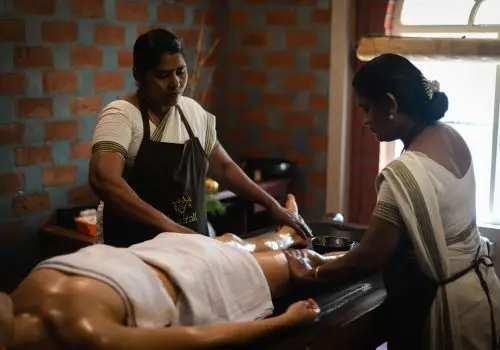
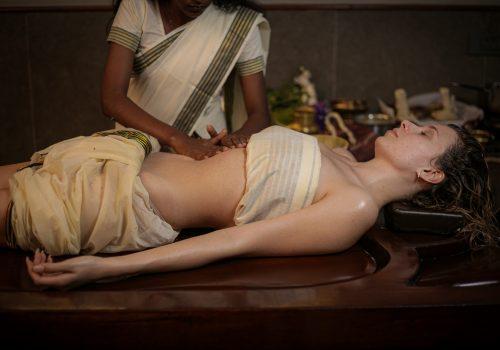
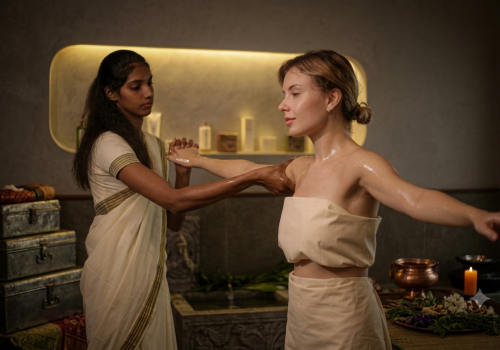
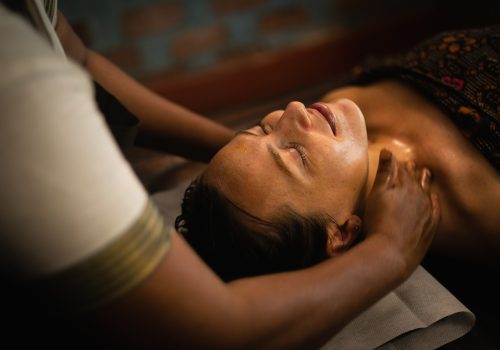
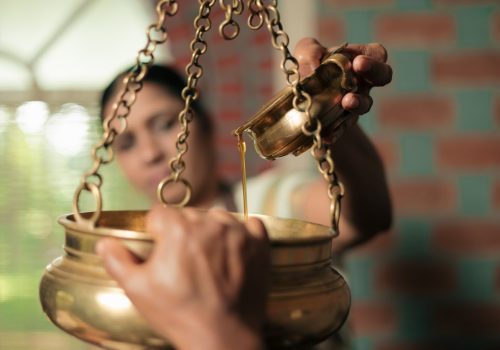
What Ayurveda Has to Do With This
Why discuss a Goa villa on an Ayurveda publication?
Not because every holiday needs to be turned into a wellness programme.
Villa Raag and Kairali’s clinical Ayurvedic property in Kerala serve different purposes. A private stay in Goa should not be dressed up as Panchakarma simply because it sits within the same group.
But there is a broader idea familiar to Ayurveda that is relevant here: the quality of a day is shaped by its rhythm.
When we eat.
When we rest.
How much stimulation we accumulate.
Whether physical activity and recovery remain in proportion.
Whether there is any space between one demand and the next.
Ayurveda discusses these questions through concepts such as dinacaryā (daily routine), but one does not need to turn a holiday into a clinical protocol to recognise their relevance.
Travel can become exhausting because we reproduce our working lives inside it.
Alarm.
Schedule.
Traffic.
Deadline.
Photos.
Next stop.
Dinner reservation.
Repeat.
A slower villa stay offers a chance to interrupt that pattern.
Not permanently.
Just long enough to notice it.
Use the Villa Team for the Things That Create Friction
Local support is most useful when it removes the uninteresting work of travel.
Airport transfers.
Transport recommendations.
Groceries.
Restaurant suggestions.
Information about what is open.
Help planning a day without turning it into an organised excursion.
Where current Villa Raag services allow, these are the kinds of arrangements worth confirming before arrival.
The distinction is important.
Good hospitality should make independent travel easier.
It does not need to direct every hour.
South Goa Changes With the Season
No South Goa itinerary should be published without acknowledging seasonality.
A January beach day and an August day during the monsoon are entirely different experiences.
Sea conditions vary.
Forest routes vary.
Waterfalls change.
Some businesses operate seasonally.
Rain may turn a carefully organised outdoor day into something else altogether.
That is not necessarily a problem.
It simply means travellers should treat itineraries as frameworks rather than promises.
Check current local conditions, particularly before nature excursions or water activities.
The best travel plan is often the one that can survive being changed.
The Better Question Is Not “What Should We See?”
Visitors often arrive asking for the essential list.
What must we see?
What are the top five beaches?
Which restaurant cannot be missed?
There is another question worth trying:
What kind of day do we want to have?
If the answer is a quiet coastal day, choose one or two beaches.
If the answer is culture and food, go inland.
If the answer is nature, reserve a day for the forested interior.
If the answer is rest, stay at the villa.
This turns the itinerary around.
Instead of forcing your holiday to conform to a list of destinations, choose destinations that support the way you want the day to feel.
Goa Without the Rush
South Goa does not need much embellishment.
There is the sea.
There are villages and towns beyond it.
There are heritage landscapes, local food traditions and a greener interior that many short visits never reach.
The mistake is assuming they all need to be experienced at once.
Villa Raag offers a base for a different kind of trip: go somewhere when there is somewhere worth going, and stay in when there is not.
Have a long breakfast.
Choose one beach rather than four.
Spend an afternoon inland.
Return before the day becomes exhausting.
Leave an entire morning unclaimed.
The freedom of a private villa is not simply privacy.
It is the ability to stop organising the holiday around everything you are supposed to do.
And in South Goa, that may be the better way to see more.
Staying at Villa Raag
Villa Raag is Kairali Ayurvedic Group’s luxury wellness property in Goa. Guests considering a stay can explore the property and confirm current amenities, services and availability directly through Villa Raag.
Website: www.villaraag.com
Call: +91-9555156156