






















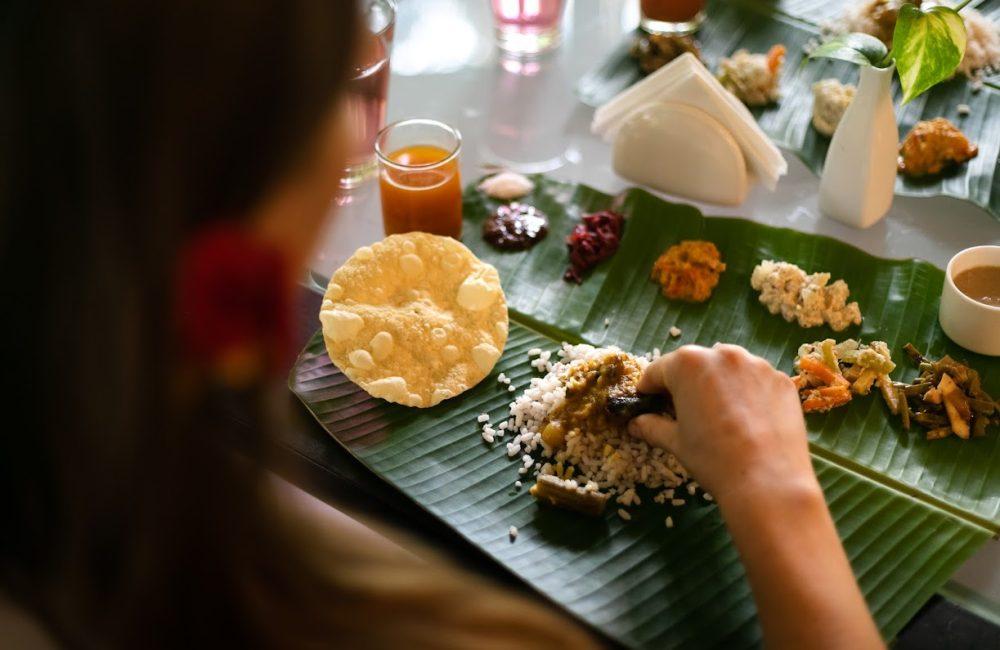
If doctors have told that you must stop eating rice, roti or dosa in order to keep stable blood sugar levels, relax! You do not have to eliminate these foods from your diet! At Kairali – The Ayurvedic healing village (located in Palakkad, Kerala), we teach you a simpler method of creating meals: pairing and sequencing your foods. When you start with a high fibre vegetable or salad, add a good quality protein, and then finish off with your favourite carbohydrate source (in this case you are still able to eat rice, roti or dosa). You can enjoy the taste of Indian cuisine, while maintaining a more stable glucose level in the body. All of these ideas fit within the framework of Ayurveda with its emphasis on balancing the body’s digestive fire, or Agni, as well as the modern nutrition philosophy that encourages consuming more fibre, proteins, healthy fats and less refined sugars.
Condition-wise guidance we target at Kairali
1) Type 2 diabetes & prediabetes
- Aim: calmer post-meal glucose and steady energy.
- Plating: veg first (kachumber/sautéed veg), then dal/rajma/paneer/eggs/fish, then 1 ladle rice or 1–2 phulkas.
- Swaps: hand-pounded/basmati rice on dal days; millet rotis some days.
- Spices: methi, jeera, turmeric, ginger (as tolerated).
- Lifestyle: brief post-meal walk; consistent sleep; avoid “naked carbs” (idli, banana, biscuits alone).
2) PCOS & insulin resistance
- Aim: insulin sensitivity + cycle comfort.
- Protein focus: sprouts, paneer, eggs/fish as advised; add seeds (flax/sesame) in chutneys.
- Carb timing: larger share at lunch, lighter at dinner.
- Stress care: restorative yoga + breathwork; caffeine moderation.
3) Hypertension & heart health
- Aim: calm nervous system + sensible sodium.
- Cooking: grill/stew over deep-fry; use herbs/spices to reduce salt load.
- Fats: ghee in teaspoons, avoid repeated-use oils; add nuts in small portions.
- Extras: beet/cucumber salads first; post-meal stroll to smooth BP swings.
4) Weight management & fatty liver support
- Aim: satiety without deprivation.
- Plating: non-starchy veg to start; protein at every meal; rice/roti last and modest.
- Week plan: grain rotation (hand-pounded rice → basmati → millet roti → idli/dosa day with sambar).
- Activity: NEAT focus—walks after meals, light morning movement.
5) IBS/acid reflux & general gut comfort
- Aim: reduce heaviness/bloat; respect Agni.
- Gentle options: moong dal/khichdi, well-cooked veg; avoid vinegar/lemon if you’re acidity-prone.
- Spices: jeera, ajwain, ginger—small amounts.
- Pacing: warm water sips; don’t chug liquids with meals.
6) Joint pain/osteoarthritis (lifestyle support)
- Aim: lower mealtime inflammation load.
- Kitchen cues: turmeric + black pepper, sesame, leafy veg; cut frequent deep-fried snacks.
- Structure: veg→protein→carb order to avoid post-meal slump that reduces movement.
Important: All plans at Kairali are personalized by our Ayurvedic physicians and coordinated with your existing medical care. Nutrition guidance here is educational—not a cure or replacement for professional treatment.”
Why pairing works:
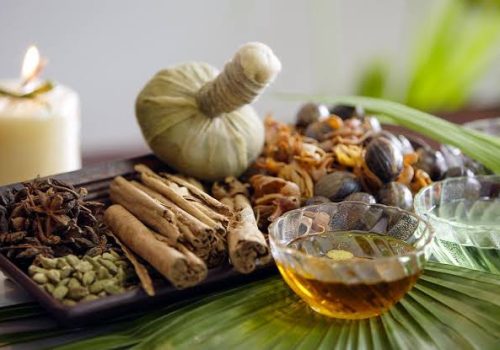
The reason for the success of pairing foods is because when carbohydrates digest alone they break down quickly which leads to quick spikes in your blood glucose levels. However, when you eat carbohydrates in combination with fat(healthy fats) fibre and protein (as researched) the digestion process is slowed down and energy levels remain even. The same principles apply to Ayurveda where Sattvic meals are optimized through the mindful use of spices ( ginger, jeera, methi ) in addition to rhythm during meals.
How Kairali operationalizes it:
Order of Plates
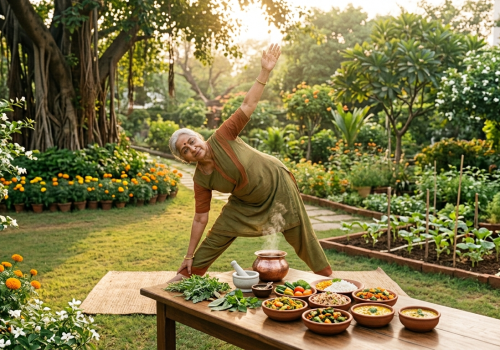
Typically customers move through their orders by way of salads/other vegetables, followed subsequently by protein, and finally completing the meal with carbohydrates like breads/rices. Therefore, a guest begins their meal with a small salad or sautéed vegetables; followed by either dal/paneer/eggs/fish; at last consuming either rice/roti/dosa all of which can now also be accompanied by extra sources of protein & fiber.
Kitchen Pairings
- Dal, along with hand-pounded rice; usually accompanied by a vegetable starter along with ghee (typically around 1 tablespoon/ghee per serve) can be combined in many ways into the meals’ entrees.
- In addition to the ghee method, a couple of other pairing methods would be:
- Sambhar + Chutney (do not eat idli/session with just one food type; eat something along with it).
- Parathas along with curd; +seasonal vegetables. Poha is served with peanuts/coconut and a side of curd + lemon.
Lifestyle amplifiers:
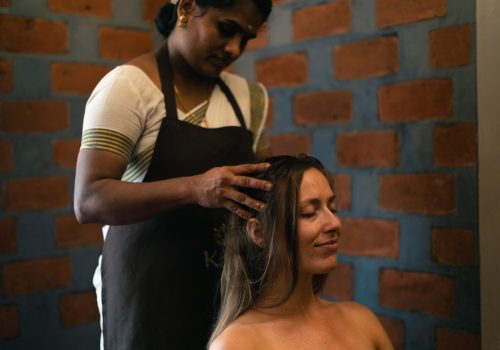
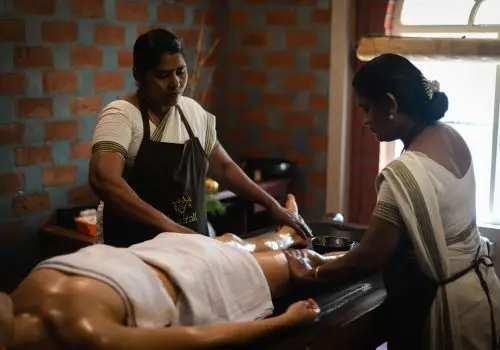
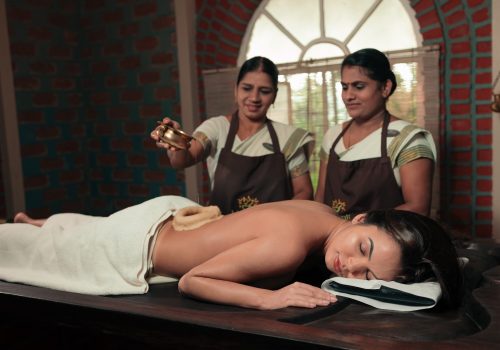
A post-meal walk of approximately 10-15 minute, gentle yoga/breath work, consistent sleep timing and treatments like Abhyanga is helpful to alleviate stress and create rhythm in your daily life.
Personalization
Kairali will personalize each meal according to your prakriti(Vata/Pitta/Kapha), gut comfort level/goals, & your medical scenario.
Sample “Kairali Plate” to prepare at home:
Kachumber or sautéed vegetables first should be on your list. Followed by rajma/moong dal/paneer; then finish with 1-2 phulkas or a ladle of rice. If appropriate, add a teaspoon of ghee and/or squeeze of lemon.
Dinacharya timing that amplifies results
- Breakfast (7–9 am): Light to moderate; always start with veg.
- Main meal (12–2 pm): Largest plate here; digestion is strongest.
- Dinner (6:30–8 pm): Lighter; same sequence; cut portions by ~20–30%.
Gentle lifestyle reinforcements
- Sleep window: Aim for a consistent 7–8 hours; late dinners push glucose higher for many people.
- Stress check: Two minutes of slow nasal breathing before meals improves mindful chewing and pace.
- Hydration: Warm water or jeera-ajwain water sips through the day; avoid chugging with meals.
Conclusion
You don’t need food fear to support healthy glucose—you need sequence, pairing, and rhythm. Kairali turns these principles into delicious, seasonal, sattvic meals and a lifestyle you can sustain at home. Ready to experience it? Book the 3-Day Reset or 7-Day Metabolic Balance at Kairali – The Ayurvedic Healing Village and leave with a personalized plate map, simple recipes, and routines that feel as good as they taste.
Website: www.ktahv.com
Call: +91-9555156156