














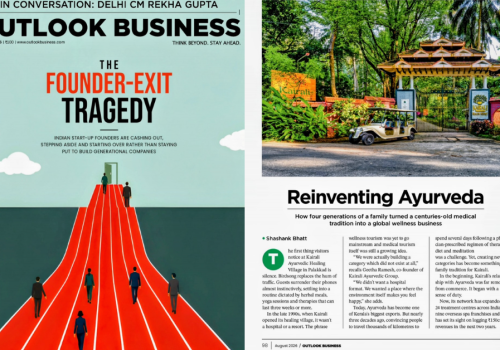



Ayurveda can be difficult to understand from the outside. Many people first encounter it through an oil massage, a herbal product, or a yoga session. But Ayurveda is not built around one treatment. It is a system that looks at daily routine, food, sleep, digestion, movement, and individual health together.
That broader experience came through clearly in a Travel + Leisure India feature by Gustasp and Jeroo Irani after their stay at Kairali, The Ayurvedic Healing Village in Palakkad, Kerala.
The writers arrived expecting an Ayurvedic retreat. What they found was a different rhythm of daily life.
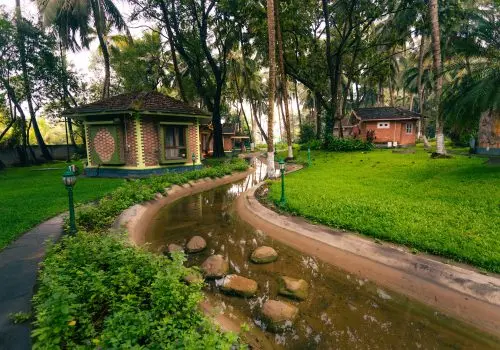
Surrounded by greenery, farmland, and herbal gardens, the property offered a quiet setting for morning yoga, Ayurvedic consultations, therapies, vegetarian meals, meditation, and rest. Over a few days, the writers began to see that the experience was not only about what happened inside the treatment room.
It was also about how the day was organised.
Ayurveda begins with the individual
One of the most important parts of the stay came before any therapy began.
The writers first met an Ayurvedic physician for an assessment. The consultation included a general health review and nāḍī parīkṣā, or pulse examination. Treatments were recommended only after this assessment.
This is an important part of Ayurvedic care.
At Kairali, therapies are not meant to be selected simply because they are popular or relaxing. The physician considers the person’s health, digestion, sleep, habits, constitution, and current concerns before deciding what may be suitable.
This also means that two guests staying at the same property may follow very different programmes.
The setting may be shared. The treatment plan is individual.
The writers were also introduced to the Ayurvedic idea of Vāta, Pitta, and Kapha, the three doṣas. These terms are often simplified in popular wellness culture, but in Ayurveda they form part of a wider system used to understand constitution and patterns of imbalance.
A residential stay gives guests the chance to learn these concepts in context, rather than through a quick quiz or a general description.
Food is part of the programme
Food was another important part of the Travel + Leisure experience.
The writers described simple vegetarian meals, including soups, fruits, vegetable dishes, rotis, and dosas. But the focus was not only on what was served.
Ayurveda also pays attention to when food is eaten, how it is prepared, how well it is digested, and how the individual responds to it.
During a residential stay, meals are taken at regular times. There is less rushing and fewer distractions. Guests have more opportunity to notice how different foods affect appetite, comfort, and digestion.
This can be one of the most practical lessons of the stay.
Instead of searching for one perfect “Ayurvedic diet,” guests begin to understand that food choices need to be viewed in relation to the individual.
The role of yoga, meditation, and routine
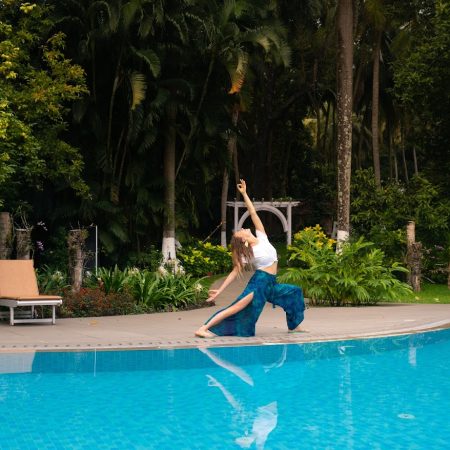
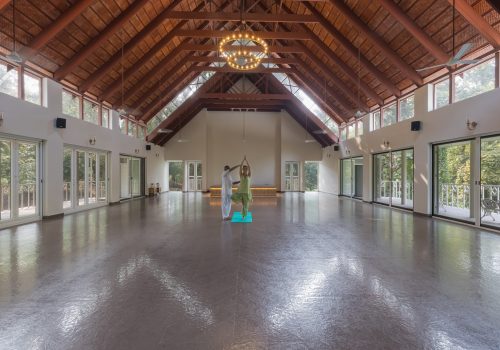
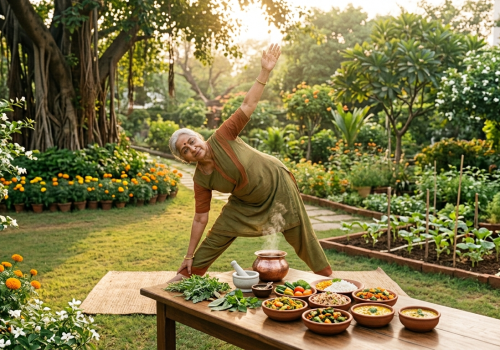
Morning yoga and evening meditation were also part of the writers’ experience.
Yoga and Ayurveda are closely connected traditions, but they are not the same system. Within an Ayurvedic programme, yoga, breathing practices, and meditation may be included as supportive activities depending on the individual.
Their role is not to promise a specific health result.
They may simply help create a more regular and attentive daily routine.
At Kairali, the writers experienced yoga in the morning, meals at set times, therapies during the day, and quieter periods in the evening.
That structure may seem simple, but it is one of the clearest ways to understand Ayurveda.
The system places importance on how a person lives each day, not only on the treatment they receive.
Understanding therapies in context
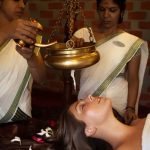
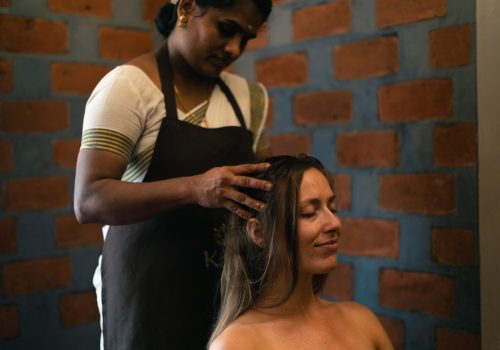
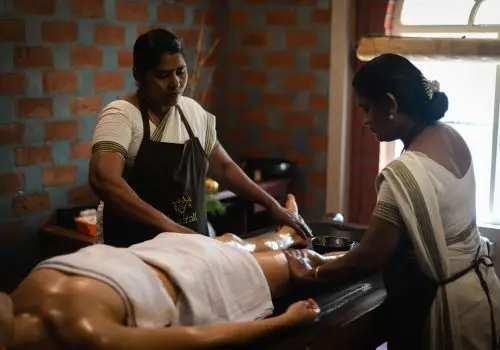
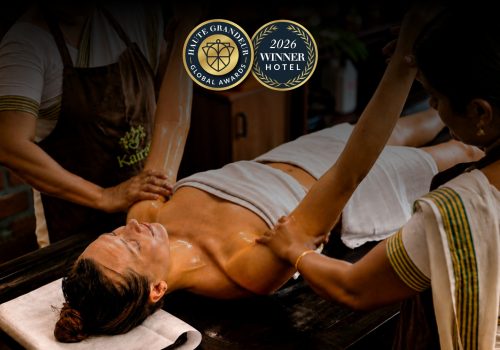
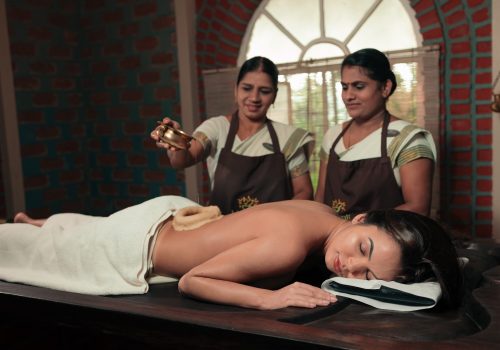
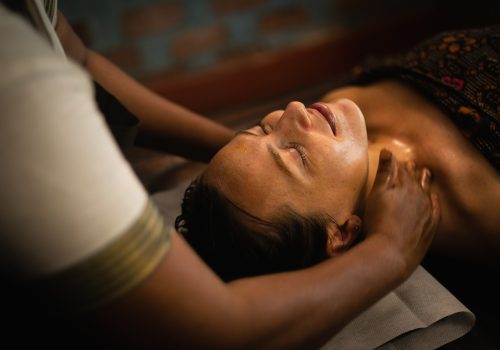
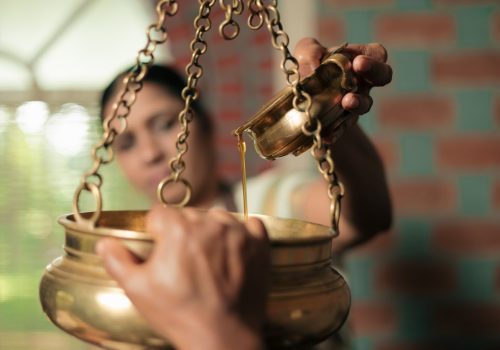
The writers also experienced Ayurvedic therapies during their stay, including oil-based treatments and Śirodhāra, in which a steady stream of liquid is applied over the forehead.
The original feature described these experiences in a very personal and enthusiastic way.
For someone trying to understand Ayurveda, however, the more important lesson is that the therapy itself is only one part of the process.
The useful questions are not simply, “What treatment did they receive?” or “How did it feel?”
The better questions are: Why was the therapy recommended? What did the physician consider before choosing it? How did it fit into the rest of the programme?
That is what distinguishes physician-led Ayurveda from choosing treatments from a spa menu.
Why the setting matters
The physical environment also made a strong impression on the writers.
They described the trees, herbal gardens, farmland, Kerala-style architecture, and the quieter pace of the property.
These surroundings are not a treatment in themselves, but they can make it easier to follow a regular routine.
Away from traffic, work schedules, late meals, and constant screen time, guests have more space to notice how they eat, sleep, move, and rest.
In this sense, the environment supports the programme by making daily habits easier to observe.
Ayurveda is more than a retreat experience
During their visit, the writers also spoke with Kairali co-founder Gita Ramesh about how attitudes towards Ayurveda have changed over the years.
Kairali Ayurvedic Group was founded in 1989 by K.V. Ramesh and Gita Ramesh, building on a multi-generational Ayurvedic lineage in the Ramesh family.
Since then, Ayurveda has become much more visible around the world.
Today, it appears in spas, wellness retreats, beauty products, supplements, and social media. Greater awareness has introduced more people to Ayurveda, but it has also made the system easier to oversimplify.
An oil massage alone is not Ayurveda.
Neither is yoga, herbal tea, or vegetarian food.
Ayurveda is better understood through the way these elements are brought together around the individual.
That is what a residential setting can help people see.
A short stay cannot make someone an expert in Ayurveda. But it can make the system easier to understand in practice.
Guests can meet physicians, experience therapies in context, observe how food is planned, follow a more regular routine, and see how different parts of the day connect.
That may be the most useful takeaway from the Travel + Leisure India visit to Kairali.
The writers arrived to experience an Ayurvedic retreat.
What they discovered was that understanding Ayurveda begins not with one treatment, but with the way the whole day is lived.
Source :- https://www.travelandleisureindia.in/featured/kairali-in-kerala/