






























Every January, millions of people promise themselves the same thing: This is the year I’ll lose weight.
Gym memberships soar, diets trend on social media, and meal plans promise dramatic transformations in just a few weeks. Yet, for many people, the cycle repeats itself year after year.
Why is maintaining a healthy weight so difficult?
Modern nutrition recognises that body weight is influenced by a complex interaction of genetics, metabolism, hormones, sleep, stress, physical activity, and eating habits. Ayurveda has long approached the question from an equally holistic perspective. Rather than asking, “How can I lose weight quickly?” it asks a more fundamental question:
What does this person’s body need to regain balance?
That shift in perspective lies at the heart of Ayurveda.
There Is No ‘Ideal’ Body Type
One of Ayurveda’s most distinctive ideas is that no two people are exactly alike.
Every individual is born with a unique constitutional makeup, known as Prakriti. This constitutional blueprint influences physical characteristics, digestion, energy levels, sleep patterns, and many other aspects of health.
Some people naturally have a lighter frame, while others have broader builds or greater muscle mass. Ayurveda does not suggest that everyone should aim for the same body shape or weight. Instead, it encourages each individual to work towards a healthy balance that is appropriate for their own constitution.
This emphasis on individuality stands in contrast to many modern weight-loss programmes, which often apply identical recommendations to everyone.
Understanding the Doshas
Ayurveda explains individual differences through three functional principles known as Vata, Pitta, and Kapha. These are not medical diagnoses but traditional Ayurvedic concepts used to understand patterns within the body and mind.
- Vata is associated with movement and communication throughout the body.
- Pitta is linked with transformation, including digestion and metabolism.
- Kapha is associated with structure, stability, and nourishment.
Every person expresses all three doshas in different proportions. Ayurveda seeks to understand these individual patterns rather than placing people into rigid categories.
Qualified Ayurvedic physicians consider these constitutional characteristics alongside lifestyle, digestion, sleep, and overall health before making personalised recommendations.
Why Lifestyle Matters
Healthy body composition is influenced by far more than food alone.
Irregular meals, insufficient sleep, prolonged stress, sedentary work, and inconsistent daily routines can all affect overall wellbeing. Ayurveda therefore places considerable emphasis on establishing healthy rhythms throughout the day.
Regular mealtimes, mindful eating, appropriate physical activity, adequate sleep, and periods of rest are all regarded as important foundations of health. Rather than focusing on restrictive diets, Ayurveda encourages sustainable habits that can be maintained over time.
This long-term perspective reflects one of Ayurveda’s central principles: meaningful change happens gradually through consistent daily choices.
Food Is Personal
Ayurveda does not promote a universal eating plan.
Instead, dietary recommendations are adapted to the individual’s constitution, digestive capacity, age, environment, seasonal changes, and overall health. Two people with similar goals may receive different nutritional guidance because their constitutions and lifestyles differ.
This personalised approach is one reason why consultation with a qualified Ayurvedic physician remains an important part of classical Ayurvedic practice.
Movement That Matches the Individual
Exercise is another area where Ayurveda favours personalisation over rigid prescriptions.
Someone with a naturally energetic constitution may thrive on vigorous physical activity, while another person may benefit more from moderate exercise combined with restorative practices such as yoga.
The objective is not simply to burn calories but to cultivate strength, flexibility, endurance, and balance in a way that supports long-term wellbeing.
Where Do Ayurvedic Therapies Fit In?
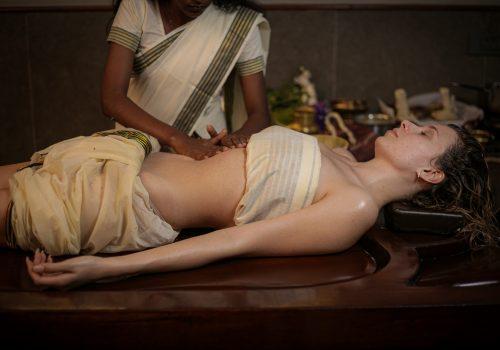
Many people associate Ayurveda with therapies such as Abhyanga, Udwartana, or Panchakarma. These classical procedures have traditionally formed part of personalised Ayurvedic care, but they are never selected simply because someone wishes to lose weight.
Within Ayurveda, therapies are prescribed only after a physician has assessed the individual’s constitution, current state of health, lifestyle, and wellness goals.
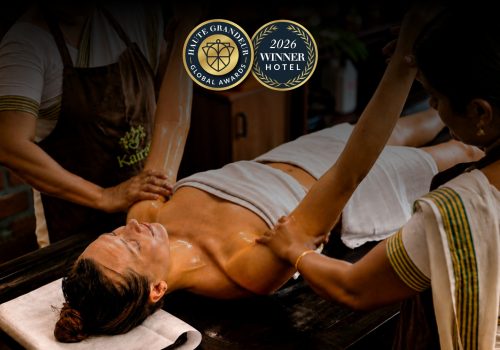
For example, Udwartana is a traditional herbal powder massage that may be recommended in specific circumstances as part of a broader physician-guided wellness programme. Similarly, Abhyanga is often incorporated to support relaxation and overall wellbeing, while Panchakarma is considered only when clinically appropriate and under the supervision of qualified Ayurvedic physicians.
These therapies are most effective when integrated with dietary guidance, appropriate movement, adequate rest, and sustainable lifestyle practices rather than viewed as standalone solutions.
How Kairali Approaches Personalised Wellness
At Kairali Ayurvedic Centre, every wellness programme begins with a detailed consultation conducted by a qualified Ayurvedic physician.
Rather than offering a standard package, physicians assess each guest’s Prakriti, current health status, medical history, daily routine, and personal wellness goals before recommending an individual programme.
Depending on the assessment, the programme may include classical Ayurvedic therapies, yoga, personalised nutrition, lifestyle counselling, and practical recommendations that guests can continue after returning home.
This physician-led approach reflects Ayurveda’s longstanding belief that meaningful wellbeing begins with understanding the individual rather than treating everyone in the same way.
Sustainable Health Over Quick Results
Modern culture often encourages rapid transformation. Ayurveda takes a different view.
Healthy body composition is not achieved through temporary restrictions or short-term interventions. It develops through consistent habits—balanced meals, restorative sleep, appropriate movement, effective stress management, and daily routines that support overall wellbeing.
Progress may be gradual, but it is also more likely to be sustainable.
That may be Ayurveda’s greatest lesson for anyone seeking lasting health: instead of chasing quick results, focus on creating daily habits that your body can maintain for years to come.
For anyone considering an Ayurvedic wellness programme, consultation with qualified practitioners alongside appropriate conventional medical care offers the most balanced approach to supporting long-term health and wellbeing.