


















You’ve completed Virechana. The therapy is over, and you already feel lighter.
It might be tempting to celebrate with your favourite meal or jump straight back into your daily routine.
According to Ayurveda, however, this is exactly the time to slow down.
The days after Virechana are considered part of the treatment itself. Your body has just gone through a carefully supervised cleansing process, and your digestive system needs time to recover. How you eat, rest, and care for yourself during this period can influence how well you retain the benefits of the therapy.
Healing Doesn’t Stop After the Therapy
Virechana is one of the five therapies of Panchakarma. It is traditionally performed to eliminate aggravated Pitta Dosha through controlled therapeutic purgation.
Once the cleansing is complete, your body enters a recovery phase.
Think of it like watering a garden after planting seeds. The work may be done, but the results depend on the care that follows.
Ayurveda places great importance on this stage because digestion is still delicate. Instead of asking it to process heavy meals, the body is given time to rebuild its digestive strength gradually.
Start Simple
The first meals after Virechana are intentionally uncomplicated.
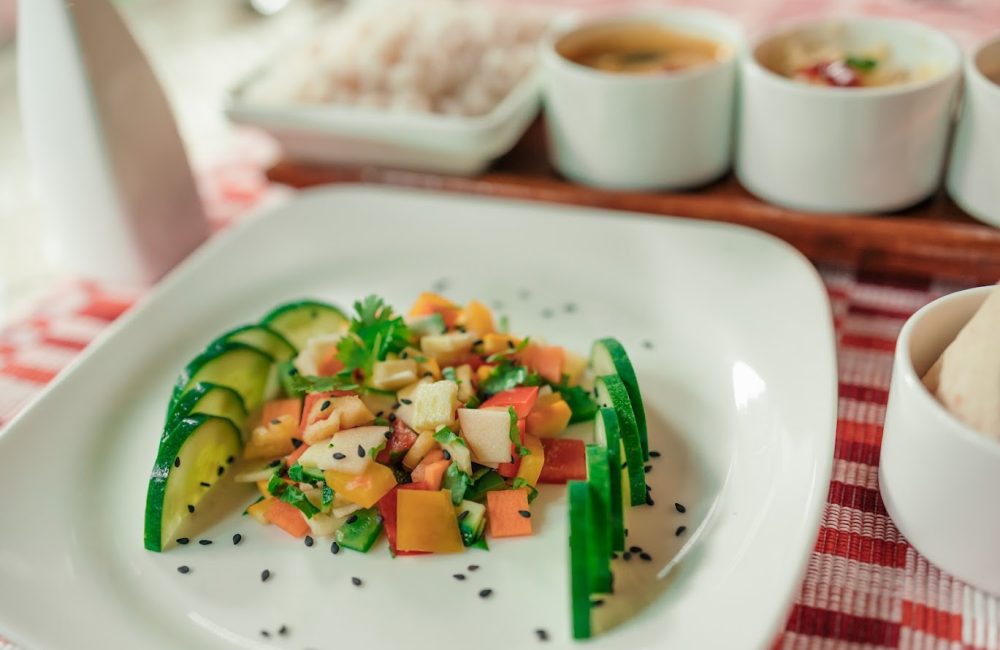
Warm rice gruel, moong dal soup, soft cooked rice, and lightly cooked vegetables are commonly recommended because they are easy to digest and gentle on the stomach.
Warm water and mild herbal infusions are also preferred over chilled drinks.
The idea isn’t to eat less.
It’s to eat in a way that allows digestion to regain its natural rhythm.
Don’t Rush Back to Your Normal Diet
Many people assume that once they feel better, they can eat normally again.
Ayurveda takes a different view.
Food is reintroduced gradually over several days. As digestion becomes stronger, meals become more nourishing. Freshly cooked rice, lentils, vegetables, and small amounts of ghee are often added step by step.
There is no fixed timetable because recovery looks different for everyone.
What Should You Avoid?
For a short time, it’s best to give your digestive system a break from foods that require more effort to process.
That usually means avoiding:
- fried foods
- packaged snacks
- very spicy meals
- refrigerated foods
- alcohol
Choosing simple, freshly prepared meals helps the body adjust after cleansing.
Recovery Isn’t Just About Food
Ayurveda sees healing as more than diet.
The body also benefits from rest.
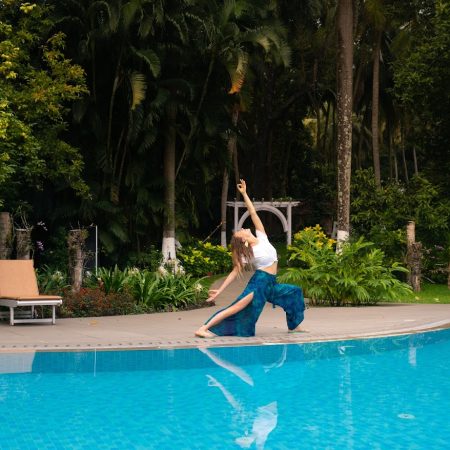
A few quiet days, regular sleep, gentle walks, light stretching, meditation, or simple breathing exercises can all support recovery. This is generally not the best time for intense workouts, late nights, or a demanding schedule.
Giving yourself permission to slow down is part of the healing process.
Why Recovery Is Different for Everyone
Not everyone follows the same recovery plan.
Your constitution, digestive strength, age, and the nature of your Panchakarma programme all influence what your physician may recommend.
This is why Ayurveda avoids one-size-fits-all advice. Recovery is personalised, just as the treatment itself is personalised.
How Kairali Supports the Recovery Journey
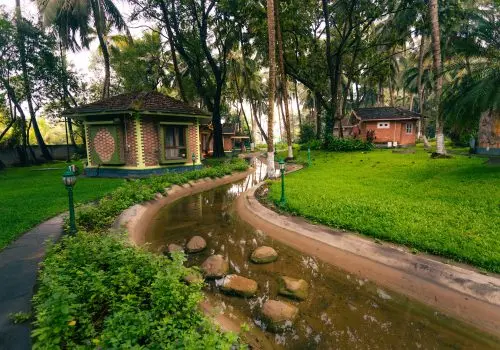
At Kairali – The Ayurvedic Healing Village, recovery begins the moment the therapy ends.
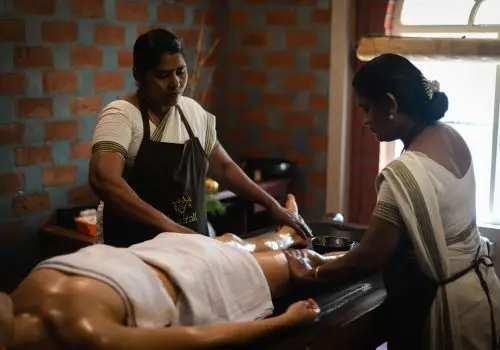
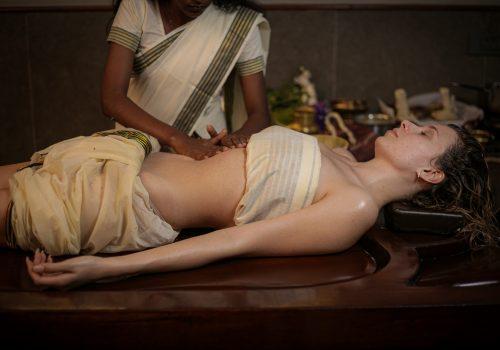
After Virechana, Ayurvedic physicians guide guests through their post-treatment diet, daily routine, and lifestyle so that the body can recover at its own pace. Every recommendation is tailored to the individual rather than following a standard plan.
This personalised follow-up is considered an essential part of Panchakarma, helping guests continue their healing journey even after they leave the treatment room.
The Real Purpose of Recovery
Virechana is not simply about cleansing.
It is about creating the right conditions for the body to restore balance.
The days that follow are an opportunity to protect what the therapy has achieved. By eating simply, resting well, and following personalised guidance, you give your body the time it needs to heal naturally.
In Ayurveda, recovery isn’t an afterthought.
It’s part of the treatment.
Website: www.ktahv.com
Call: +91-9555156156
FAQ
After Virechana, Ayurveda recommends following a light and gradual recovery diet known as Samsarjana Krama. Easily digestible foods such as rice gruel, khichdi, steamed vegetables, and warm fluids are commonly advised to help restore digestive strength gently.
Virechana is a cleansing therapy that temporarily makes digestion more sensitive. Following the correct post-treatment diet helps rebuild digestive fire (Agni), supports nutrient absorption, prevents toxin accumulation (Ama), and enhances the long-term benefits of detoxification.
Ayurveda generally advises:
Adequate rest
Early sleep routines
Stress reduction
Gentle movement like yoga or walking
Avoiding excessive travel or physical exertion
Maintaining calm and balance after detox is considered essential for recovery and healing.
After treatment, it is usually recommended to avoid:
Fried and processed foods
Alcohol and smoking
Heavy dairy or junk food
Excess caffeine
Late-night eating
Intense exercise
These may disturb digestion and reduce the effectiveness of the therapy.
At Kairali – The Ayurvedic Healing Village, post-Virechana recovery plans are personalized according to the guest’s dosha balance, digestive strength, and treatment response. Guests receive guided dietary plans, lifestyle recommendations, therapies, and physician support to ensure safe healing and sustainable wellness after detoxification.