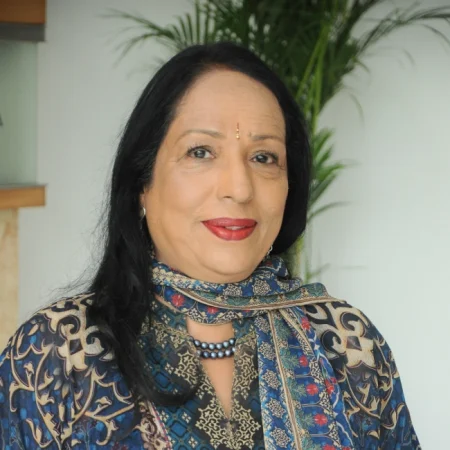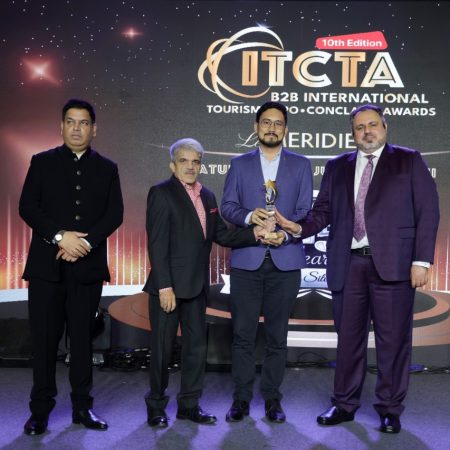





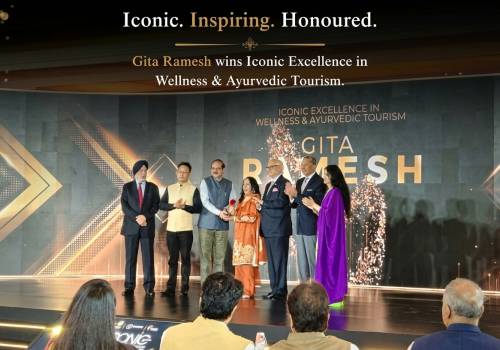








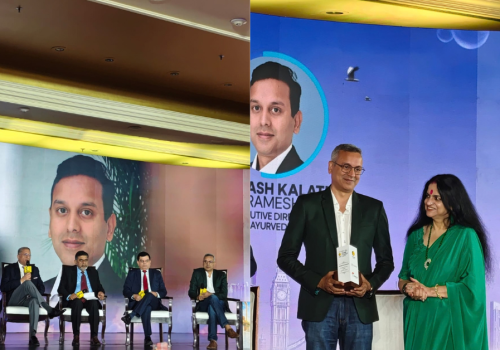




In 2010, Gita Ramesh, Co-founder and Joint Managing Director of Kairali Ayurvedic Group, received the Safari India National Tourism Award. She received the honour in the Best Woman Entrepreneur for Promoting Wellness category.
The award marked an important moment for both Gita Ramesh and Kairali. It also highlighted the growing interest in wellness tourism across India.
About the Award
According to Kairali’s historical records, Safari India is a tourism magazine that covers India, Nepal, Sri Lanka, Bangladesh, and Southeast Asia.
The Pacific Area Travel Writers Association (PATWA) organises the Safari India National Tourism Awards. Every year, the awards celebrate people and organisations that support tourism, hospitality, travel, and wellness.
A Vision That Started in 1989
Gita Ramesh co-founded Kairali Ayurvedic Group with K.V. Ramesh in 1989.
Together, they worked to make Ayurveda more accessible through organised wellness services. One of their first projects was an Ayurvedic wellness centre in New Delhi.
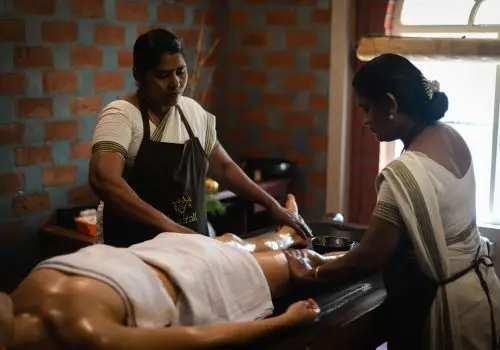
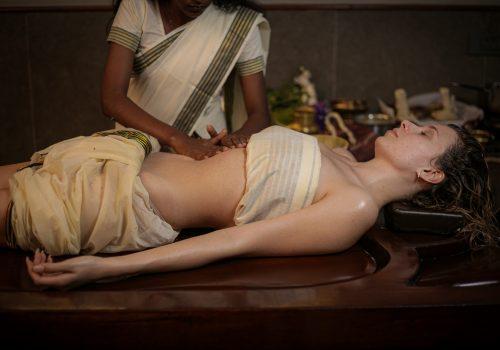
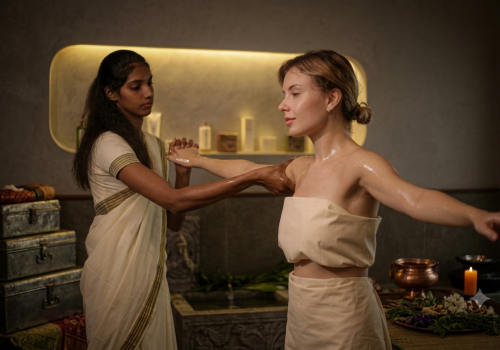
At the time, dedicated Ayurvedic wellness centres were still limited. Kairali chose a different path by building programmes around qualified Ayurvedic physicians and traditional therapies.
Taking Ayurveda to More People
Over the years, Gita Ramesh helped expand awareness of Ayurveda beyond the treatment room.
She wrote the book Ayurvedic Herbal Massages. She also spoke at wellness conferences in India and abroad. Through these efforts, she introduced more people to Ayurvedic principles and healthy living.
Her work has always focused on making Ayurveda easier to understand without moving away from its traditional roots.
A Lasting Milestone
The Safari India National Tourism Award remains an important part of Gita Ramesh’s journey.
It reflects her work in wellness tourism and her commitment to promoting Ayurveda through education, hospitality, and physician-led wellness programmes.
Today, Kairali continues to build on the same values. Personalised care, qualified practitioners, and classical Ayurvedic principles remain at the centre of its approach.